Daijiworld Media Network – Tehran
Tehran, Apr 25: Iran has endured a nationwide internet blackout for 57 consecutive days, marking one of the longest digital shutdowns recorded globally, internet monitoring group NetBlocks said.
In a report released on Saturday, NetBlocks said the disruption, now exceeding 1,300 hours, has severely affected communication inside the country, disrupting personal connectivity and economic activity while cutting off citizens from the outside world.
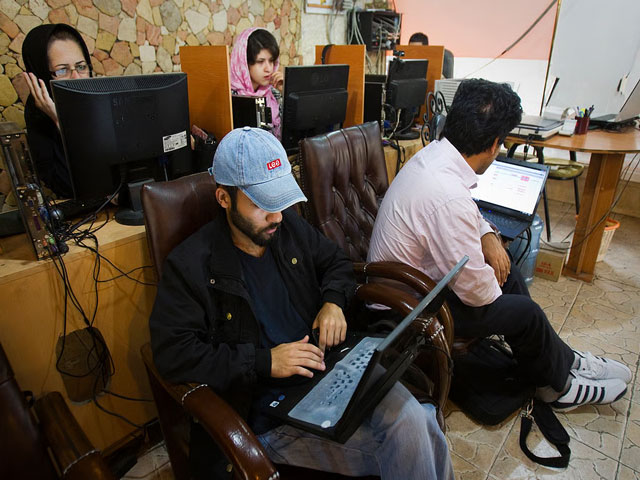
The monitoring group said the prolonged shutdown has “stifled the voices of Iranians” and left families disconnected during a period of heightened regional tensions.
The blackout was imposed following reported US and Israeli strikes on Tehran on February 28, and has since continued on an unprecedented scale compared to earlier state-imposed internet restrictions in the country.
The latest outage follows a separate communications shutdown in January, which human rights observers had linked to efforts to restrict visibility into internal unrest and government crackdowns.
Amid the digital isolation, Iranian Foreign Minister Abbas Araghchi has been engaged in regional diplomatic outreach. During a recent visit to Pakistan, he met Pakistan Army Chief Field Marshal Asim Munir as tensions between Tehran and Washington remain unresolved.
The visit took place under tight security in Islamabad, where major roads were sealed and the high-security Red Zone was placed under strict control.
Pakistan Deputy Prime Minister Ishaq Dar said he hoped the talks would contribute to regional stability and peace.
The diplomatic activity comes as US officials, including envoys Steve Witkoff and Jared Kushner, prepare for possible regional discussions involving Iran, though Tehran has publicly ruled out direct negotiations with Washington for now.
White House Press Secretary Karoline Leavitt said the US remained hopeful of productive dialogue, while Vice President JD Vance acknowledged previous intensive negotiations had failed to produce a breakthrough.
At the centre of the standoff remain disputes over Iran’s nuclear programme, security in the Strait of Hormuz, and wider regional conflicts involving Israel and Lebanon.
The tensions have also coincided with increased US pressure, including fresh sanctions targeting Iranian oil-linked entities and an expanded naval presence in the region.
Iran, in turn, has reportedly imposed restrictions on maritime traffic in the Strait of Hormuz, adding to concerns over global energy markets.
With diplomatic channels strained and communications within Iran still heavily restricted, there remains no clarity on when formal negotiations between Tehran and Washington may resume.