Daijiworld Media Network - Tehran
Tehran, Apr 24: Iran’s Supreme Leader Mojtaba Khamenei is alive and mentally alert but operating from hiding with limited public visibility, according to a report by The New York Times.
Citing senior Iranian officials, the report said Khamenei sustained severe injuries and has undergone multiple surgeries, including procedures on his leg and hand. He is also reported to have suffered significant facial burns, affecting his ability to speak, and may require further medical treatment.
Despite his condition, officials said he remains engaged in governance. However, he has avoided public appearances or speeches since assuming leadership following the death of his father, Ali Khamenei, reportedly killed in recent US-Israeli strikes.
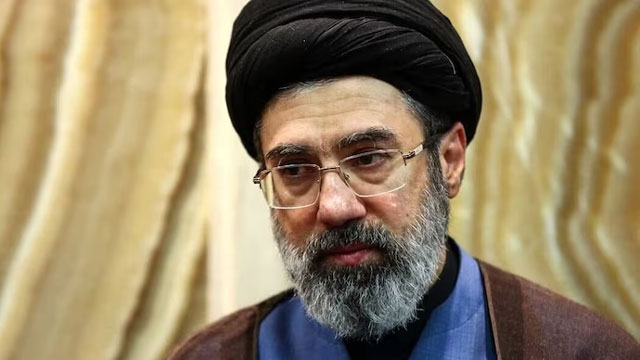
According to the report, communication with Khamenei has become highly restricted, with messages being handwritten and relayed through secure channels to undisclosed locations. Senior officials are said to be avoiding direct contact due to security concerns.
The report indicated a significant shift in Iran’s power structure, with commanders from the Islamic Revolutionary Guard Corps taking a dominant role in decision-making related to war, diplomacy and national security.
Analysts noted that while Khamenei continues to formally approve key decisions, much of the initiative now lies with military leadership. Experts said this marks a departure from the earlier highly centralised system.
The growing influence of military commanders has also sidelined civilian leadership, including President Masoud Pezeshkian and Foreign Minister Abbas Araghchi, who are now largely focused on domestic governance.
The shift has impacted diplomatic efforts as well. A proposed round of talks with the United States reportedly collapsed after military leaders opposed negotiations amid ongoing tensions and a US naval blockade.
Despite claims by US President Donald Trump suggesting possible regime change, the report said Iran’s political system remains intact, though undergoing a transformation in how power is exercised.
The situation reflects an evolving leadership structure, where authority has shifted from a single dominant figure to a more collective, security-driven framework amid ongoing regional conflict.