Daijiworld Media Network – New Delhi
New Delhi, Apr 16: In a significant development in the Delhi excise policy case, Arvind Kejriwal on Thursday urged the Delhi High Court to take on record an additional affidavit alleging a “direct conflict of interest” against the presiding judge, even as the court made it clear that the matter would not be reopened.
Appearing virtually before a bench of Justice Swarna Kanta Sharma, Kejriwal informed the court that he had submitted fresh material through an additional affidavit and sought its inclusion in the record. The court permitted the registry to accept the affidavit but clarified that the case, already reserved for judgment on April 13, would not be reopened.
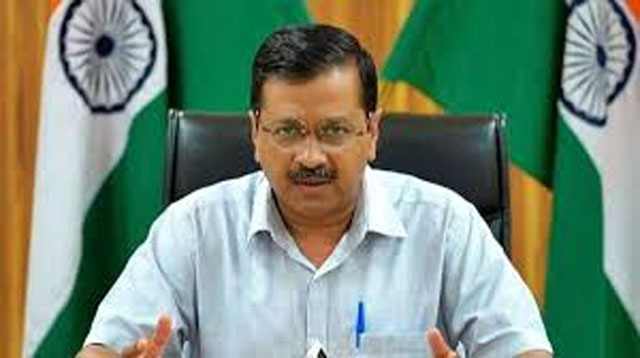
In the affidavit dated April 14, Kejriwal alleged that the judge’s children are empanelled as central government lawyers and receive assignments through the Solicitor General, who is representing the Central Bureau of Investigation (CBI) in the case. He contended that this constituted a “direct conflict of interest” and heightened his concerns regarding judicial neutrality.
The affidavit further cited data purportedly obtained through RTI, claiming that a substantial number of cases had been assigned to the judge’s son in recent years. Kejriwal argued that these developments emerged after filing his initial recusal plea and sought additional time for submissions, stating that continuing before the same bench could raise questions over judicial independence.
Representing the prosecution, Tushar Mehta did not object to the affidavit being taken on record but indicated that the CBI would file its response. He opposed the recusal request, terming the allegations as “apprehensions of an immature mind” and cautioned that allowing such pleas could set a “bad precedent.”
Earlier, Kejriwal had cited prior rulings by the same judge, including denial of relief in his arrest challenge and rejection of bail pleas of co-accused such as Manish Sisodia and K Kavitha, as grounds for seeking recusal.
The case traces back to a trial court order dated February 27, which discharged Kejriwal, Sisodia, and others, observing that the CBI’s case could not withstand judicial scrutiny.
With the affidavit now on record and no further hearings scheduled, attention has shifted to the court’s awaited verdict.