Daijiworld Media Network - Srinagar
Srinagar, Feb 28: Growing reports of Israeli airstrikes on Iranian sites have sparked deep anxiety across Kashmir, with families increasingly worried about the safety of students, doctors, and other Indian nationals still in Iran.
Earlier this week, former Jammu and Kashmir chief minister Farooq Abdullah and incumbent chief minister Omar Abdullah had urged Kashmiri students in Iran to heed the advisory issued by India’s Ministry of External Affairs and leave the country while commercial flights were operational and airspace remained accessible.
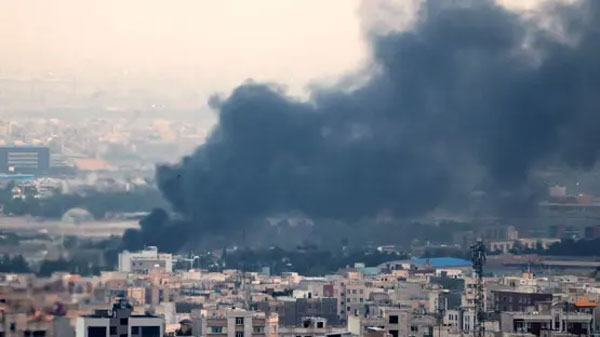
While several students managed to return during that window, local sources indicate that many remain stranded. Besides students, a considerable number of Indian doctors and professionals working in Iran are also reportedly awaiting clarity on evacuation options.
Dr. Mohammad Momin Khan, national representative and pradesh president of the All India Medical Students Association (AIMSA), has stressed the importance of close coordination among Iranian authorities, university administrations, and the Indian Embassy in Tehran. He has called for the issuance of unambiguous advisories, the activation of dedicated emergency helplines, and preparedness for a comprehensive contingency and evacuation strategy should the security situation deteriorate further.
In its formal appeal, AIMSA urged external affairs minister S. Jaishankar to take swift and proactive steps to ensure the safety of all Indian citizens in the region. The association underscored that safeguarding Indian nationals and students must remain the government’s highest priority, alongside consistent monitoring of developments and timely communication to prevent panic among families.
Meanwhile, across the Kashmir Valley, people from different sects have strongly condemned the Israeli strikes on Iran, calling for an immediate halt to hostilities. The Valley, along with the Kargil region of Ladakh, has a significant Shia Muslim population that shares religious and cultural ties with Iran.
Authorities in the region are closely monitoring public sentiment, aiming to ensure that expressions of concern remain peaceful and that no disruptive elements exploit the sensitive situation.