Daijiworld Media Network - New Delhi
New Delhi, Feb 4: The Supreme Court on Wednesday sought a response from the Election Commission of India (ECI) on a petition filed by West Bengal Chief Minister Mamata Banerjee, challenging the ongoing Special Intensive Revision (SIR) of electoral rolls in the state ahead of upcoming elections. The top court scheduled the next hearing for Monday.
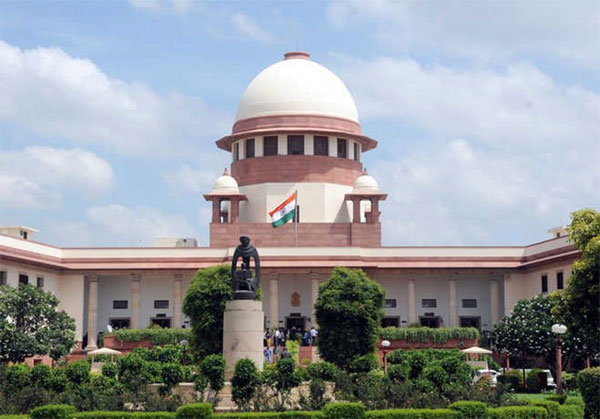
A bench headed by Chief Justice of India Surya Kant, along with Justices Joymalya Bagchi and Vipul M. Pancholi, issued the notice after hearing the plea, which alleges that the SIR process is causing large-scale disenfranchisement of genuine voters. Banerjee requested urgent interim orders preventing the deletion of voter names, particularly those listed under the “logical discrepancy” category, while the matter is under judicial review.
Senior advocate Shyam Divan, representing Banerjee, argued that the SIR exercise is being rushed, with only 11 days remaining before the final publication of the electoral rolls on February 14 and just four days left to address objections. He claimed that nearly 32 lakh voters remain “unmapped” and over 1.36 crore have been flagged for logical discrepancies. Divan highlighted that approximately 70 lakh notices have been issued for minor spelling differences, a common occurrence when Bengali names are transliterated into English. He also noted that essential documents such as domicile certificates, Aadhaar, and OBC certificates are not being accepted, leaving citizens to wait in long queues without clear explanations for the discrepancies.
The bench observed that minor spelling variations due to local dialects are a nationwide phenomenon and cannot justify excluding genuine voters. During the hearing, Banerjee was allowed to address the court directly, emphasizing that the SIR process is creating fear and discrimination, particularly affecting women who change surnames after marriage and people who have moved residences. She alleged that West Bengal is being selectively targeted, pointing out that similar revisions are not being carried out in northeastern states such as Assam. Banerjee also raised concerns about the health and well-being of more than 100 Booth Level Officers (BLOs) who have fallen ill or died due to the stress of the process.
Senior advocate Rakesh Dwivedi, representing the ECI, explained that micro-observers were appointed because the West Bengal government failed to provide sufficient Class-B officers as Electoral Registration Officers (EROs) despite repeated requests. The bench suggested that if the state provides a list of available officers, the role of micro-observers could be reconsidered. The court also indicated that the ECI should review complaints regarding minor spelling mismatches and avoid issuing notices for trivial errors.
The Supreme Court assured that a practical solution would be found to protect the rights of genuine voters while the broader challenge to the SIR process continues separately. The ECI has been directed to file its response by Monday, the next date of hearing.