Daijiworld Media Network - Dhaka
Dhaka, Jan 29: Bangladesh’s ousted Prime Minister Sheikh Hasina has criticised the country’s upcoming election, warning that the February 12 polls could trigger prolonged instability after her party, the Awami League, was barred from contesting.
Speaking from exile in India, Hasina told The Associated Press in an email last week that Bangladesh urgently needs “inclusive, free and fair elections,” and claimed the interim government led by Nobel Peace Prize laureate Muhammad Yunus has deliberately disenfranchised millions of Awami League supporters by excluding the party from the vote.
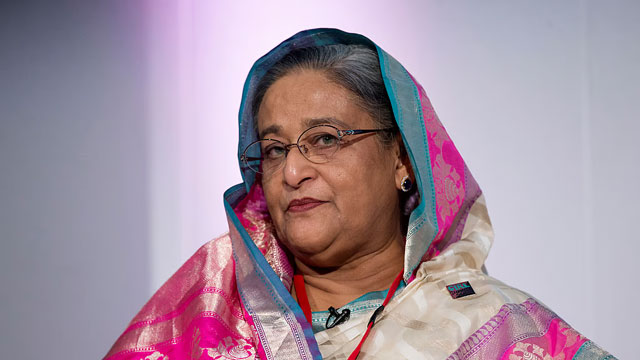
“Each time political participation is denied to a significant portion of the population, it deepens resentment, delegitimizes institutions and creates the conditions for future instability,” Hasina said, adding that “a government born of exclusion cannot unite a divided nation.”
Bangladesh, where more than 127 million people are eligible to vote, is heading into what is being seen as the most consequential election in decades — the first since Hasina fled to India on August 5, 2024, following weeks of unrest and a mass uprising that ended her 15-year rule.
Yunus assumed charge three days later and has pledged to ensure a free and fair election. However, concerns have been raised by critics and rights groups over the inclusivity of the process, security arrangements, and uncertainty surrounding a proposed constitutional referendum on sweeping political reforms.
Yunus’ office said security forces will ensure an orderly election and prevent coercion or violence. The administration has also invited international observers and human rights organisations to monitor the polls. The Election Commission has stated that around 500 foreign observers, including representatives from the European Union and the Commonwealth, are expected to be present.
Since Hasina’s removal, Bangladesh has faced mounting political and security challenges, with allegations of rights violations and growing fears over the rising influence of Islamist groups. Minority organisations have raised concerns over attacks, particularly against Hindus, while media freedom has also come under the spotlight, with journalists facing criminal cases and reports of attacks on major newspaper offices.
The Bangladesh Nationalist Party (BNP), led by Tarique Rahman, has emerged as a key contender in the election. Rahman, son of former Prime Minister Khaleda Zia, returned to Bangladesh in December after more than 17 years in exile and has promised stability for the nation of 170 million people. His main challenge is expected from a coalition of 11 groups led by the Islamist Jamaat-e-Islami.
Hasina, who was sentenced to death in absentia over her government’s crackdown on the 2024 student uprising, dismissed the trial as a “kangaroo court,” while international rights groups have expressed concern over the fairness of proceedings.
Calling for an end to the cycle of bans and boycotts in Bangladesh politics, Hasina said the country needs a “legitimate government” that rules “with the genuine consent of the people,” which she described as the only way for the nation to heal and move forward.