Daijiworld Media Network - Mumbai
Mumbai, Jan 28: A plant-based diet focuses mainly on foods derived from plants — not only fruits and vegetables, but also nuts, seeds, legumes, whole grains and healthy oils. Experts note that it does not always mean giving up meat or dairy completely, but rather choosing more plant-based foods regularly.
Recent research suggests that plant-based and plant-forward eating patterns may offer several health benefits, including reduced risk of heart disease, certain cancers, and chronic kidney disease.
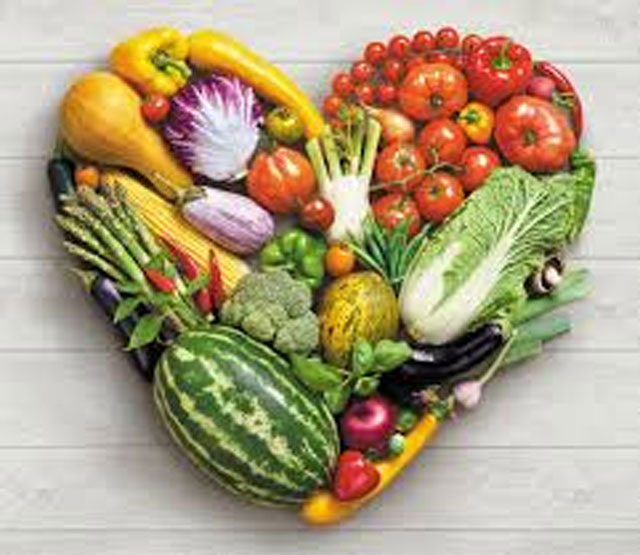
A 2024 review found that following a vegetarian or vegan diet may help reduce the risk of ischemic heart disease, prostate cancer and gastrointestinal cancers. The review also suggested improvements in key cardiometabolic risk factors such as high cholesterol, blood sugar levels, body weight, BMI and inflammation.
The researchers analysed 48 studies spanning 23 years and observed a strong association between vegetarian or vegan diets and improved cardiometabolic outcomes. However, they also noted limitations due to variations in diet types, demographics and study duration.
Some experts cautioned that strict vegan and vegetarian diets may lead to nutrient deficiencies, including essential fatty acids like EPA and DHA, Vitamin B12, Vitamin D and iodine. Registered dietitian Faith Krisht suggested that a flexitarian approach — which focuses mainly on plant foods while occasionally including animal proteins — may be a more balanced option for many people.
A 2025 study found that the Portfolio diet may help lower the risk of cardiovascular disease, including heart disease and stroke. Researchers reported that moderate adherence to the diet could reduce the risk of death from cardiovascular disease by 12% and coronary heart disease by 14%, while overall mortality also dropped by 12%.
The study noted that the benefits increased with stronger adherence. Those who followed the diet most closely saw cardiovascular death risk reduced by 16%, coronary heart disease death risk lowered by 18%, and overall mortality reduced by 14%.
The Portfolio diet is based on replacing foods in a person’s diet with a “portfolio” of cholesterol-lowering ingredients, including soy and plant proteins, plant sterols, tree nuts and soluble fibre. Cardiovascular dietitian Erin Sheenan said the combined effect of these foods makes the diet particularly effective in lowering LDL (“bad”) cholesterol.
A study published in the Canadian Medical Association Journal (CMAJ) found that adherence to the EAT-Lancet planetary health diet was linked to a reduced risk of chronic kidney disease (CKD). CKD affects around 10% of the global population and is expected to become the fifth leading cause of death worldwide by 2040.
The study used data from the UK Biobank, involving over 179,000 participants aged 40 to 69, followed for a median period of 12 years. During the follow-up, 2.7% developed CKD. Researchers found that higher adherence to the EAT-Lancet diet was significantly associated with a lower risk of developing the condition.
Diet experts said the findings are consistent with known benefits of nuts, vegetables and legumes, which provide fibre, antioxidants and plant compounds that reduce inflammation and oxidative stress, easing strain on the kidneys over time.
The EAT-Lancet diet differs from other plant-based diets by balancing human health and environmental sustainability. It encourages fruits, vegetables and legumes, allows small amounts of meat and dairy, and limits added fats and sugars.
Preventive dietitian Michelle Routhenstein said a plant-forward, minimally processed diet supports healthy blood pressure, cholesterol and blood sugar — important since hypertension and diabetes are major causes of kidney damage.
Experts say plant-based and plant-forward diets can support better long-term health when planned well, offering benefits for the heart, metabolism and kidney function. However, balanced nutrition is important, especially for those following strict vegetarian or vegan diets, to avoid deficiencies in key nutrients.