Media Release
Mangaluru, Jan 27: A team of researchers from Yenepoya (Deemed to be) University (Mangaluru), Madras Diabetes Research Foundation (Chennai), and Emory University (Atlanta, USA) have detected a way to detect diabetes among Indians by taking a high-resolution photo of the retina (back of the eye).
The retina is the only place in the entire body where doctors can see live blood vessels without any surgery or invasive tools, by clicking a photograph. The scientists have used artificial intelligence (AI) techniques to look at the feature of the blood vessels and found that in the veins in the eyes show considerable changes in people with diabetes. This research study has been published in Diabetes Technology and Therapeutics journal on Jan 23. This study shows that AI can spot tiny warning signs in the eye’s blood vessels that are invisible to the human eye that can differentiate people with and without diabetes without a finger prick blood test.
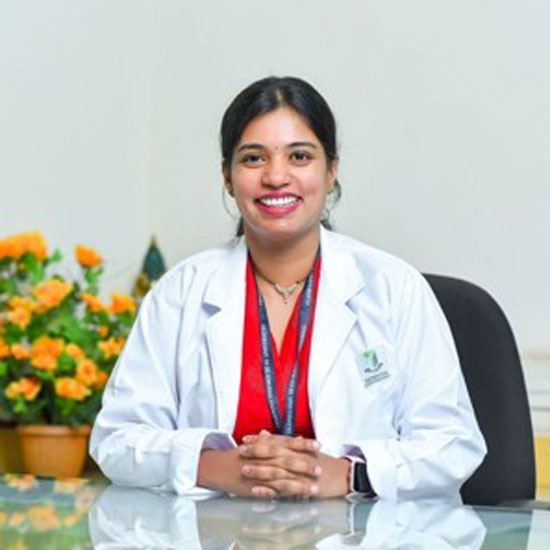
"Think of the eye as a window that looks into the rest of your body," says lead author, Dr Soujanya Kaup, associate professor of Ophthalmology at Yenepoya (Deemed to be) University and adjunct associate professor of Global Health at Emory University, Atlanta. "By using AI to read the tiny clues in this window, we can tell if someone has diabetes after a quick retinal photo,".
Dr Sudeshna Sil Kar, co-lead author from Emory University explains the computer's role: "We trained the AI to look at specific shapes and patterns in the veins using retinal photos of people without and with diabetes". "It is like a digital detective that is 95% accurate at identifying diabetes just by looking at one picture".
"The study has utilised routine retinal images already captured during standard eye examinations. We noticed that there are subtle changes in the eye blood vessels that start, even before diabetes develops”, notes Dr R Rajalakshmi, senior author, who is the head of Medical Retina and ocular research at Dr Mohan’ s Diabetes Specialities Centre and Madras Diabetes Research Foundation.

Dr Anant Madabhushi, co-senior author on the study and director of the Emory Empathetic AI for Health Institute, says this technology is built for everyone: "This does not require expensive laboratory equipment". "No blood draws, no fasting, just a quick photo of the back of the eye and the use of the AI".
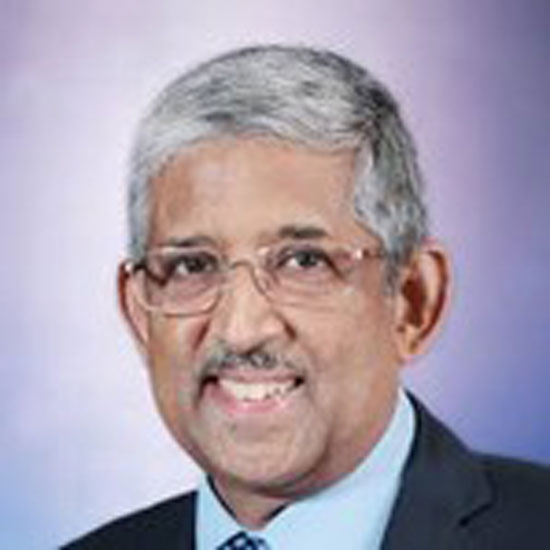
Dr V Mohan, chairman of Dr Mohan’ s Diabetes Specialities Centre and a senior diabetes expert in India, explains why this matters: "India has over 100 million people with diabetes, and very often, many do not even know, they have it. If use of AI tools with simple retinal photos can help early diagnosis of diabetes, it can be used real-time in future, to screen for diabetes. We have to validate these research findings in a larger population"

Dr K M Venkat Narayan, executive director of the Emory Global Diabetes Research Center, remarked: "This study adds to the foundation for leveraging AI and the eye as an early window to systemic disorders".
Simple facts about the study.
• High accuracy: The AI was precise in correctly identifying diabetes using retinal photographs in the test group with 95% sensitivity.
• Early warning: The system could even spot ‘prediabetes’, which is the stage where life style modification can help prevent diabetes
• Non-Invasive mode of detecting diabetes early.