Daijiworld Media Network – New Delhi
New Delhi, Jan 18: More than a week after an elderly couple from Greater Kailash was allegedly duped of Rs 14.85 cr in a prolonged “digital arrest” cyber fraud, Delhi Police have arrested three men from Gujarat and Uttar Pradesh for moving a substantial portion of the defrauded money through mule accounts.
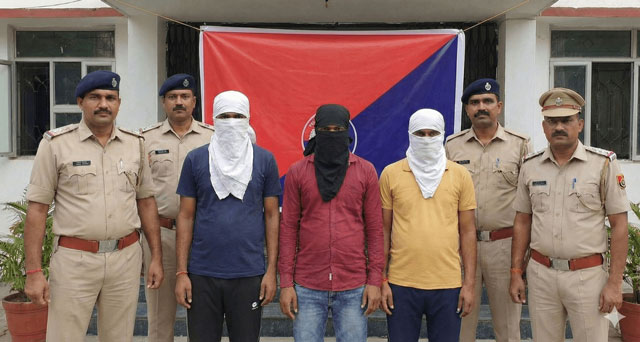
The accused have been identified as Divyang Patel (23) and Krutik Sitoli (22) from Vadodara, arrested on Friday, and K S Tiwari, who was nabbed from Prayagraj following raids conducted over the past two days, senior police officials said.
The victims, Om Taneja (81) and Indira Taneja (77), residents of GK-2, were allegedly cheated of Rs 14.85 crore between December 24, 2025 and January 9. The scammers posed as officials of the Telecom Regulatory Authority of India (TRAI) and falsely claimed that Indira Taneja’s mobile number had surfaced in a money-laundering case in Mumbai. The couple was told to transfer money and share bank details for “verification” by the Reserve Bank of India.
Police said investigations revealed that two of the seven primary accounts that received RTGS transfers from the couple were traced to Gujarat and Uttar Pradesh. One account operated in Patel’s name in Vadodara held nearly Rs 4 crore, which was subsequently transferred to multiple mule accounts with the help of Sitoli, who allegedly acted as a facilitator. His role involved withdrawing cash and routing funds further to other accounts.
Another Rs 2 crore was allegedly transferred to a mule account operated by Tiwari in Prayagraj. Police officials said none of the accounts have so far been linked to other cybercrime cases.
“All three were reportedly roped in by fraudsters through social media groups, which appear to have been operated from Cambodia,” a senior officer said. Investigators now believe that only about Rs 2 crore to Rs 2.5 crore of the defrauded amount may still be within the formal banking system.
The couple had made eight RTGS transfers to the fraudsters, starting with Rs 1.99 crore on December 26, followed by multiple high-value transactions till January 9. Further investigations are underway to trace the remaining money and identify the main operators behind the scam.