Media Release
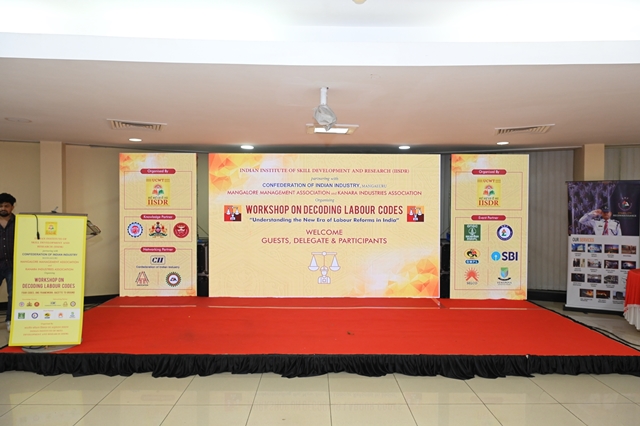
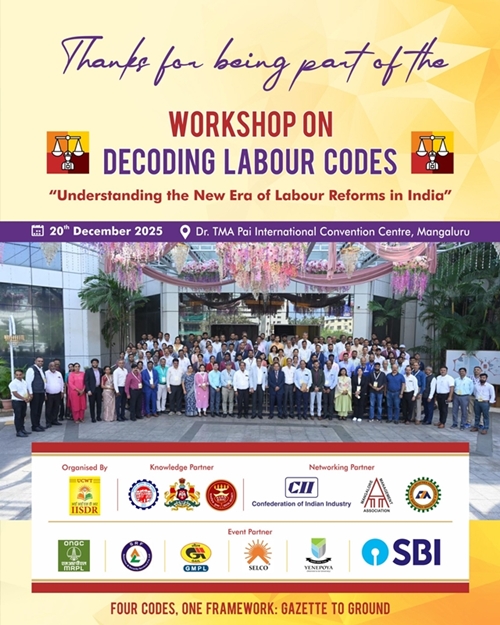
Mangaluru, Dec 21: The Indian Institute of Skill Development and Research (IISDR), in collaboration with Confederation of Indian Industry (CII) Mangaluru, Mangalore Management Association (MMA), and Kanara Industries Association (KIA), successfully organised a one-day workshop titled “Decoding Labour Codes – Understanding the New Era of Labour Reforms in India” at the Dr TMA Pai International Convention Centre, Mangaluru on December 20. The workshop brought together policymakers, industry leaders, labour administrators, HR professionals, academicians, and students to deliberate on India’s evolving labour regulatory framework.
Inaugurating the workshop, Krishna Hegde M., group general manager (HR), MRPL, Mangaluru, and chief guest of the programme, highlighted that India is witnessing one of the most significant transformations in its labour regulatory landscape since Independence, with the consolidation of 29 central labour laws into four comprehensive Labour Codes. He observed that these reforms go beyond legal restructuring and represent a fundamental shift in how work, workers, compliance, and industrial relations are perceived in a rapidly changing economic environment. While the intent of the reforms lies in simplicity, transparency, uniformity, and ease of compliance, he emphasised that the real challenge lies in effective interpretation and implementation at the ground level, particularly for industry leaders and HR professionals.
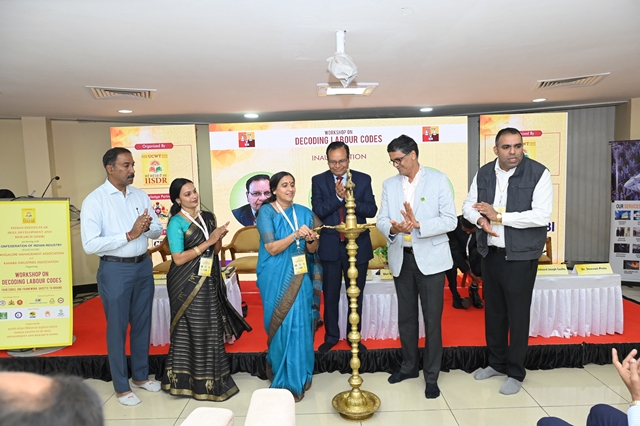
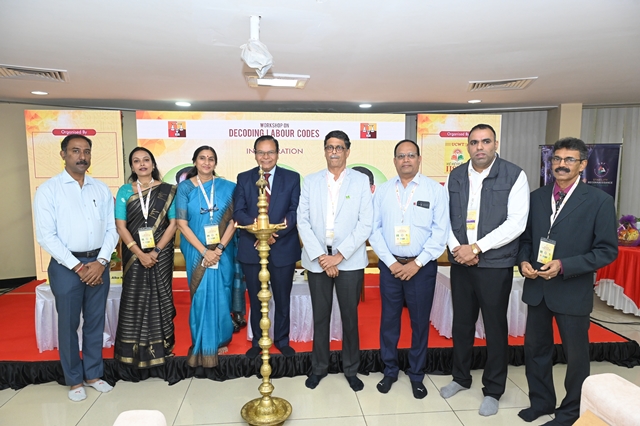
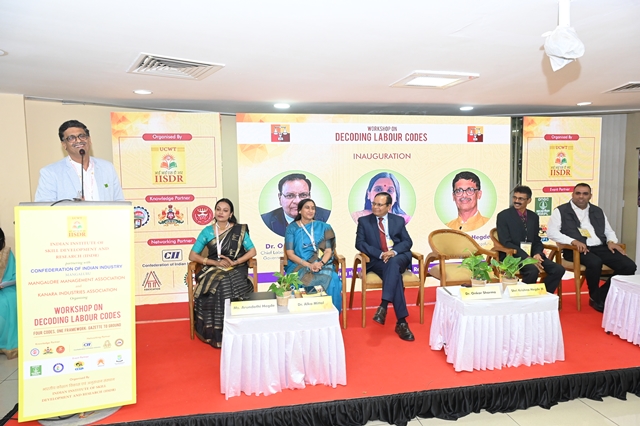
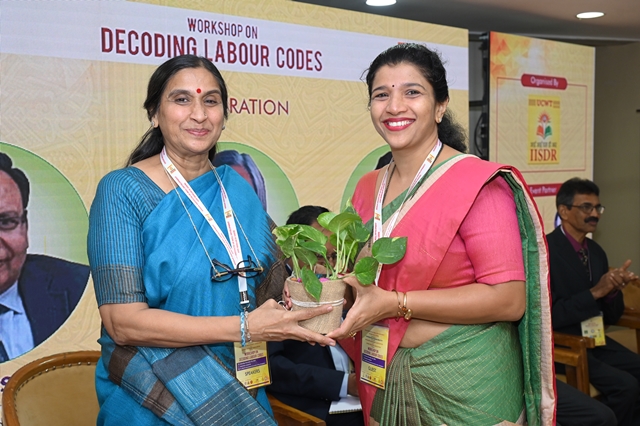
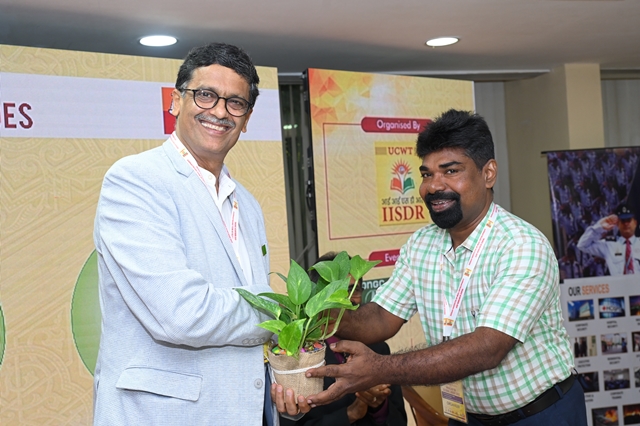
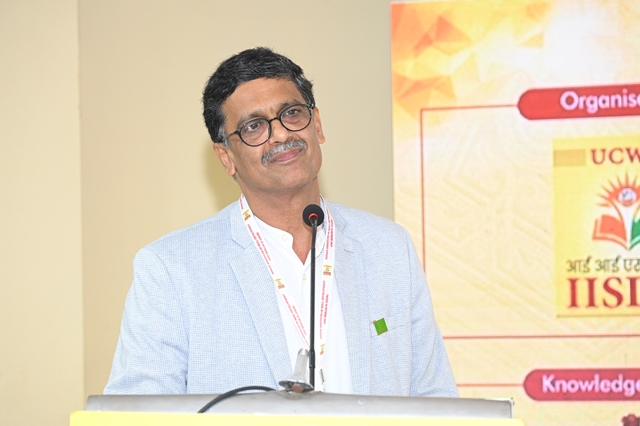
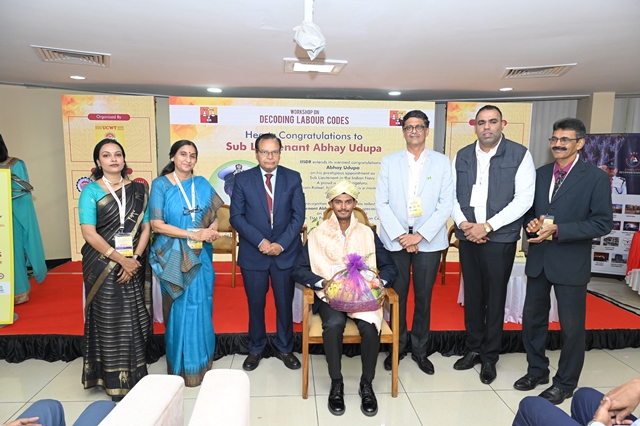
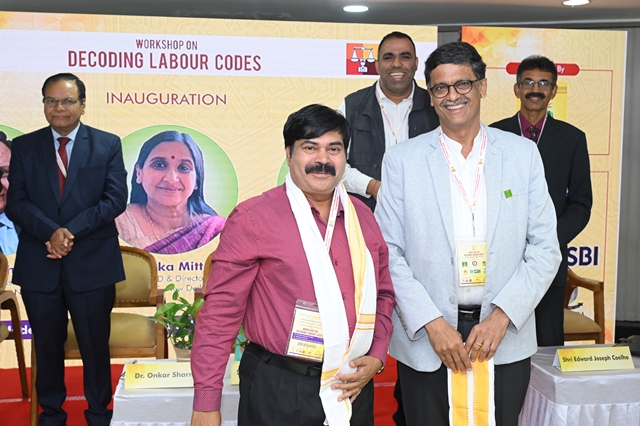
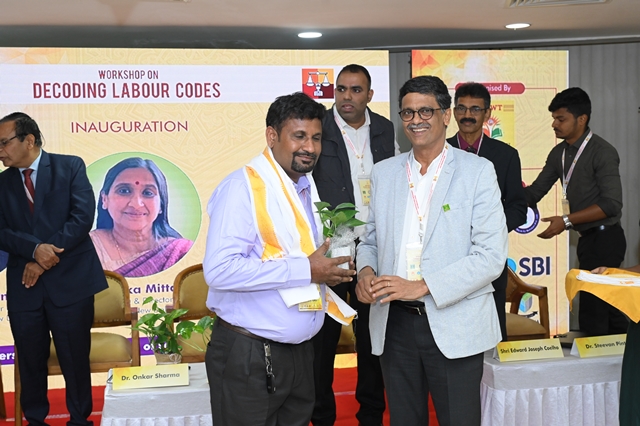
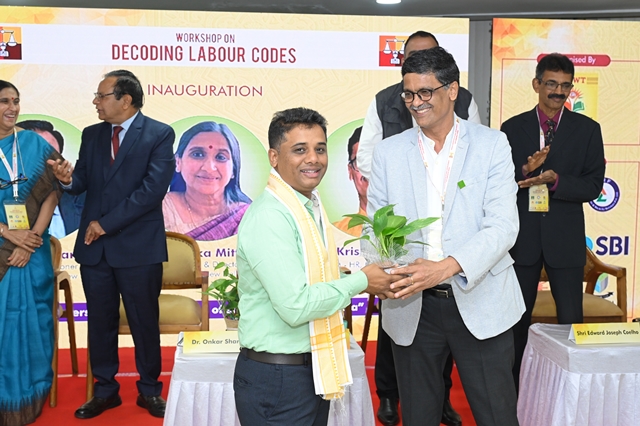
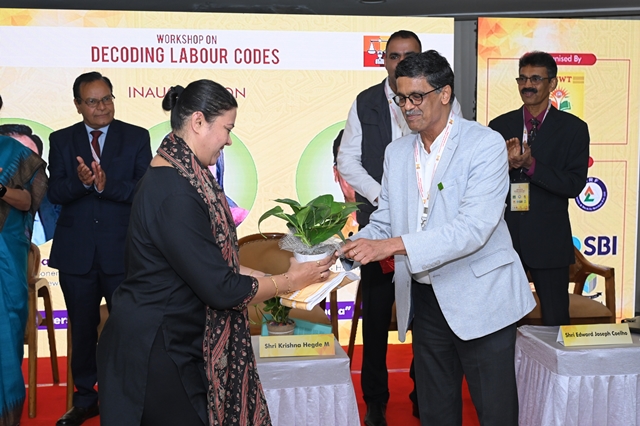
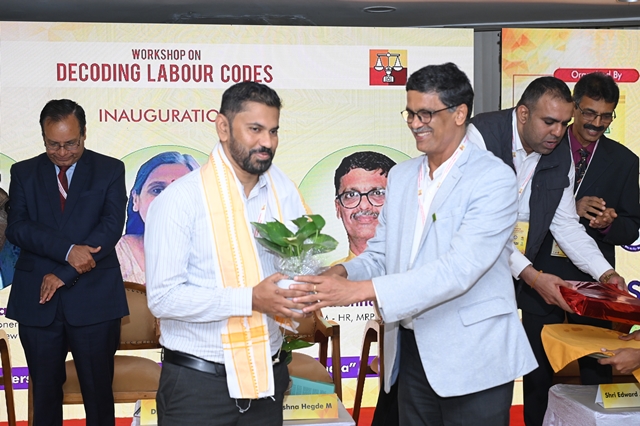
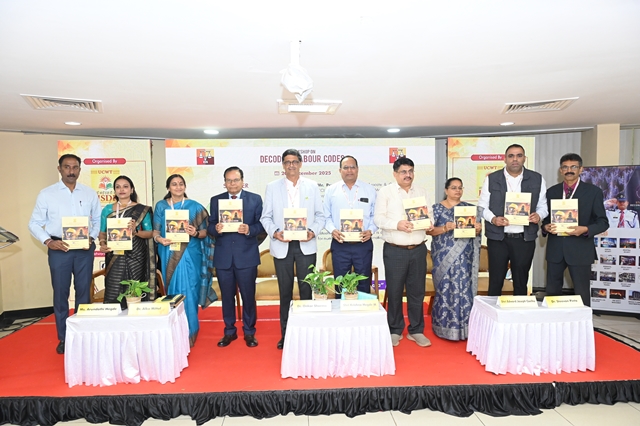
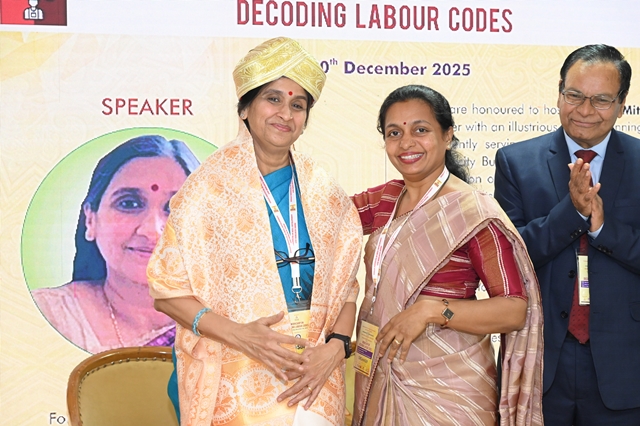
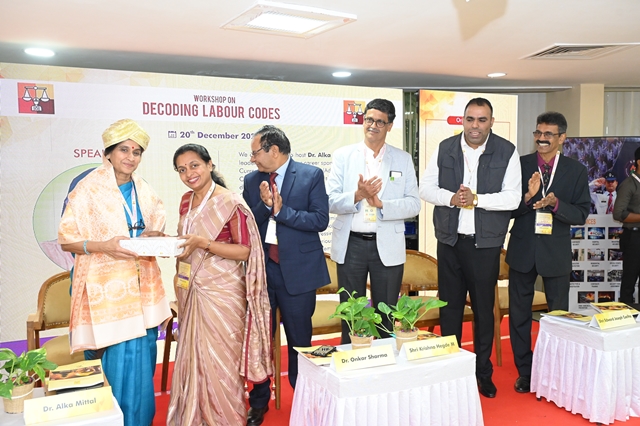
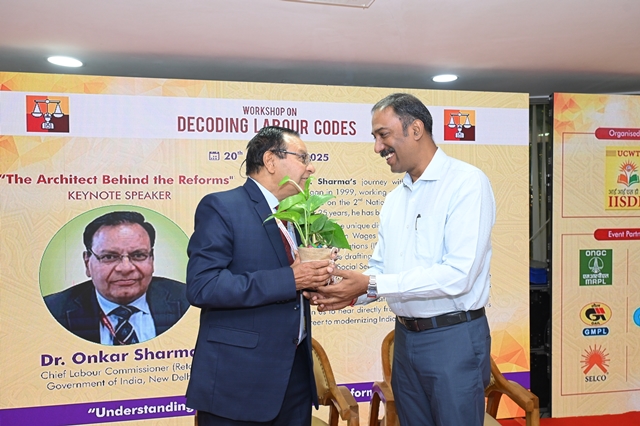
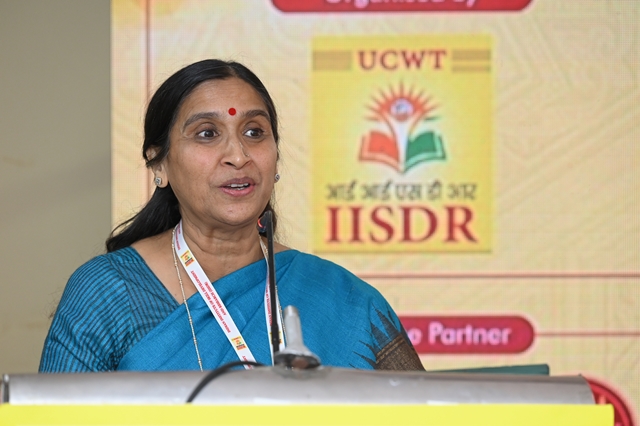
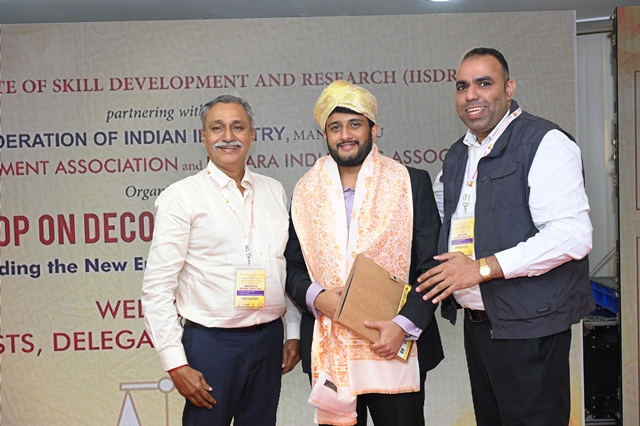
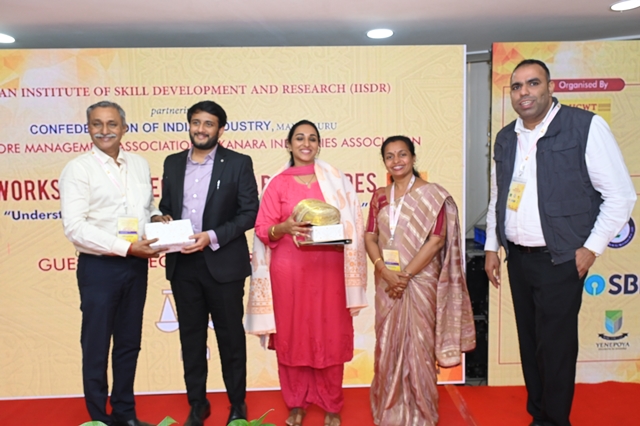
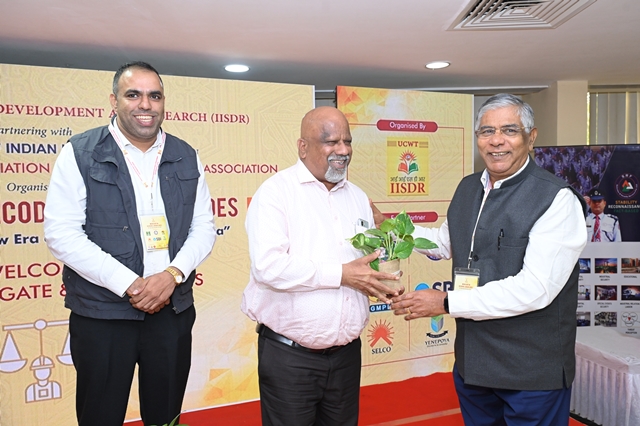
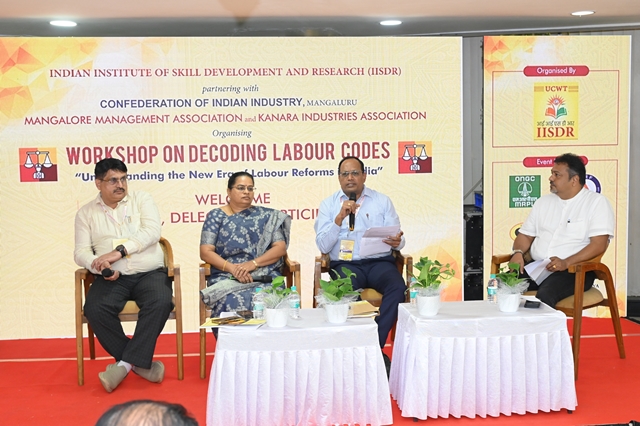
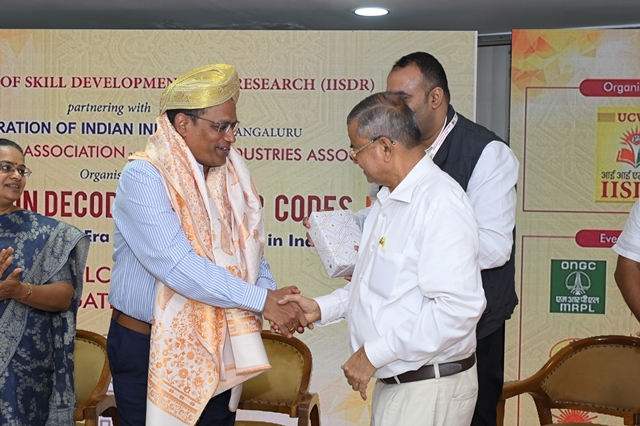
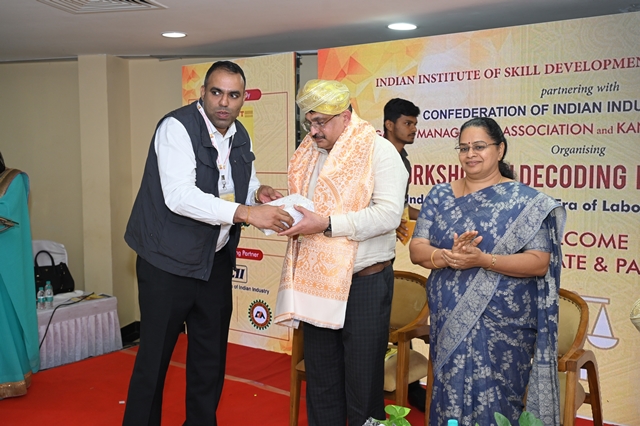
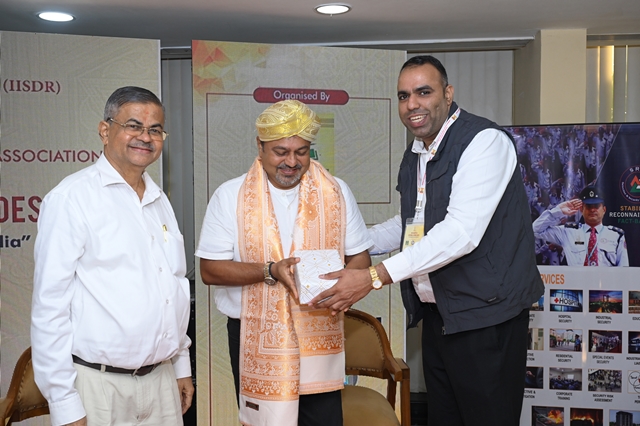
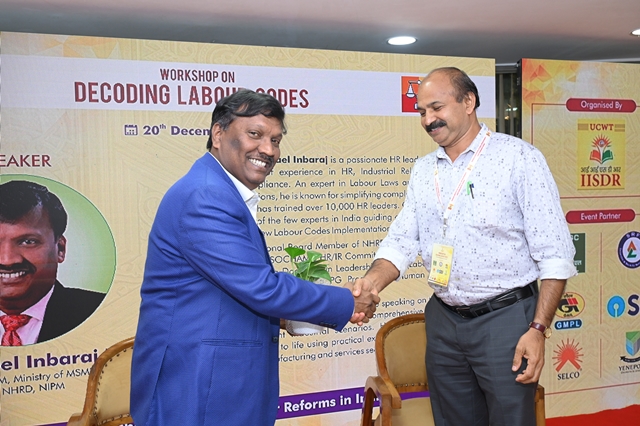
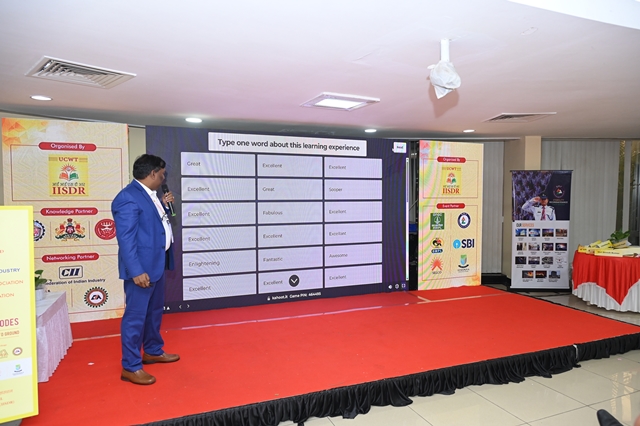
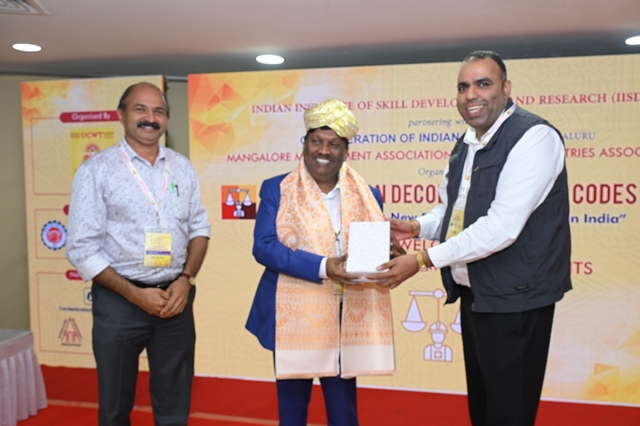
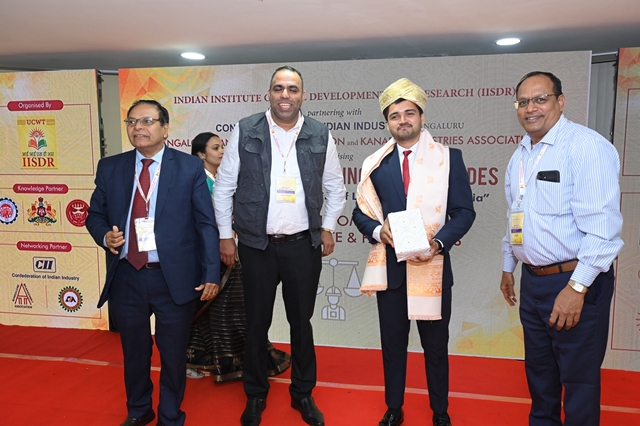
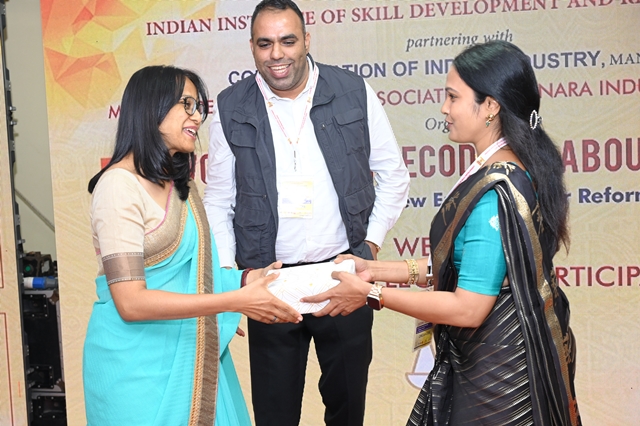
Stressing the relevance of the workshop, Hegde noted that platforms such as this play a crucial role in bridging the gap between policy and practice by offering practical, actionable insights from experienced experts, administrators, and academicians. He underlined that the success of labour reforms depends on collaboration among government, industry, and professional institutions, and commended IISDR and its partner organisations—CII Mangaluru, Mangalore Management Association, and Kanara Industries Association—for their initiative in capacity building. Encouraging participants to actively engage and share experiences, he formally declared the workshop inaugurated and expressed hope that it would contribute to building informed, compliant, and progressive workplaces.
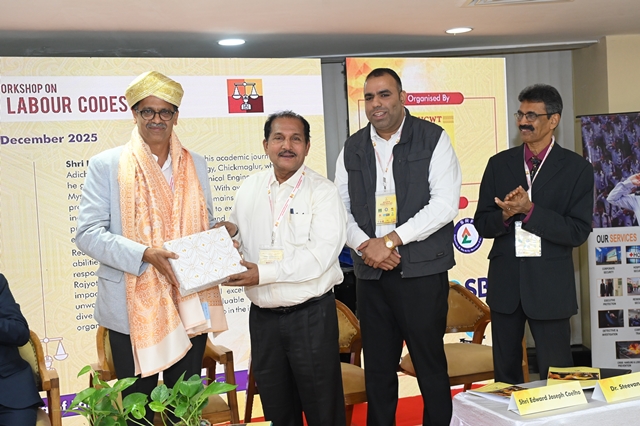
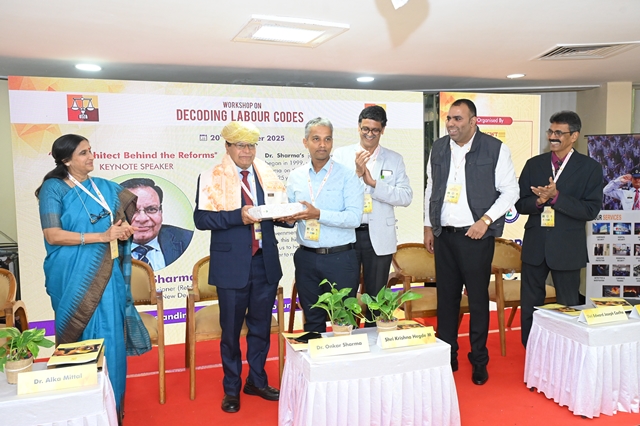
Delivering the keynote address, Dr Onkar Sharma, chief labour commissioner (Retd.), Government of India, New Delhi, elaborated on the philosophy and practical significance of the new Labour Codes. He explained that the rationalisation and codification of 29 central labour laws into four comprehensive codes was necessary to remove overlap, ambiguity, and confusion, thereby bringing clarity, simplicity, and uniformity to labour legislation. Emphasising that simplification does not dilute worker protection, he noted that the new framework enhances ease of compliance for employers while safeguarding workers’ rights. Drawing parallels with Indian thought, he observed that streamlined laws promote societal balance, much like the principle of sama vidhi and the moral clarity advocated in Shukra Niti.
Dr. Sharma further highlighted the shift in compliance culture under the new codes, where labour inspectors are envisioned as facilitators rather than punitive enforcers, reflecting dharma as a protective force balancing rights and responsibilities. He underscored the growing emphasis on e-governance and modern compliance mechanisms, including online systems and auto-generated licences and registrations, which make regulatory adherence more transparent and efficient. Stressing the importance of clear compliance standards, timelines, and reporting protocols, he stated that simplified laws enable enforcement agencies to focus on guidance rather than punishment. Quoting that just as Brahma created the universe, labour creates and sustains machines and infrastructure, he reiterated the need for strong enforcement combined with social responsibility to eliminate child labour and ensure balanced growth with worker welfare.
Another key speaker, Dr Alka Mittal, former CMD and director (HR), ONGC, New Delhi, and an INSPIRE Awardee, spoke on the importance of ethical leadership and strong governance in building people-centric organisations. She emphasised that effective governance frameworks guide employees through clear rules, fairness, and transparency, enabling organisations to function smoothly and sustainably. Highlighting the role of labour laws, she noted that they support organisational stability by preventing exploitation, reducing disputes, and ensuring legal clarity through standardised labour practices. Stressing zero tolerance for discrimination in recruitment, wages, promotions, or training, she underlined the role of trade unions in protecting workers’ rights and promoting collective bargaining.
Dr Mittal also welcomed the shift from Inspector to Inspector-cum-Facilitator under the new Labour Codes, which encourages guidance-based and voluntary compliance. She highlighted the role of digital tools in enabling online registration, inspections, and compliance, and pointed out that stringent penalties serve as effective deterrents against violations. She further stressed the importance of continuous reskilling and upskilling across technical and non-technical fields to prepare the workforce for technological change, advocating a holistic approach that balances worker welfare, employer flexibility, and digital transformation.
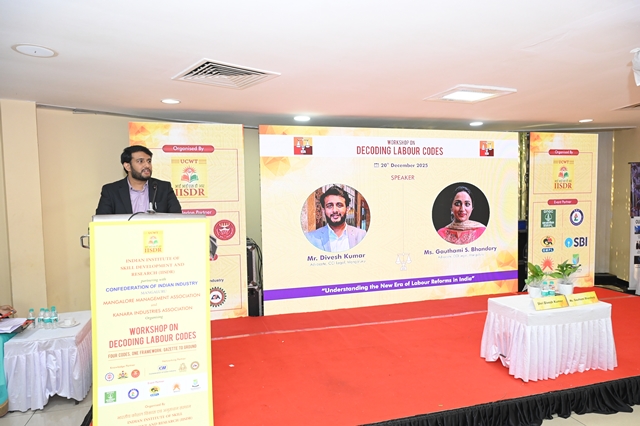
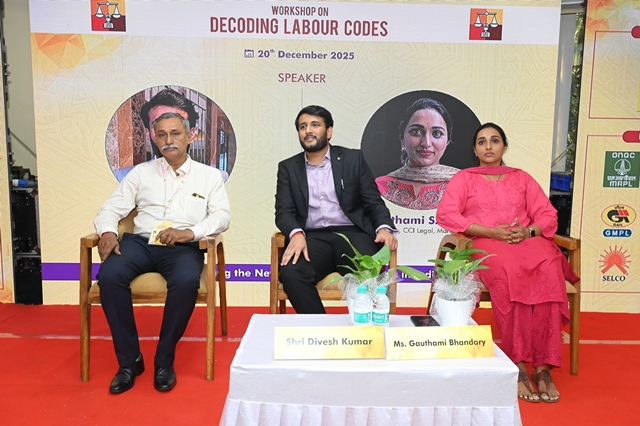
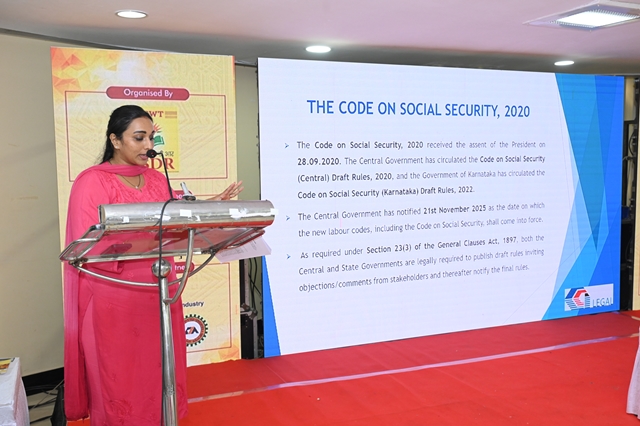
A technical session on an overview of the Labour Codes and a detailed discussion on the Industrial Relations Code, 2020 was led by Divesh Kumar and Gautami Bhandari, advocates and consultants, CCI Legal, Bengaluru/Mangaluru under the guidance of advocate and consultant Prashanth B.K, who provided participants with in-depth insights into legal provisions, compliance requirements, and implementation challenges.
Session three featured a panel discussion on Compliance and Implementation, with senior officials and industry experts including Dr. Rajesh Mishrikoti, deputy director of Factories, Government of Karnataka, Mangaluru; Wilma Tauro and Kumar B.R, Labour Officers, Mangaluru; and Sandeep S P, head – HR, Pratt & Whitney, India Business. The panel shared practical perspectives on enforcement, facilitation, and industry challenges under the new Labour Codes.
The workshop was guided by an eminent advisory panel comprising Dr. Devaraj K., former director, SDM College of Business Management, Mangaluru; M. Shekhar Pujari, past chairman, NIPM Mangaluru Chapter; P A Jose, former general manager (HR & Admin), MRPL, Mangaluru; Dr. Sebastin K. V., dean – Research, School of Social Work, Roshni Nilaya, Mangaluru; Dr Laxmish Rai, management consultant, Mangaluru and Chetan Mendonca, group general manager – HR, Paradeep Phosphates Ltd, Mangaluru.
The programme was organised by Nataraj Hegde, chairman, CII Mangaluru and managing director, SN Cryogenics Pvt. Ltd.; Abhinav Bansal, vice-chairman, CII Mangaluru and managing director, Brighteflexi International Pvt. Ltd.; Edward Joseph Coelho, president, Mangalore Management Association; Dr. Ramya Shetty, secretary, MMA; N Arun Padiyar, president, Kanara Industries Association; and B A Iqbal, secretary, KIA, with IISDR serving as the organising institution under the convenorship of Dr. Steevan Pinto and Arundati Hegde.
The workshop received generous sponsorship support from MRPL, SRF, GMPL, SELCO, State Bank of India (SBI), and Yenepoya Deemed to be University, reflecting strong industry–academia collaboration. Gokuldas Naik, joint director, District Industries Centre, was present on the occasion.
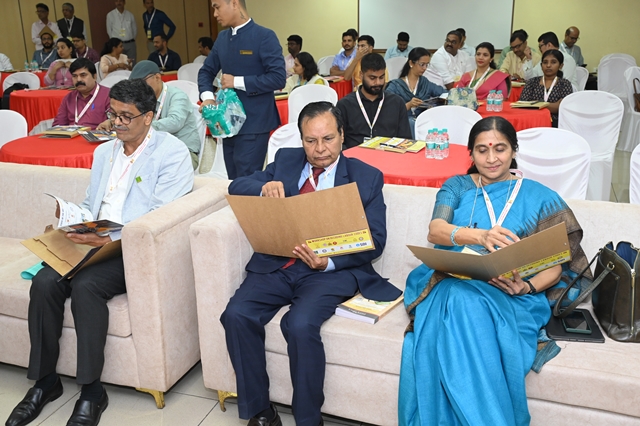
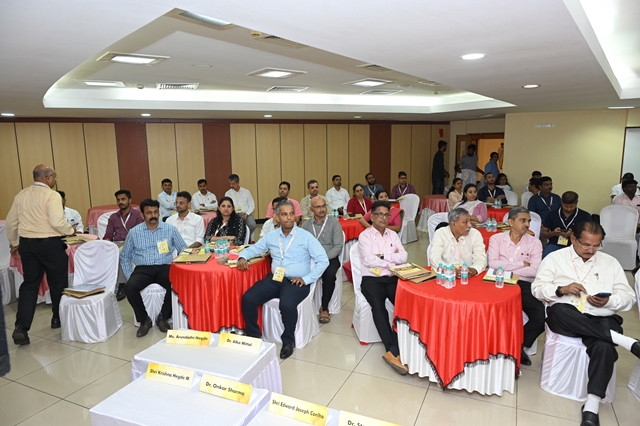
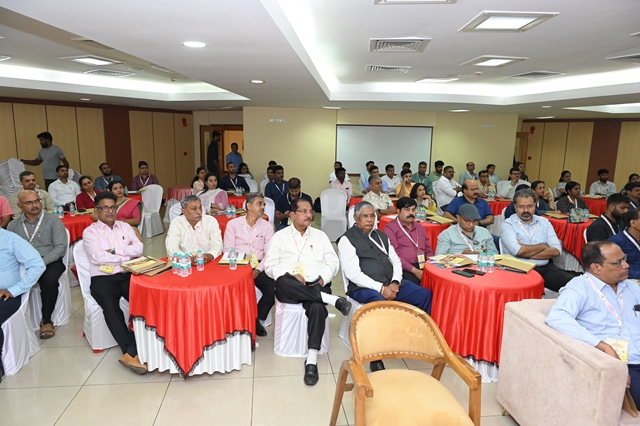
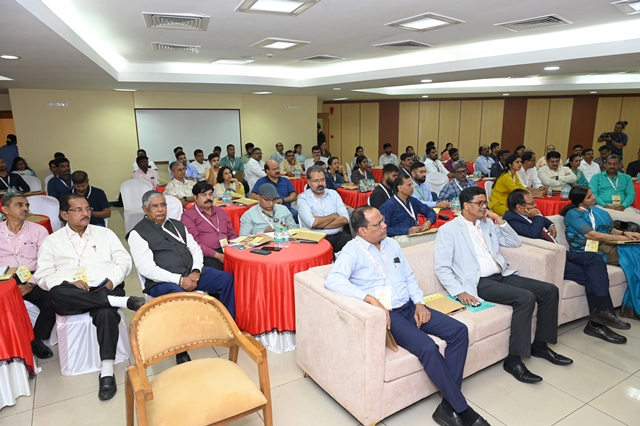
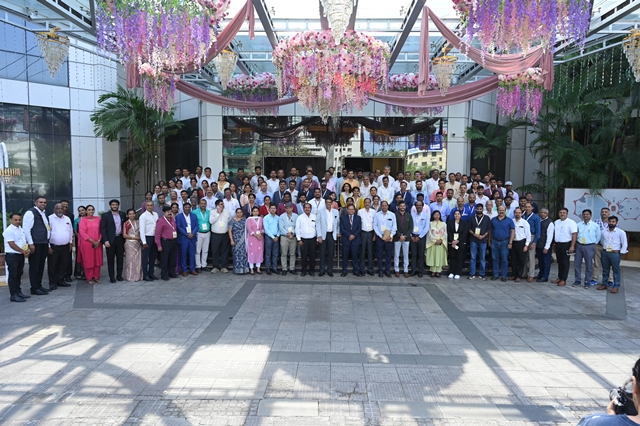
Students from School of Social Work, Roshni Nilaya; SDM College; and MSNM Besant Institute of Management actively participated in the programme. More than 150 delegates attended the workshop, making it a significant platform for dialogue on labour law reforms and compliance.
The workshop commenced with a welcome address and a brief introduction by Dr Steevan Pinto, convenor of the programme. Arundathi Hegde, deputy director – IISDR, proposed the vote of thanks, and the event was smoothly compered by Sharon.