October 30, 2026
An Early Morning Safari at the Blackbuck Sanctuary
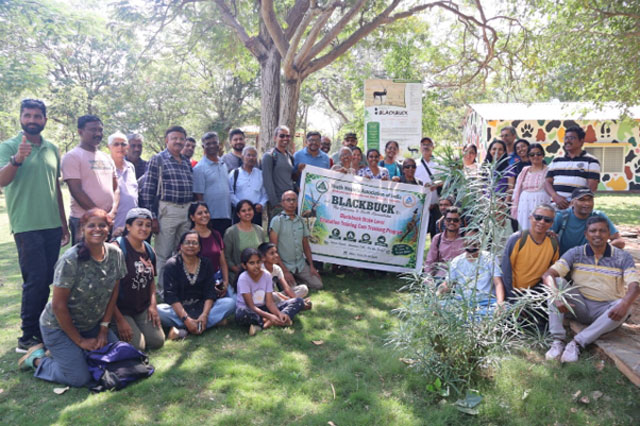
The next morning, we started our journey to the Blackbuck Sanctuary from Sawkar Farm at around 6:30 a.m. The weather was pleasantly chilly, and the fresh morning air made the start of our day refreshing. After reaching the sanctuary, we boarded the safari jeep, accompanied by a forest guide who shared interesting information about the wildlife and the surroundings.
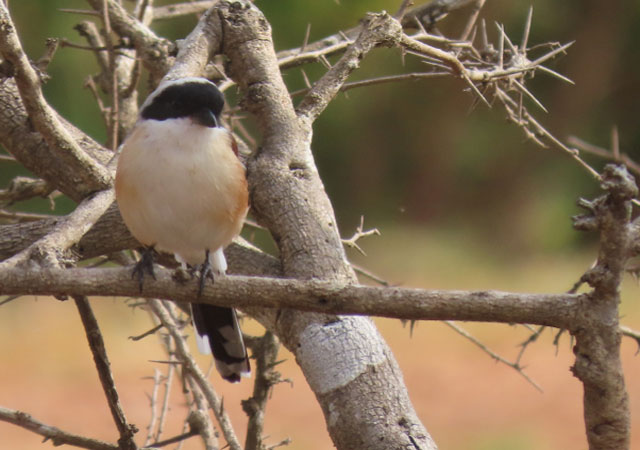
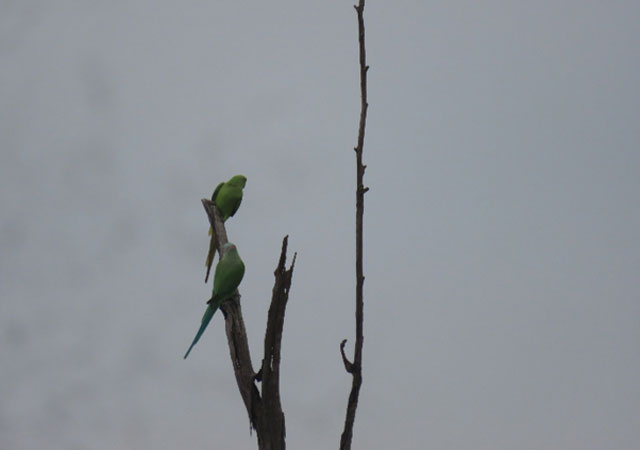
As we moved along the forest trails, we spotted a variety of birds. There were plenty of peacocks, adding colour to the morning landscape. Here and there, we could also see peacock feathers scattered along the route, a small but beautiful reminder of the birdlife around us. The peaceful surroundings, the calls of different birds, and the cool morning breeze made the safari an enjoyable experience.
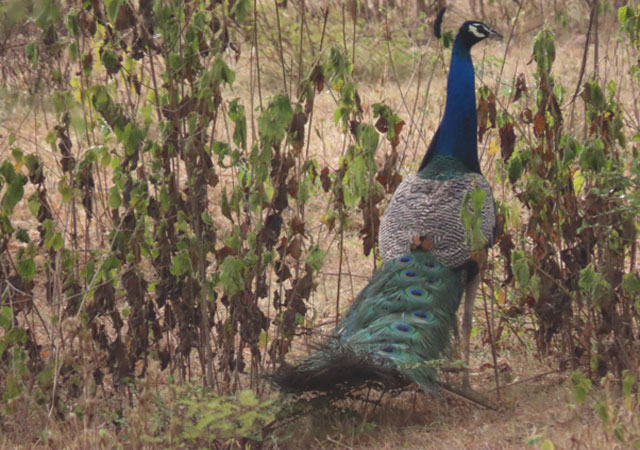
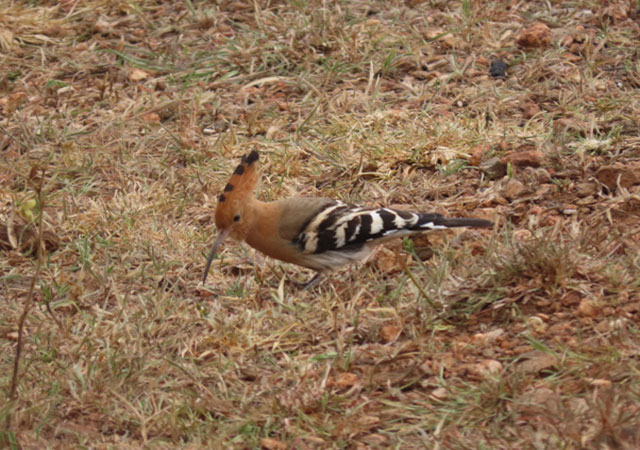
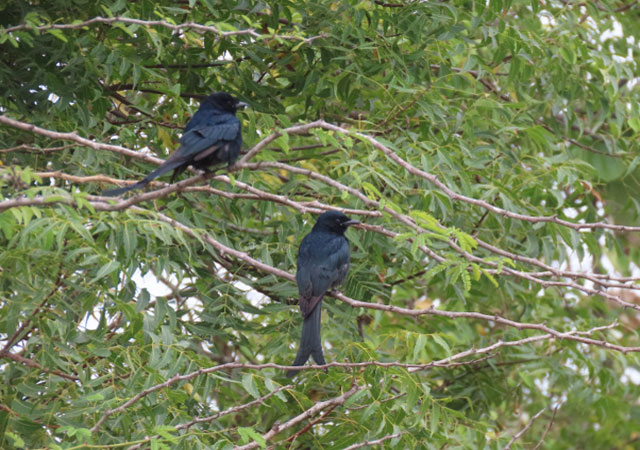
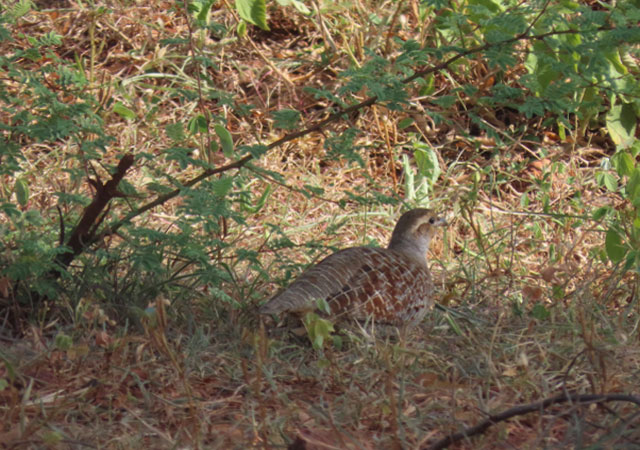
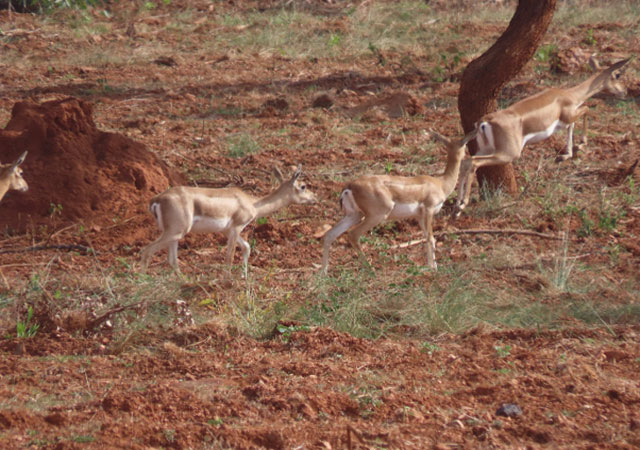
The highlight of the safari was blackbucks known as Krishna mruga in Kannada. We watched them moving around freely, some grazing while others seemed busy chasing one another and playing in the open grassland. Their quick movements and playful behaviour made them fascinating to observe.
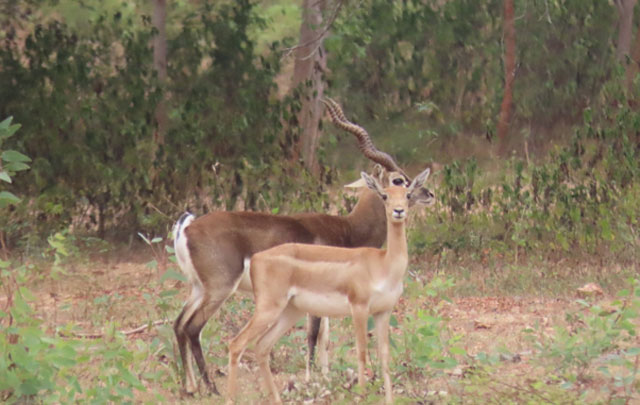
Our guide also explained some interesting aspects of blackbuck behaviour, particularly how male blackbucks establish their territories to attract females. During the breeding season, a male may claim and defend a particular patch of grassland. He marks his territory and keeps a close watch for other males that might try to enter it. When another male approaches, the two may display their strength through posturing, chasing, or even fighting.
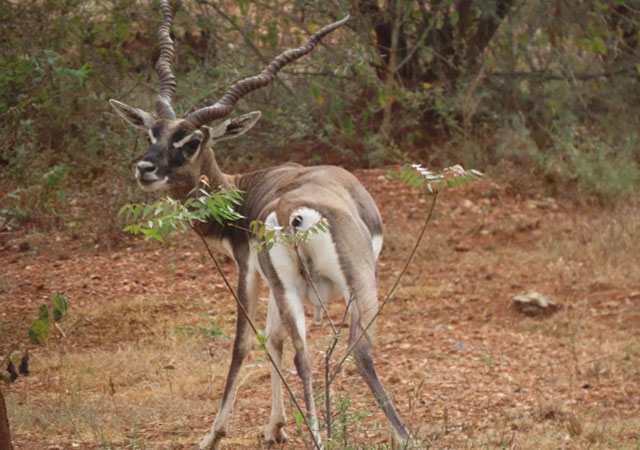
A male blackbuck's appearance itself is quite striking. Mature males usually have a dark brown to black upper body, a white underside, and long, spiralling horns. Females, in contrast, are generally light brown and do not have horns. The contrast between the two makes it relatively easy to distinguish them when observing a herd.
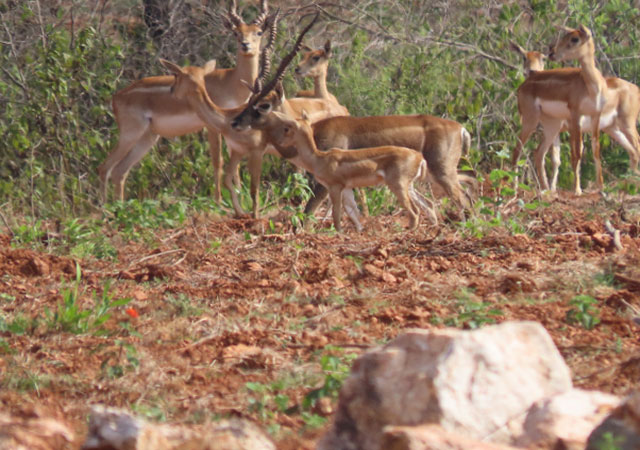
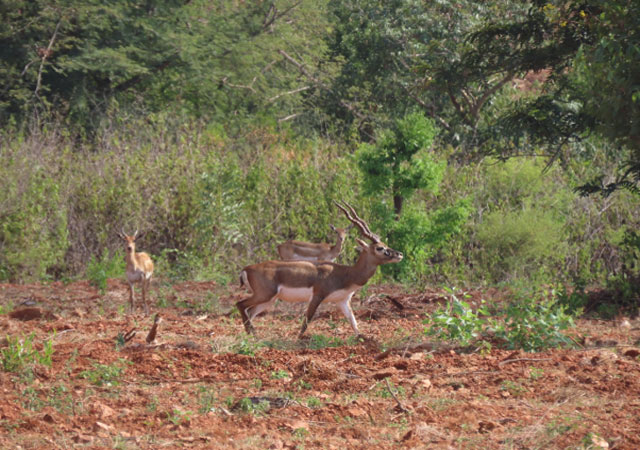
The safari was more than just an opportunity to spot wildlife. It was a chance to appreciate the rich birdlife, the beauty of the grasslands, and the fascinating behaviour of blackbucks in their natural habitat.
Temple visits
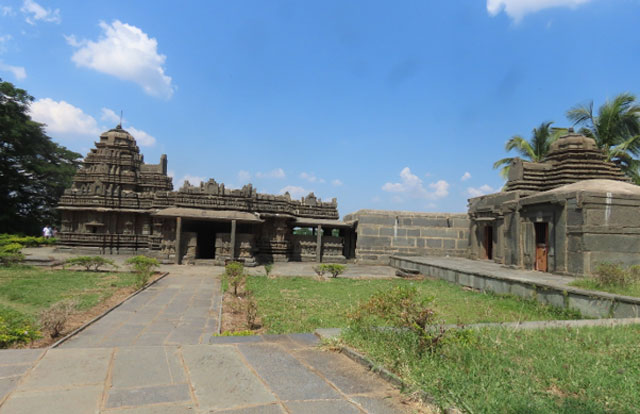
After visiting the sanctuary, we had our breakfast and headed towards our next destination for temple visits. After a journey of around 45 km, we reached a small village named Galaganath, where the Galageshwara Temple, also known as the Galaganatha Temple, is located.
The temple was constructed during the rule of the Chalukyas. Dedicated to Lord Shiva, it is a breathtaking temple known for its sculptures and intricate carvings. Located on the western bank of the Tungabhadra River, the temple reflects the architectural style of the Chalukyan period.
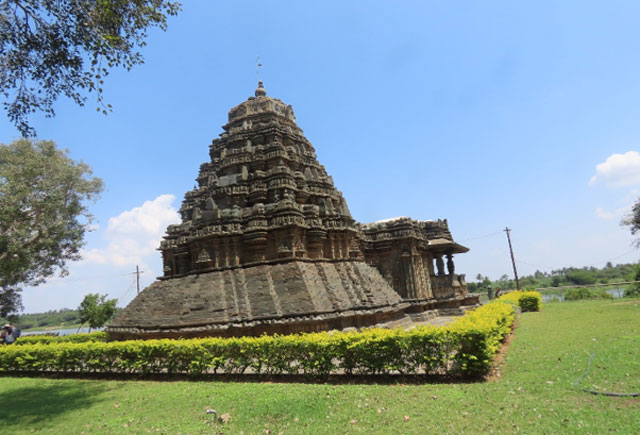
Next, we visited the Mukteshwar Temple at Chaudayyadanapura. It is particularly interesting from an architectural point of view. Dating to around the 11th–12th century, it belongs to the architectural tradition of the Kalyana Chalukyas.
For someone without a background in architecture, the easiest way to appreciate it is simply to look closely at the stonework. The temple is not grand because of its enormous size; its beauty lies in the details — the carved pillars, stone sculptures and the craftsmanship that went into shaping hard stone into something so delicate.
It is remarkable to think that these craftsmen were working nearly a thousand years ago, without the modern tools we take for granted today.
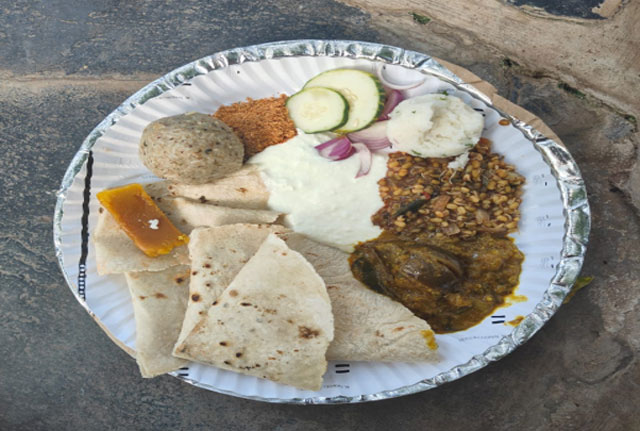
After visiting the Mukteshwar Temple, we sat down for a grand lunch. The menu was extra special, featuring traditional dishes prepared for the Sankranti festival. It was a wonderful opportunity to enjoy the local cuisine and experience the festive food culture of North Karnataka.
After having food and resting for a while we headed towards the Kantesha Swamy Temple at Kadaramandalagi, near Ranebennur. Kantesha is worshipped here as Hanuman, and the temple is an important centre of devotion in the region. The shrine is also associated with the devotional tradition of poets and saints such as Kanaka Dasa and his epic work – Mohanatarangini. After visiting the temple, we had an opportunity to meet Mr. Hiremath a wild life photographer. After visiting many temples, we reached back to sawkar farm.
After enough rest and light dinner around 8.30 PM we started moonwalk towards Devaragudda, the temple of Lord Malatesha.
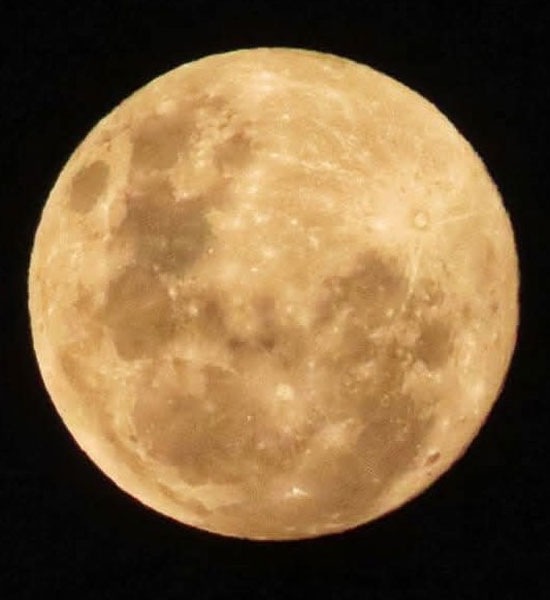
Since it was a full-moon night, the moonlight was bright enough to light our way as we walked in the dark. Walking at night is a different experience altogether, especially when you end up waking up all the dogs along the way! By the time we reached the top, the temple was closed. After spending some time there, we returned to the camp around midnight. Sometimes, you experience moments that are difficult to photograph but easy to remember.
The next morning, all of us started our return journey. The farmhouse where we stayed belongs to a Sawkar family, and the owner is a doctor by profession. The farm is surrounded by a vast plantation. After breakfast, we visited the surrounding farm. Listening to the doctor speak so passionately about progressive farming was truly interesting.
With happy memories of the trek, the history we explored, and the wonderful company of fellow trekkers, we all began our journey back home.
Also Read: