Sr Molly Fernandes Sfn
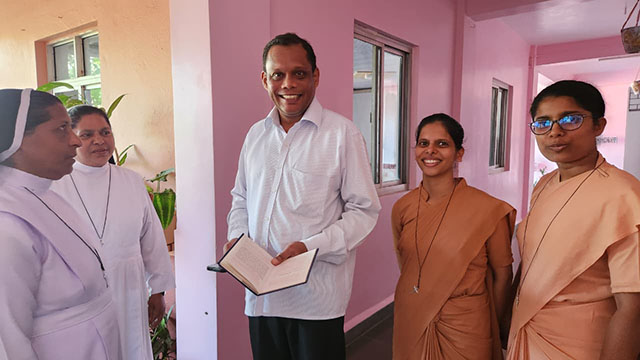
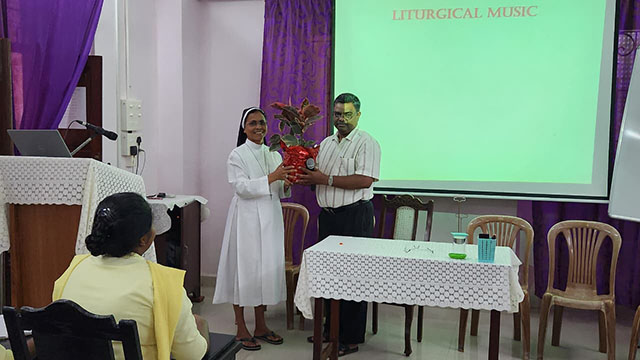
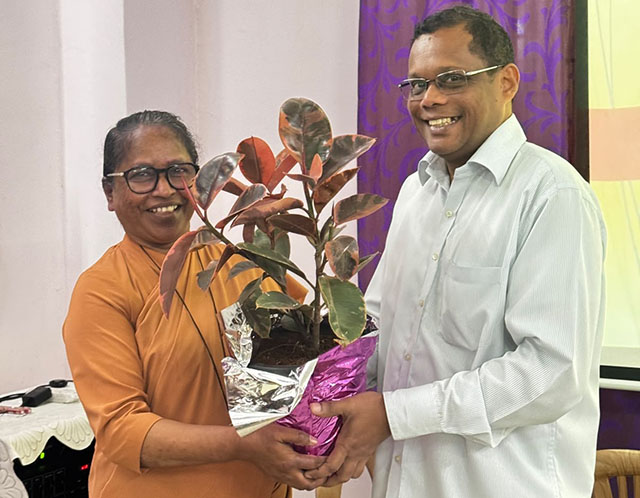
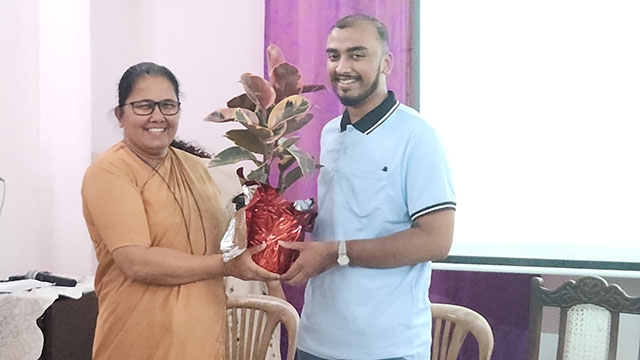
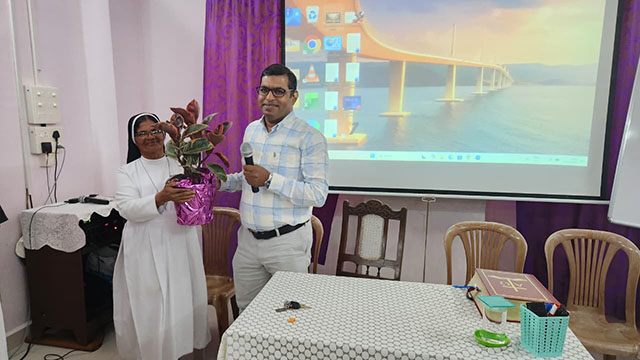
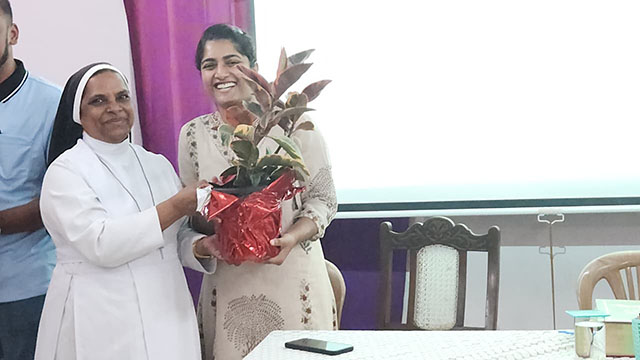
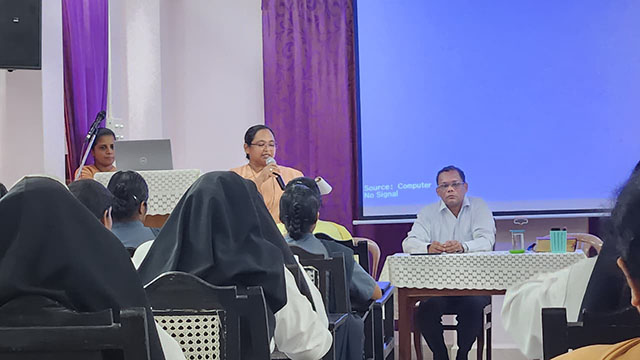
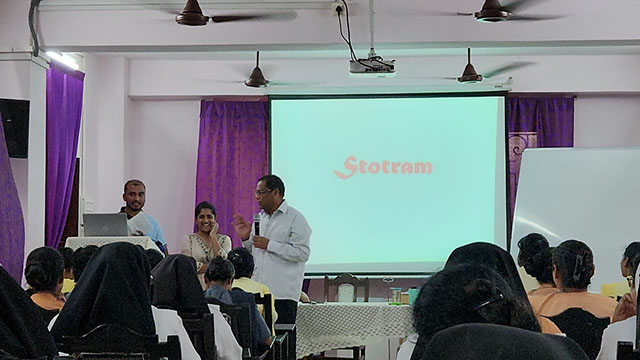
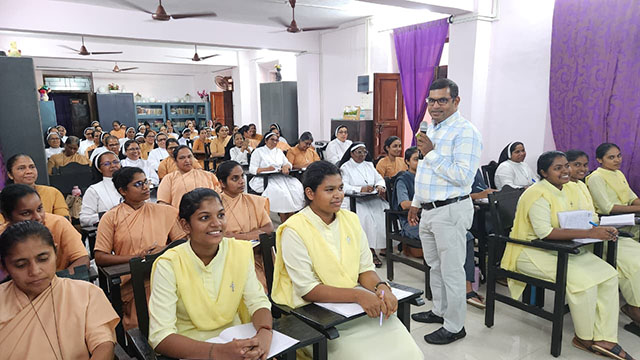
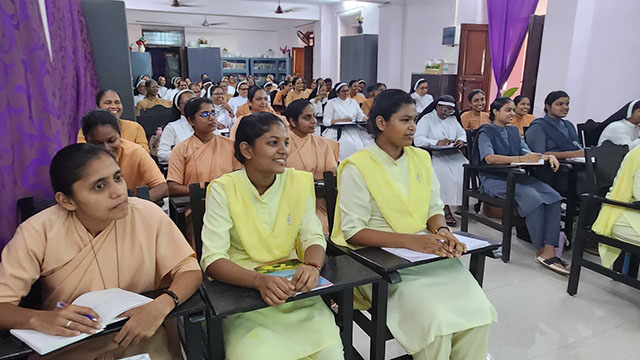
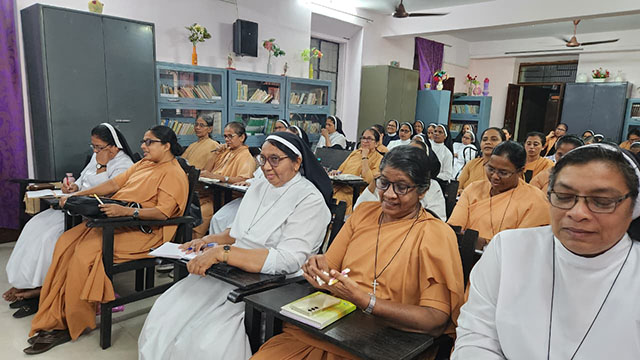
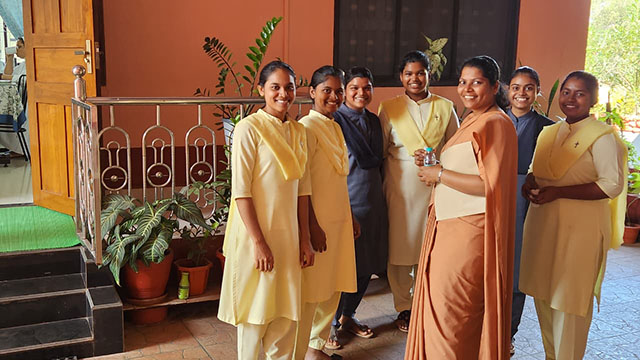
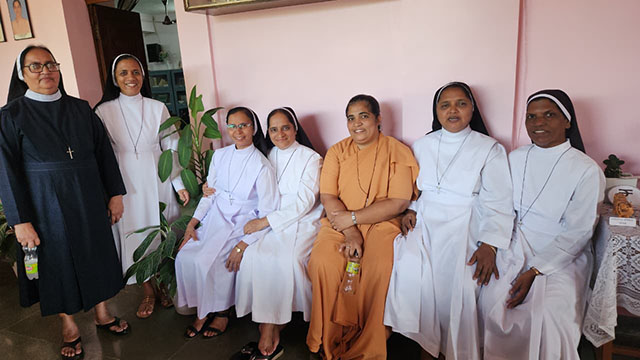
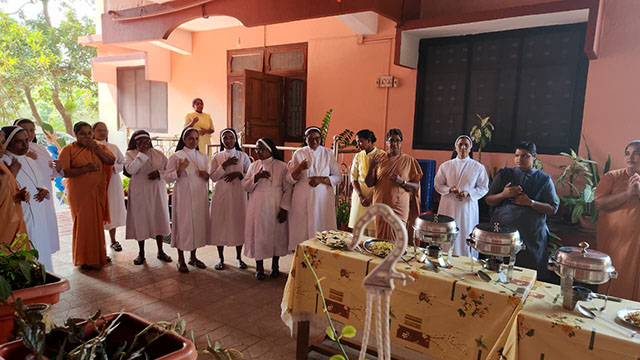
Sancoale, Nov 20: The Goa Diocesan liturgical music team held a one-day seminar on Liturgical Music on November 19 at Holy Family Convent, Sancoale, for the Sisters of the Congregation of the Holy Family of Nazareth. About 70 sisters attended. The team included Fr Romeo Monteiro, Fr Simon D’Cunha, Fr Seby Vaz, Rhea and Clide. The sisters welcomed them with potted plants before the programme began.
Fr Monteiro opened the seminar with the Church’s teaching on sacred music. He quoted Pope Francis on how mediocrity, superficiality and banality have often taken over from the beauty and depth of liturgical celebrations. From Pope Benedict XVI he took the point that sacred music should lift the human spirit, encourage contemplation and lead the faithful towards a virtuous life. Pope Leo XIV, he said, asks singers for discipline, preparation, commitment and mutual understanding, and above all a deep spiritual life grounded in service.

Citing Pope St John Paul II, he reminded the sisters that personal taste cannot be the main yardstick in worship. Not every style, such as pop, metal or jazz, suits the liturgy, which must be kept free of poor texts and unsuitable styles and drawn instead from the Word of God. Fr Monteiro noted that today many people “take refuge in the optional”. He added that Archbishop Filipe Neri Ferrão set up the Diocesan Commission for Sacred Music in 2018 in response to these teachings.
Fr Monteiro also spoke about the kinds of music recognised in the Latin Church: Gregorian chant, sacred polyphony, organ music and modern music. The purpose of this music is to glorify God, and its marks are holiness, goodness of form and universality. Music becomes holy when it suits the text and the occasion and accompanies the sacred rites.
He also set out the difference between secular and sacred music. Secular music is about diversion, entertainment and pleasure. It is centred on melody and is worldly and sensual. Sacred music is transcendent and centred on the word. It is prayerful, inspires awe and reverence, and leads to a mystical experience of God.
Fr Seby Vaz then spoke on the liturgy as the celebration of our faith and the Paschal Mystery. He explained that the liturgy speaks through symbols and signs that make the invisible visible. These signs are effective: they bring about what they signify. God is the primary actor in the liturgy. Fr Vaz also introduced the general instruction of the Roman Missal and the Lectionary, and explained three liturgical books rooted in the Word of God. The Roman Missal holds the prayers of the Mass. The Lectionary holds the Scripture readings. The Graduale, known in Konkani as Gaionacho Jhelo, holds hymn texts taken directly from Scripture.
After lunch, Fr Simon D’Cunha spoke on the norms for sacred music. He began with some history: Bishop Francisco Xavier de Piedade Rebello set up the Diocesan Commission for Sacred Music in 1964, and archbishop Raul N Gonsalves formally approved it in 1995. Fr D’Cunha then described three criteria for liturgical music:
• Musical: the music must be correct, well-made and refined, so that it draws the assembly closer to God.
• Liturgical: the music must help the faithful take an active part in the celebration.
• Pastoral: the music must move the faithful to participate and express their faith.
He urged the sisters not to give in to pressure of people to sing unapproved or unsuitable songs, etc on special occasions. They should sing approved hymns from the diocesan hymnal, Gaionacho Jhelo.
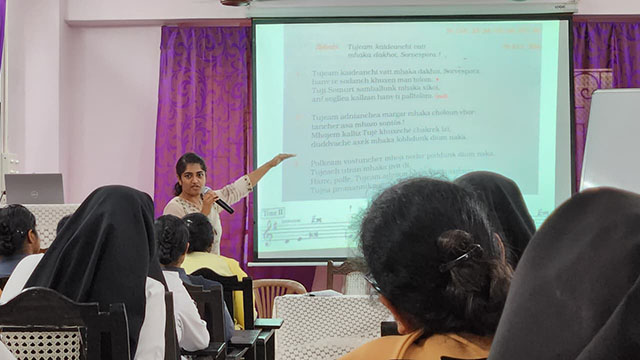
The next session was practical. Fr Monteiro, Rhea and Clide trained the sisters in singing the Responsorial Psalm. The team stressed that even when the verses are recited, the assembly should sing at least the response. The sisters were directed to the diocesan website for music and learning resources, and to Volume 7 for the Alleluia acclamations. The team also advised aspiring hymn composers to stay sensitive to the religious and social life of the people, to get proper liturgical training and to have their lyrics approved by the competent Church authority.
The seminar closed with a vote of thanks by Sr Aroline, who thanked the Diocesan Liturgical Music Team for their guidance.