Daijiworld Media Network – New Delhi
New Delhi, Nov 19: India is set to launch its first indigenously developed vaccine against highly pathogenic avian influenza (H5N1), marking a major step towards protecting the country's poultry sector and reducing the risk of the virus spreading from birds to humans.
The vaccine, developed specifically for chickens, will be formally dedicated to the nation by Union Agriculture Minister Shivraj Singh Chouhan in Bhopal on November 20, 2026.
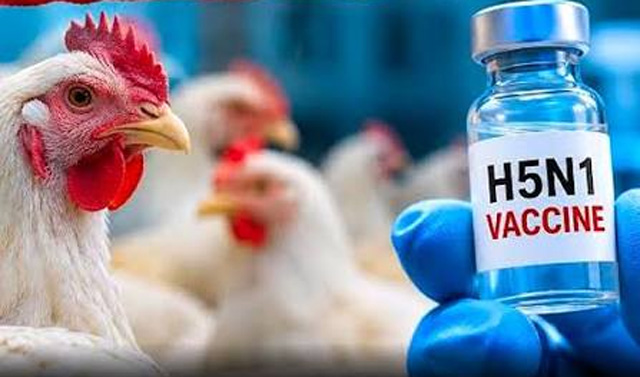
Scientists at the Indian Council of Agricultural Research-National Institute of High Security Animal Diseases (ICAR-NIHSAD), Bhopal, have developed the inactivated vaccine to target the H5N1 Clade 2.3.2.1a strain, which has been responsible for several poultry outbreaks in India.
An inactivated vaccine contains a virus that has been rendered non-infectious. When administered to chickens, it helps their immune systems recognise the virus and develop protection against infection.
The development assumes significance as India continues to face bird flu outbreaks in different parts of the country, resulting in poultry deaths, economic losses and concerns over possible transmission to other species, including humans.
Until now, a specific commercial vaccine targeting this particular H5N1 strain was not available. However, details regarding the vaccine's commercial availability, pricing and vaccination schedule are yet to be announced.
Although H5N1 primarily affects birds, the virus can occasionally cross the species barrier and infect humans. People who come into close contact with infected birds, their secretions or contaminated environments are particularly vulnerable.
According to figures cited by the Indian government from the World Health Organization (WHO), 1,003 human H5N1 infections, including 479 deaths, have been reported across 25 countries since 2003.
Human infections can cause symptoms ranging from fever, cough and breathing difficulties to severe pneumonia. However, sustained human-to-human transmission of the virus has not been established.
The indigenous vaccine is expected to strengthen India's preparedness against bird flu. However, vaccination alone cannot completely outbreaks. Regular disease surveillance, early testing, farm-level biosecurity and timely containment measures will remain essential.
People are advised to avoid handling sick or dead birds with bare hands and report unusual bird deaths to local authorities. Chicken and eggs should be sourced from reliable suppliers and cooked thoroughly before consumption.
The development marks an important milestone in India's veterinary research and disease prevention efforts, with its long-term effectiveness depending on widespread implementation and integration with existing bird flu control measures.