Daijiworld Media Network - Mumbai
Mumbai, Nov 14: Childhood diabetes is emerging as an important public health concern, highlighting the need for early diagnosis, appropriate treatment and long-term care. While Type 1 diabetes is an autoimmune condition, Type 2 diabetes, once largely associated with adults, is increasingly being diagnosed among children and adolescents.
Diabetes in children is broadly classified into three types: neonatal diabetes, Type 1 diabetes mellitus and Type 2 diabetes mellitus. Understanding their differences can help parents recognise warning signs and seek timely medical attention.
Neonatal diabetes is a rare condition that develops in infants below six months of age and is mainly associated with genetic factors. It requires specialised medical assessment and treatment.
Type 1 diabetes occurs when the body's immune system mistakenly attacks the insulin-producing cells in the pancreas. As a result, the body cannot produce enough insulin to regulate blood glucose levels. Children with this condition require insulin treatment to survive.
Type 2 diabetes is linked to insulin resistance, obesity and genetic predisposition. Changing food habits and increasingly sedentary lifestyles have raised concerns about its occurrence among children. Excessive screen time, reduced outdoor activity and frequent consumption of calorie-rich foods high in fats and carbohydrates can contribute to weight gain and insulin resistance.
Two theories are often discussed to explain the increased susceptibility to obesity and Type 2 diabetes among Indian and other Asian populations. The thrifty genotype theory suggests that populations exposed to food shortages and famines may have developed genetic traits that favour efficient energy storage. In an environment where calorie-rich food is readily available, these traits may contribute to obesity and insulin resistance.
The thrifty phenotype theory, meanwhile, focuses on inadequate maternal nutrition during pregnancy. Poor nutrition in the womb may affect a child's development and metabolism. Children born with low birth weight who later consume excessive calories may face a higher risk of obesity and Type 2 diabetes. However, childhood diabetes has several contributing factors and cannot be attributed to a single cause.
Prevention of Type 2 diabetes begins with healthier habits at home and school. Adequate maternal nutrition during pregnancy, regular physical activity and nutritious food choices can support children's health. Outdoor games, school sports and walking or cycling to school, wherever safe and practical, can help increase daily activity.
Parents can encourage healthier routines by limiting recreational screen time and promoting physical play. Schools can also contribute by offering nutritious food options in canteens and restricting sugary drinks and calorie-dense junk food. However, lifestyle changes cannot prevent all forms of diabetes, as Type 1 and neonatal diabetes are not generally preventable through such measures.
Treatment depends on the type of diabetes. Children with Type 1 diabetes require insulin, usually through a combination of short-acting insulin around meals and long-acting insulin for continuous coverage. The dosage and treatment plan must be tailored to each child's glucose levels, food intake and physical activity.
In Type 2 diabetes, the body may still produce insulin but cannot use it effectively, or may not produce enough to meet its needs. Treatment may involve lifestyle changes and oral glucose-lowering medicines. Insulin may also be required in certain cases, depending on the child's medical condition.
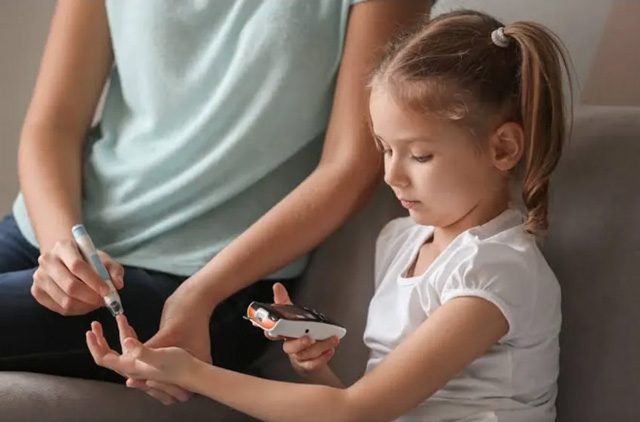
Regular blood glucose monitoring and proper education are essential for children and their families. Parents and children need to understand insulin administration, glucose readings, symptoms of low blood sugar and how to respond to very high glucose levels. They should also be guided on checking ketones when advised and managing diabetes during illnesses, particularly when the child has vomiting or difficulty eating and drinking.
Technology is also transforming diabetes care. Continuous glucose monitoring (CGM) systems use small sensors placed under the skin to track glucose levels throughout the day, reducing the need for frequent finger-prick tests. However, confirmatory checks may still be necessary in certain situations.
Insulin pumps deliver insulin through a small device, allowing doses to be adjusted according to individual requirements. When combined with a compatible glucose monitor and an algorithm that automatically adjusts insulin delivery, the system is known as an automated insulin delivery system or an artificial pancreas.
These technologies can improve glucose control and make daily management easier, but require proper training, regular monitoring and medical supervision.
Childhood diabetes management goes beyond medication. Early diagnosis, awareness, healthy family and school environments, and consistent medical support are important in helping children manage the condition. With appropriate care and individualised treatment, children with diabetes can continue to learn, play sports and lead active lives.