Daijiworld Media Network - Hyderabad
Hyderabad, Nov 11: With seasonal changes, air pollution and rising construction activity contributing to respiratory infections, doctors have urged people to remain alert to pneumonia and seek timely medical attention. Ahead of World Pneumonia Day on November 12, health experts have highlighted the importance of vaccination, early diagnosis and responsible use of antibiotics to prevent severe complications.
Dr Vijay Kumar Chennamchetty, senior consultant pulmonologist at Apollo Hospitals, Jubilee Hills, said respiratory infections tend to increase during seasonal weather changes, with pneumonia emerging as a major health concern.
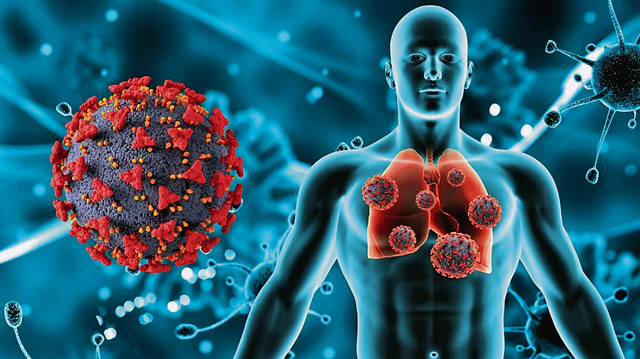
Children below five years, senior citizens above 65 and people with underlying conditions such as diabetes, heart disease and weakened immunity are particularly vulnerable. Sudden temperature fluctuations, viral infections and existing respiratory problems can further increase the risk of developing pneumonia.
He also pointed to the impact of rapid urbanisation, construction activities and vehicle emissions on respiratory health. Exposure to construction dust, traffic pollution and harmful particulate matter can irritate the respiratory tract and weaken the lungs' natural defence mechanisms.
Indoor pollution caused by cigarette smoke, cooking fumes and inadequate ventilation can further increase respiratory risks, particularly among children, elderly people and those with compromised immunity.
Doctors have cautioned that pneumonia symptoms are often mistaken for the common cold, seasonal flu or other viral infections. Persistent high fever, worsening cough, chest pain, breathlessness, rapid breathing and extreme tiredness should not be ignored.
In elderly patients, pneumonia may also cause confusion, unusual sleepiness and sudden weakness. Difficulty breathing, low oxygen levels and bluish discolouration of the lips require urgent medical attention.
Dr Vijay said lack of awareness about early symptoms, hesitation to get vaccinated and delays in seeking medical care remain major challenges in preventing pneumonia.
He stressed the need for a comprehensive approach involving vaccination, early diagnosis, public awareness and improved access to healthcare. Government and private hospitals should strengthen screening facilities, particularly for children and senior citizens. Primary healthcare centres should also be equipped with pulse oximeters and proper referral facilities.
Appropriate antibiotic treatment for bacterial pneumonia, along with oxygen support whenever required, can help prevent complications and reduce avoidable deaths.
Dr Y Soma Sai Kiran, consultant clinical and interventional pulmonologist at Yashoda Hospitals, Secunderabad, said advances in diagnostic facilities have helped doctors assess the severity of pneumonia and determine whether patients require hospital admission or can be treated at home.
Rapid molecular tests, improved respiratory and blood cultures, inflammatory markers, bedside ultrasound, CT scans when necessary, pulse oximetry and risk-assessment tools are now being used to improve diagnosis and treatment decisions.
Early oxygen and fluid support, appropriate initial antibiotic treatment and timely escalation to non-invasive ventilation or intensive care, when required, have also improved patient management.
However, treatment outcomes depend largely on how early patients seek medical attention and whether they have other underlying health conditions such as diabetes, chronic obstructive pulmonary disease (COPD), heart disease or kidney problems.
Dr Soma also highlighted the growing concern of antibiotic resistance, particularly when patients fail to respond to commonly prescribed medicines. Such cases may involve viral infections, resistant bacteria or other complications.
He emphasised that prescribing stronger antibiotics is not always the solution. Doctors must follow responsible antibiotic practices by avoiding antibiotics for viral coughs and colds, selecting the narrowest effective medicine, considering culture and sensitivity reports and avoiding unnecessarily prolonged treatment.
Higher-end antibiotics should be reserved for genuinely severe infections or cases involving resistant bacteria.
Vaccination remains one of the most effective measures to prevent severe pneumonia. Although pneumococcal conjugate vaccines are included in India's Universal Immunisation Programme, adult pneumococcal vaccination and annual influenza vaccination remain underutilised, particularly among senior citizens and people with underlying health conditions.
Dr Soma also pointed to differences in healthcare facilities across hospitals. While corporate hospitals generally have advanced diagnostic equipment, intensive care units and specialist support, smaller nursing homes may lack adequate microbiology facilities, intensive care infrastructure and respiratory support. Government hospitals, meanwhile, often face heavy patient loads.
He stressed the importance of a coordinated referral system, wider availability of pulse oximeters and oxygen facilities, timely diagnostic testing and standardised pneumonia treatment protocols across healthcare institutions.
Doctors have urged people, especially those in vulnerable age groups, to take preventive measures, stay updated on recommended vaccinations and seek medical advice without delay when respiratory symptoms worsen.