Daijiworld Media Network - Kochi
Kochi, Nov 10: The Kerala High Court on Tuesday ruled that police cannot impose independent time restrictions on DJ parties organised by hotels holding valid liquor licences that permit them to operate beyond normal closing hours.
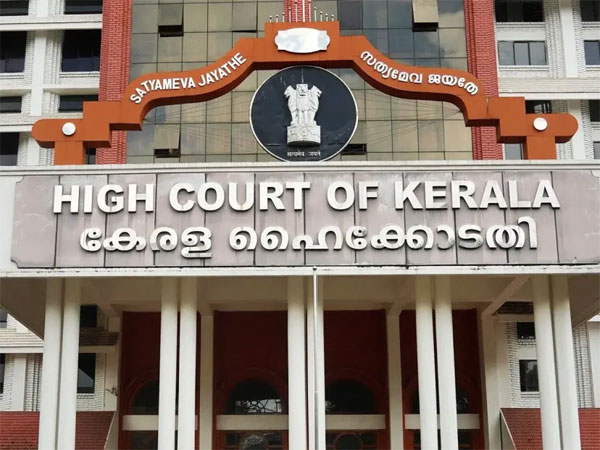
Setting aside notices issued to Kochi's Radisson Blu hotel, Justice M. Purushothaman held that police cannot curtail the extended operating hours granted to an FL-3 licensed hotel by the Excise Department without specific grounds justifying such restrictions.
The hotel is permitted to operate until 3 am during the financial year 2026-27, except on the eve of a statutory dry day, under the extended permission granted by the Excise Department.
The court observed that the mere possibility of criminal activities taking place during such events was insufficient to justify restrictions under the Kerala Police Act.
The hotel had approached the High Court challenging police notices that restricted its bar operations to midnight and DJ programmes to 11 pm. It had paid Rs 5 lakh to obtain permission to operate until 3 am under the amended Foreign Liquor Rules.
Opposing the hotel's plea, the police cited the growing number of late-night entertainment venues and expressed concerns over drug use, violence and offences against women.
An affidavit submitted by the Kochi Police Commissioner also referred to criminal cases linked to DJ events.
The police maintained that an extended liquor licence did not automatically grant hotels an unrestricted right to organise late-night entertainment programmes. They argued that the restrictions were intended to regulate large gatherings and high-decibel music rather than curtail the sale of liquor.
Rejecting the blanket restrictions, the High Court clarified that police could take appropriate legal action if they had reason to believe that drugs or other criminal activities were taking place under the cover of DJ parties.
However, the court made it clear that police authorities retained their powers to act against noise pollution.
The Police Commissioner can issue preventive directions if DJ music violates prescribed night-time noise limits or ambient noise standards.
The ruling thus draws a distinction between the extended operating hours permitted under a hotel's liquor licence and the police's authority to prevent criminal activities and enforce noise pollution regulations.