Daijiworld Media Network – New Delhi
New Delhi, Oct 23: Osteoporosis is a condition that gradually weakens bones, making them less dense and more vulnerable to fractures. Often described as a silent disease, it may develop over several years without noticeable symptoms and may remain undetected until a fracture occurs.
Although osteoporosis is commonly associated with ageing, bone health is influenced by lifestyle choices throughout life. Inadequate calcium and vitamin D intake, physical inactivity, smoking, excessive alcohol consumption and poor nutrition can contribute to weaker bones over time.
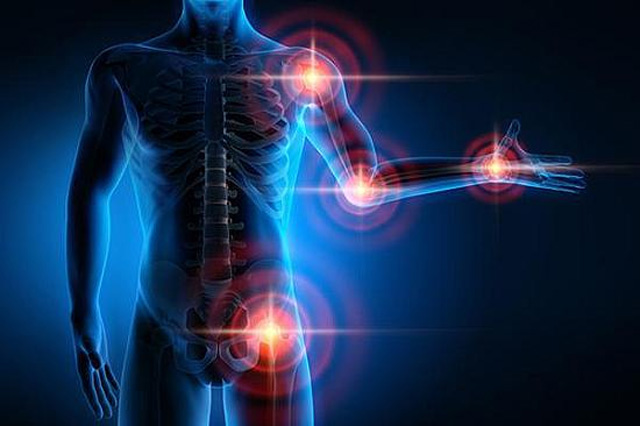
Dr Vishal Lapshia, Consultant Orthopaedic and Joint Replacement Surgeon at AIMS Hospital, Dombivli, explains how everyday habits can affect bone strength and why taking preventive measures early is important.
One of the key factors affecting bone health is inadequate intake of calcium and vitamin D. Calcium helps maintain bone strength, while vitamin D enables the body to absorb calcium. A balanced diet that includes calcium-rich foods and adequate vitamin D can help support healthy bones. People concerned about nutritional deficiencies should seek medical advice before taking supplements.
Physical inactivity is another concern. Spending long hours sitting without sufficient movement can affect bone strength and muscle fitness. Regular walking and other suitable weight-bearing activities can help maintain healthy bones. Breaking up prolonged periods of sitting with movement can also improve overall physical activity.
Avoiding strength training may further affect bone and muscle health. Resistance exercises can help maintain muscle strength, balance and stability, which become increasingly important with age. Exercise routines should be suited to individual fitness levels, particularly for people with existing medical conditions.
Smoking is also associated with poorer bone health and an increased risk of fractures. Quitting smoking can support overall health and help reduce risks associated with long-term tobacco use.
Excessive alcohol consumption can affect bone health and impair balance and coordination, increasing the likelihood of falls and fractures. Limiting alcohol intake is therefore an important consideration, especially for people already at risk of osteoporosis.
Following highly restrictive diets can also leave the body without sufficient protein, calcium, vitamin D and other nutrients needed to maintain healthy bones and muscles. A balanced diet that meets nutritional requirements is essential for supporting bone strength.
Another concern is ignoring bone health because there are no obvious symptoms. Osteoporosis may progress silently, and the absence of pain does not necessarily indicate strong bones.
People with risk factors such as increasing age, a family history of osteoporosis, previous fractures, prolonged use of certain medications or significant hormonal changes may benefit from medical assessment.
Preventing osteoporosis begins with healthy habits adopted early in life. Eating a balanced diet, getting adequate calcium and vitamin D, exercising regularly, maintaining muscle strength and balance, avoiding smoking and limiting excessive alcohol consumption can help support bone health.
Since osteoporosis can develop without obvious warning signs, recognising risk factors and seeking timely medical advice can help people take appropriate steps to protect their bones and reduce the risk of fractures.