Daijiworld Media Network - Kolkata
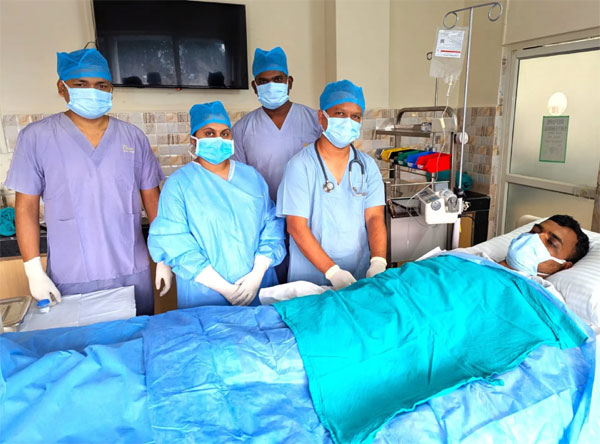
Kolkata, Oct 6: Command Hospital (Eastern Command), Kolkata, has successfully administered indigenously developed CAR-T cell therapy to a 39-year-old serving soldier suffering from relapsed/refractory B-cell Acute Lymphoblastic Leukaemia (B-cell ALL).
NexCAR19 is India’s first indigenous CAR-T cell therapy, developed to provide affordable and accessible immunotherapy for blood cancers such as leukaemia and lymphoma.
The therapy was developed through a collaboration between IIT Bombay, Tata Memorial Centre and biotechnology start-up ImmunoACT.
It works by reprogramming a patient’s own T-cells with Chimeric Antigen Receptors (CARs), enabling them to identify and destroy CD19-expressing cancer cells.
Unlike murine (mouse-derived) products, NexCAR19 uses a humanised product configuration, which is associated with a lower risk of severe neurological side effects.
The treatment involves collecting the patient’s T-cells, genetically engineering them with CARs and then reinfusing the modified cells into the body. The engineered cells subsequently identify and attack cancer cells more effectively.
CAR-T therapy is considered an important treatment option for patients with relapsed or refractory blood cancers who have exhausted conventional treatment avenues.
It is also among the most affordable CAR-T therapies globally, costing approximately one-tenth of comparable treatments available in Western countries.
Command Hospitals across the country are among the institutions authorised to administer the treatment.
Describing the development as a significant achievement, Eastern Command said on X that it was “a landmark achievement, reflecting clinical excellence, innovation and commitment to delivering cutting-edge, patient-centric healthcare to the Indian Armed Forces”.
The development also highlights the Army’s focus on adopting advanced medical technologies for the benefit of serving personnel and their dependants.
In September, Command Hospital (Western Command), Chandimandir, administered its first CAR-T cell therapy to a 16-year-old patient suffering from B-cell ALL.