Daijiworld Media Network - Minab
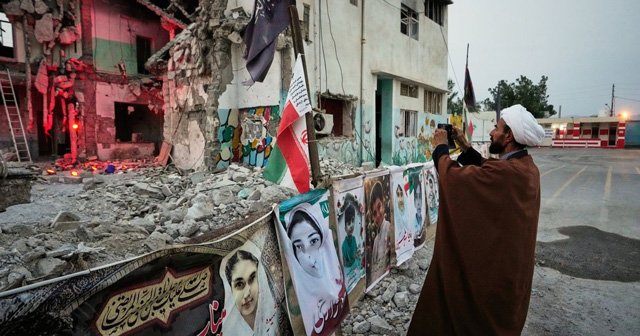
Minab, Sep 9: The shattered remains of a school in southern Iran have become a place of mourning for families who lost their children and loved ones in an airstrike that killed scores of students and teachers.
Among those grieving is Heydar Sadeghi, who visits the ruins of Shajareh Tayyebeh school almost every evening. His 11-year-old grandson Hami and the boy’s mother, Neda Salehizadeh, a teacher at the school, were killed in the February 28 strike.
Sadeghi recalled rushing to the school after hearing the explosions and searching through the debris for his family members. Hami’s body was badly damaged and was identified through the clothes he was wearing, while his nine-year-old sister Nila was rescued alive from the rubble.
Nila has since moved in with her father and grandparents. Sadeghi said the child continues to struggle with the psychological impact of the attack and is easily frightened by sudden noises. While he tries to remain strong around his granddaughter, he said he comes to the school site to grieve privately.
A banner at the school displays photographs of children and teachers who were killed. It lists 120 students, including 47 girls and 73 boys, along with 26 teachers and staff members. Three other children are presumed dead, although their bodies were never recovered.
The Associated Press has reported that at least one US missile struck the school, while the circumstances surrounding the attack remain disputed and there has been no final independent accounting of the casualties. Iranian state media have reported that 168 people were killed, most of them children. The US administration has not directly accepted responsibility or released the findings of a Pentagon investigation into the strike.
The school housed a girls' section upstairs, while a boys' school and preschool operated on the ground floor. Many of the students were local children, including members of Iran's Baluch community, while some were children of officers stationed at a nearby Revolutionary Guard base.
Authorities in Hormozgan province have said the damaged school building will be preserved as a memorial and war museum. The site is already drawing relatives of the victims and visitors from outside Minab. Mourning ceremonies are held there each evening, with families and others recounting the final moments of those who died.
A separate section of Minab's cemetery has also been designated for the victims. Photographs have been placed on the graves, while families leave flowers, prayer beads and traditional saffron rice pudding as they mourn their loved ones.
Among them is Fatemeh Barani, whose daughter Nasim Neyestani, a second-grade teacher, was killed in the strike. Barani said her daughter had become concerned after news of attacks in Tehran and urged the school principal to cancel classes and allow parents to take their children home.
According to Barani, Neyestani personally contacted the parents of her 22 students. Fourteen children were collected before the strike, but the remaining eight were still at school.
Neyestani reportedly took the children to a safe area before they were directed to the school's prayer room. The room was subsequently hit, killing the teacher and all eight children.
The account could not be independently verified, although it is consistent with other reports that some teachers had contacted parents before schools were officially ordered to close nationwide.
Barani said her family later found her daughter's belongings at the school. She has been unable to bring herself to enter Neyestani's bedroom and remains overwhelmed by grief.
Neyestani, who was unmarried, worked as a teacher in the mornings and at a cosmetics store in the evenings. At home, she enjoyed making handicrafts, particularly the traditional Iranian enamel art known as minakari.
For families in Minab, the school ruins and the cemetery have become lasting reminders of the lives lost in the attack. For Sadeghi, the daily visit to the destroyed school remains part of his struggle to cope with the loss of his grandson and daughter-in-law.
"Every day, this grief feels fresh again," Barani said.