Daijiworld Media Network - Houston
Houston, Aug 31: A protein best known for its role in cancer may also play a key role in chronic nerve pain, according to researchers at The University of Texas MD Anderson Cancer Center, raising the possibility that existing cancer drugs could eventually be repurposed to treat neuropathic pain.
The researchers found in preclinical models that BRAF, a protein involved in cancer-promoting signalling, may help initiate, intensify and sustain pain signals following nerve damage. Drugs that inhibit BRAF signalling reduced pain sensitivity in the models, suggesting a potential new approach to treating chronic pain that often responds poorly to conventional medications.
The study, published in Science Signaling, was co-led by Shao-Rui Chen, M.D., professor of Anesthesiology and Perioperative Medicine, and Hui-Lin Pan, M.D., Ph.D., endowed chair of Anesthesiology and Perioperative Medicine.
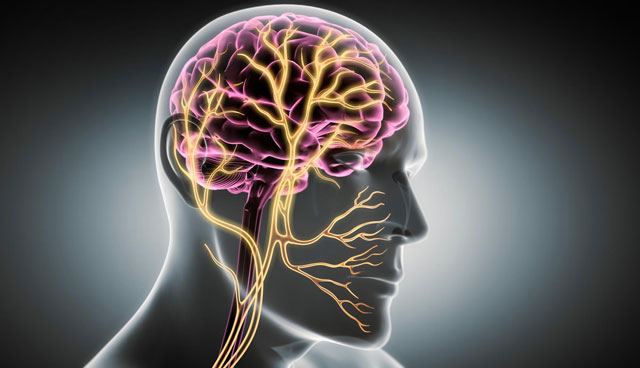
"Our findings identify the cancer-promoting protein BRAF as a key driver of pathological pain signaling following nerve injury," Pan said. He added that because BRAF inhibitors are already approved for cancer treatment, the findings raise the possibility of repurposing existing therapies to reduce pain signals reaching the spinal cord and improve patients' quality of life.
Neuropathic pain is caused by damage to nerves and can develop following physical injury, disease or certain life-saving cancer treatments. It can persist for long periods and may be severe, while commonly used pain medicines often provide limited relief.
The researchers focused on NMDA receptors, protein channels found in the brain and spinal cord that help nerve cells communicate. Following nerve damage, these receptors can become excessively active, strengthening pain signals. The study examined whether BRAF contributes to this process.
Using preclinical models of nerve injury, researchers found that BRAF travelled from peripheral sensory nerve cells to their nerve endings in the spinal cord. Once there, it activated molecular signalling that increased the activity of NMDA receptors.
The researchers also observed a correlation between proteins involved in BRAF signalling and NMDA receptors in samples of human spinal cord tissue, providing additional evidence of a potential connection between the two pathways.
The team then tested drugs designed to interfere with the pathway. The BRAF inhibitor vemurafenib and the MEK inhibitor selumetinib reduced sensitivity to touch, pressure and heat in preclinical models of nerve injury. Importantly, neither drug altered normal responses in models without nerve damage.
Genetic experiments provided further evidence of BRAF's role. Removing the Braf gene resulted in less persistent pain sensitivity, while directly activating BRAF triggered pain sensitivity even in models that had not suffered nerve damage.
The opposing results strengthened the researchers' conclusion that BRAF may contribute not only to the development of neuropathic pain but also to its persistence after nerve injury.
However, the findings are still at the preclinical stage and do not establish that BRAF inhibitors can safely or effectively treat neuropathic pain in humans. Before clinical trials can be considered, researchers will need to determine appropriate doses and delivery methods and assess potential side effects.
Scientists also want to understand what triggers BRAF to travel from peripheral sensory nerves to the spinal cord following an injury.
Despite these unanswered questions, the study establishes a potential link between BRAF signalling and excessive NMDA receptor activity in the spinal cord. The researchers say the findings suggest that existing BRAF-targeting medicines could eventually offer a new therapeutic avenue for people living with persistent neuropathic pain.