Daijiworld Media Network – Raleigh
Raleigh, Aug 30: Health authorities in North Carolina have warned people who may have come into contact with baby goats at a mobile petting zoo that several of the animals were infected with rabies, a rare but potentially fatal disease.
The North Carolina Department of Health and Human Services (NCDHHS) said three baby goats at Farm Adventures, a mobile petting zoo based in Harmony in Iredell County, tested positive for rabies. A fourth goat was not tested but is also presumed to have been infected. State laboratory testing confirmed the virus in three goats on August 28.
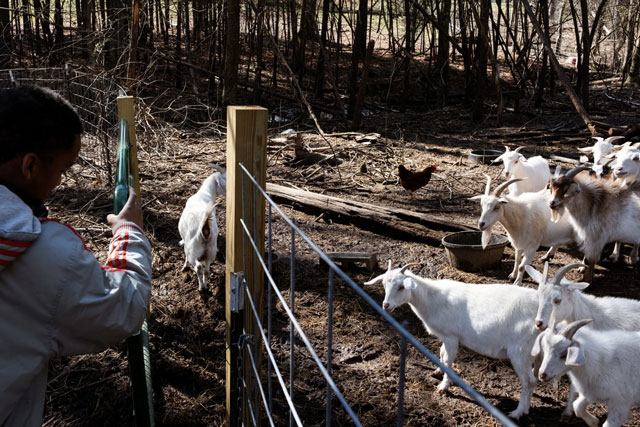
Authorities said people who had contact with the goats at the Farm Adventures location or at off-site events between July 28 and August 27 may have been exposed. They have urged anyone who handled, touched, bottle-fed or otherwise had close contact with the animals to contact their local health department as soon as possible to determine whether preventive medication is required.
Officials have stressed that people should contact health authorities before going directly to an emergency department or urgent care facility so that they can be assessed and directed to the appropriate location for treatment.
The goats were most likely exposed after a skunk entered their enclosure in late July. State officials said they were first notified of the potential rabies exposure on August 27. The investigation found that no other animals on the farm currently pose a rabies exposure risk to people.
Health authorities have identified 10 known potential exposure locations between July 28 and August 23. These include Jurney's Assisted Living in Statesville on July 28, a private event in Mecklenburg County on July 30, the Community Connections Back-to-School Bash at Breeden Amphitheater in Lexington on August 1, Brookdale Peachtree in Statesville on August 6, a private event in WatAugusta County on August 8, a private event in Burke County on August 9, the Masonic Picnic Grounds in Mocksville on August 15, private events in Durham County on August 16 and August 23, and a private event in Iredell County on August 22.
The affected events included gatherings involving children and elderly people. Public health officials are working with event organisers and local health departments to identify and notify people who may have had direct contact with the infected goats. The investigation remains ongoing and authorities said additional exposure locations may be announced as information is verified.
Farm Adventures owner Misty Love said the four baby goats had been euthanised. The animals had been kept separately because they were too young to receive vaccinations, according to the petting zoo. The business said it was cooperating with health authorities and monitoring its remaining animals under official guidance.
The goats did not initially show obvious signs of rabies, according to the owner. A skunk was found inside their enclosure on July 29, and one of the goats later died on August 19. Another became ill the following day and was euthanised. A necropsy subsequently revealed the infection.
Iredell County officials said the remaining animals on the farm had been placed under official quarantine as a precaution while the investigation continued. The county health department has been coordinating with NCDHHS and the North Carolina Department of Agriculture and Consumer Services.
Health officials said there is no broad risk to the public and that the concern is limited to people who had close contact with the infected goats. Because baby goats are commonly bottle-fed, carried and cuddled, officials are taking a proactive approach to identifying anyone who may have been exposed.
Rabies is primarily transmitted through the saliva of an infected animal, most commonly through a bite. It can also spread if infected saliva comes into contact with broken skin or mucous membranes such as the eyes, nose or mouth. Although rabies transmission from livestock is less common than transmission from wild animals, infected livestock can still expose people to the virus.
Human rabies infections are extremely rare in the United States, and North Carolina has not reported a human case since 2011. However, once symptoms begin, rabies is almost always fatal. Preventive treatment given before symptoms develop can stop the infection from progressing.
The incubation period can range from weeks to months. Early symptoms may include weakness, fever, headache and a tingling or itching sensation at the site of exposure. Officials have therefore urged potentially exposed people not to wait for symptoms before seeking advice.
The state health department said healthcare systems have access to post-exposure prophylaxis (PEP), the preventive treatment used after possible rabies exposure, and additional supplies can be obtained if required.
North Carolina officials said rabies is most commonly found in wild animals such as skunks, raccoons, bats and foxes. More than 4,000 animals were submitted for rabies testing in the state in 2025, with about 6% testing positive.
Authorities have reiterated that anyone who handled or had close contact with the Farm Adventures baby goats between July 28 and August 27 should contact their local health department promptly for an individual exposure assessment and advice on whether rabies preventive treatment is necessary.