Daijiworld Media Network - Tehran
Tehran, Aug 26: Iran and Oman have resumed discussions on managing traffic through the Strait of Hormuz, with the two countries discussing a framework for a joint temporary navigational corridor and an operation to clear mines from the strategic waterway.
The talks came as tensions in the wider Middle East conflict continue to affect shipping through the strait, one of the world's most important energy chokepoints. Before the war began in February, the waterway handled about one-fifth of global oil and liquefied natural gas shipments, but most shipping has remained suspended since then.
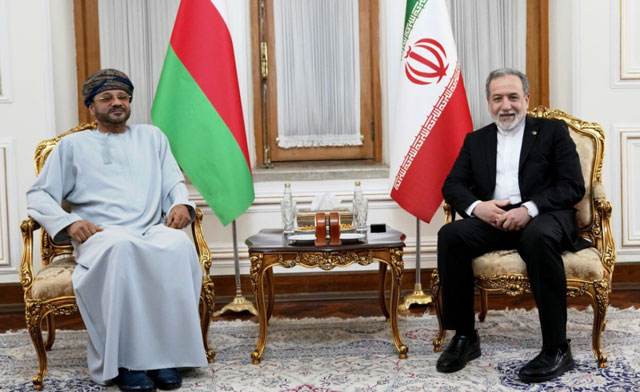
Omani Foreign Minister Sayyid Badr bin Hamad Al Busaidi travelled to Tehran on Tuesday and held talks with his Iranian counterpart, Abbas Araghchi. The two sides said their discussions focused on restoring safe navigation through the Strait of Hormuz while respecting the sovereignty and sovereign rights of both countries.
Under the proposed framework, Iran and Oman would establish a joint temporary navigational corridor and carry out a joint project to clear mines from the waterway.
The two sides are also expected to continue technical negotiations on establishing a permanent navigational corridor, future administration of the strait, information-sharing, traffic management and navigational and security services. The discussions are also expected to involve other countries bordering the Gulf.
Oman's foreign minister expressed hope that the two countries could soon announce details of the temporary transit corridor. However, the proposed arrangement does not yet amount to a full reopening of the strait, and shipping remains subject to security risks.
The development comes after an oil tanker was struck by an unidentified projectile near Oman's coast, close to the entrance of the Strait of Hormuz, underscoring the risks faced by commercial vessels operating in the region.
US President Donald Trump has said that mines in the international shipping lanes of the strait have been removed or cleared and has warned Iran against placing new mines. Iran and Oman, however, have agreed to undertake their own mine-clearing project as part of the proposed navigation framework.
Although direct military hostilities between the United States and Iran have eased in recent weeks, diplomatic efforts to reach a broader settlement remain stalled. The continued uncertainty has kept the Strait of Hormuz a major concern for global energy markets and shipping companies.
Oil prices declined on Wednesday as the Iran-Oman discussions raised hopes that navigation through the Strait of Hormuz could gradually resume.
Brent crude futures fell about 2 per cent to around $86.80 a barrel, while US West Texas Intermediate crude declined about 1.8 per cent to $80.87. Both benchmarks had fallen more than 3 per cent in the previous session.
Analysts said the possibility of a temporary shipping corridor has eased some concerns over supply disruptions, although uncertainty surrounding the conflict and the safety of commercial vessels continues to limit the market's reaction.
The developments came as Washington intensified economic pressure on Tehran. The United States has expanded sanctions targeting individuals, companies and vessels involved in Iran-related trade, while warning countries that continue doing business with Tehran of possible consequences. Iran has condemned the measures and vowed to resist the US pressure campaign.
At the same time, the United States has started returning personnel to some diplomatic missions in the Middle East that had been evacuated or downsized during the escalation with Iran. The move indicates that Washington sees a lower immediate risk of further escalation, although some missions are expected to initially operate below full capacity.
China has also opposed the latest US sanctions against Iran-related trade, calling Washington's threat of secondary sanctions unlawful and defending its right to maintain legitimate economic relations with Tehran.
The issue is significant because China remains a major buyer of Iranian oil, making the US sanctions campaign a potential source of tension between Washington and Beijing.
Meanwhile, violence continued elsewhere in the Middle East. In Gaza, Israeli airstrikes killed at least four people, including people at a refugee camp and a humanitarian warehouse, according to reports, as the humanitarian and food crisis in the territory continues.
The situation has been further complicated by Israel's seizure of a UNRWA-run vocational school near Jerusalem, drawing condemnation from UN officials over the impact on educational access for Palestinians.
The latest developments have placed the Strait of Hormuz at the centre of efforts to reduce regional tensions. Any sustained reopening of the waterway could ease pressure on global oil and gas supplies, but a permanent arrangement on navigation, security and administration remains to be negotiated.