Daijiworld Media Network – Beijing
Beijing, Aug 19: China has reported its first known human infection with swine influenza A(H1N2)v, after a previously healthy 2-year-old boy developed recurrent fever and severe coughing, highlighting the importance of monitoring viruses that can pass from animals to humans.
The child, who lived in a rural area where pigs, chickens and pigeons were kept close to residential and cooking areas, initially received treatment for respiratory symptoms after several outpatient visits. His condition later worsened, and he was hospitalised with bronchopneumonia and fever.
Tests detected influenza A, while sputum examination also indicated a possible Haemophilus influenzae infection. The child was treated with antibiotics, oseltamivir and other supportive medicines. His fever eventually subsided, his respiratory symptoms improved and he was discharged after making a full recovery.
Further genetic testing identified the virus as swine influenza A(H1N2)v. Researchers found that the virus was a reassortant containing genetic material from swine H1N1, H1N2 and H3N2 lineages. Its eight gene segments showed 95.17% to 98.53% similarity with swine influenza strains circulating in China.
Interestingly, routine polymerase chain reaction tests conducted on archived and follow-up samples were negative. However, next-generation sequencing of an oropharyngeal swab successfully recovered the complete viral genome. Researchers said the difference could have been linked to a low viral load, the timing of sample collection or difficulties in recovering infected cells.
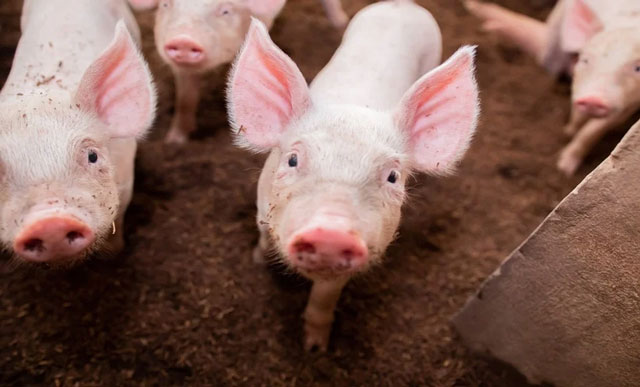
Investigators also found evidence suggesting possible exposure to infected pigs. A pig belonging to the child's great-uncle died around the time the child became ill, while two other pigs developed cough and diarrhoea. Testing of 91 human, animal and environmental samples detected influenza A in bronchoalveolar fluid and lung samples from the deceased pig.
Although researchers could not establish the exact route of transmission, the infected pig was considered a possible source of the child's infection.
Health authorities also tested 30 close contacts of the child. All tested negative and remained free of influenza-like symptoms during monitoring, with no evidence of human-to-human transmission.
The case highlights the need for continued surveillance of influenza viruses circulating among livestock and people, particularly in communities where humans and animals live in close proximity.
Experts have also stressed the importance of asking patients with influenza-like symptoms about possible contact with pigs and strengthening cooperation between human and animal health authorities to detect potential zoonotic infections at an early stage.