Daijiworld Media Network - London
London, Aug 9: Social prescribing and supported self-management could play a greater role in radiation therapy and wider non-surgical cancer care, according to a scoping review that identified opportunities to improve support for patients throughout their cancer journey.
Both approaches are part of the NHS personalised care model and have demonstrated benefits in primary care, but they have not yet been routinely incorporated into radiation therapy.
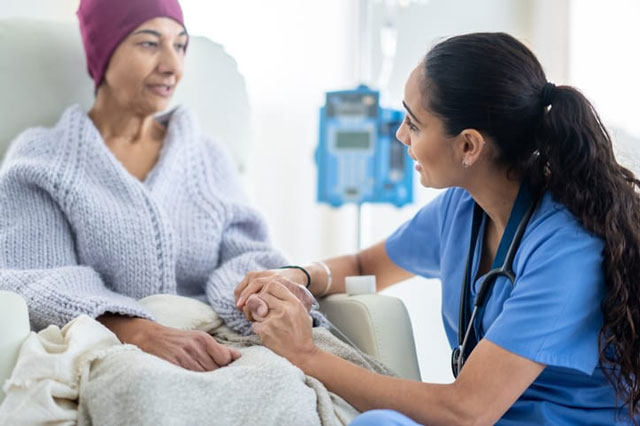
Social prescribing focuses on psychological, social and environmental factors that can influence health and wellbeing, while supported self-management helps patients develop the knowledge, skills and confidence needed to manage their health and treatment-related challenges.
With an estimated 53.5 million people worldwide living within five years of a cancer diagnosis, researchers said these approaches could have broad relevance for patients dealing with the long-term effects of cancer and its treatment.
The review searched PubMed, ScienceDirect and the Cumulative Index to Nursing and Allied Health Literature Ultimate database, following Preferred Reporting Items for Systematic Reviews and Meta-Analyses guidelines. Twelve studies from five countries met the inclusion criteria and were assessed using Joanna Briggs Institute critical appraisal checklists.
The researchers identified three major themes, covering the needs and current clinical practices of healthcare professionals, unmet needs among patients, and existing strategies and future directions for cancer care.
Breast cancer was the most commonly represented diagnosis in the studies reviewed. However, the researchers noted that the experiences and unmet needs of patients with other types of cancer remain relatively underexplored.
The review found several social prescribing and supported self-management strategies that could provide continued support from diagnosis through treatment and into survivorship.
Researchers said radiation therapists and other non-surgical oncology professionals are well placed to recommend these interventions, although additional training may be needed to improve their knowledge and confidence.
A combination of online and face-to-face support was considered particularly effective as it could improve accessibility and allow patients to access support at a convenient time.
The researchers also highlighted the need for stronger links between hospitals and primary care networks to ensure continuity of support after treatment ends.
The review concluded that social prescribing and supported self-management should be introduced earlier in the cancer care pathway instead of being delayed until treatment has been completed.
Integrating these approaches throughout non-surgical oncology care could help address individual patient needs and provide stronger support during treatment and the survivorship period.