Daijiworld Media Network - Salt Lake City
Salt Lake City, Aug 4: Utah is facing one of its most challenging years on record, with a series of climate-related disasters—including record drought, extreme heat, devastating wildfires and flash floods—striking the state in rapid succession and exposing the growing impact of extreme weather.
The crisis began with an exceptionally dry winter that produced the lowest snowpack ever recorded in Utah. Snow accumulation peaked nearly three weeks earlier than normal and was the weakest since record-keeping began in 1930, prompting Governor Spencer Cox in May to declare a statewide drought emergency. All 29 counties were placed under severe drought conditions, with 22 classified as being in extreme drought. Officials warned that the state's primary water source had been severely depleted, forcing greater reliance on reservoir storage.
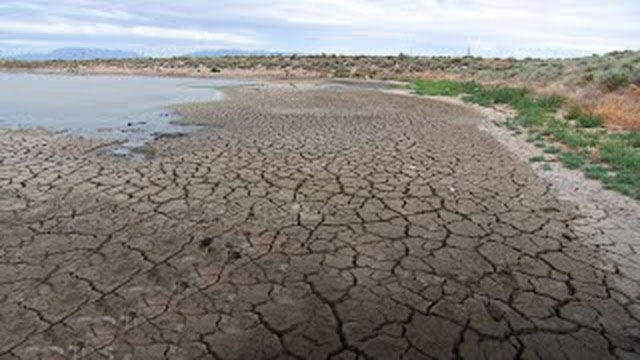
The situation worsened in March when an unusually intense heatwave rapidly melted what little snow remained in the mountains, accelerating water shortages and drying vegetation across the state. Scientists noted that the warmest winter on record, combined with below-average precipitation, significantly increased the risk of wildfires during the summer.
By June, dry thunderstorms accompanied by strong winds ignited multiple wildfires across Utah. One of the largest, the Cottonwood Fire, grew into the sixth-largest wildfire in the state's history, scorching tens of thousands of acres, forcing evacuations and destroying property. The fire season became one of Utah's worst in recent memory, with more than 590 wildfires burning nearly 380,000 acres statewide. Authorities imposed emergency restrictions on fireworks and declared a state of emergency in several counties as firefighters battled rapidly spreading blazes under extreme weather conditions.
The aftermath of the fires created a new threat. Burn scars left by the wildfires stripped hillsides of vegetation, reducing the land's ability to absorb rainfall. When seasonal monsoon storms arrived, heavy downpours triggered flash floods and debris flows in several parts of the state, damaging roads, homes and infrastructure.
Governor Cox subsequently declared a state of emergency in Beaver, Piute and Sevier counties following catastrophic flooding linked to the wildfire burn scars. State officials warned that burned landscapes remain highly vulnerable to flooding even after fires are contained, as rainfall runs rapidly over scorched ground instead of soaking into the soil.
Climate experts say Utah's experience highlights the growing phenomenon of "compounding disasters," where one climate event intensifies the next. Drought dries vegetation and weakens ecosystems, heat accelerates snowmelt and moisture loss, wildfires destroy protective vegetation, and subsequent rainfall leads to severe flooding and landslides.
Scientists also point to long-term climate change as a key factor increasing the frequency and intensity of such overlapping disasters across the western United States. Rising temperatures, prolonged droughts and more erratic rainfall patterns are making states like Utah increasingly vulnerable to successive extreme weather events.