Daijiworld Media Network – Ludhiana
Ludhiana, Jul 19: The Health Department has intensified its anti-mosquito drive across Ludhiana following the onset of the monsoon, with 29 malaria and nine dengue cases reported in the district so far this season.
Keeping the rainy season in view, the department has stepped up its special anti-dengue campaign focusing on larval surveillance, anti-larval measures and public awareness to prevent the spread of the disease.
During the recent campaign, Health Department teams visited 259 government and private hospitals, clinics and offices. They also covered 289 localities, inspected 8,824 houses and examined 21,945 water containers for the presence of dengue mosquito larvae.
Anti-larval measures were immediately carried out wherever mosquito breeding was detected. Health workers also advised residents to prevent water stagnation in and around their homes and to clean coolers, flower pots, discarded tyres, overhead water tanks and other water-holding containers at least once a week.
As part of the awareness campaign, a dengue awareness camp was organised at Chet Singh Nagar, where mass media and anti-larva teams educated residents about dengue symptoms, preventive measures and the importance of seeking timely medical treatment.
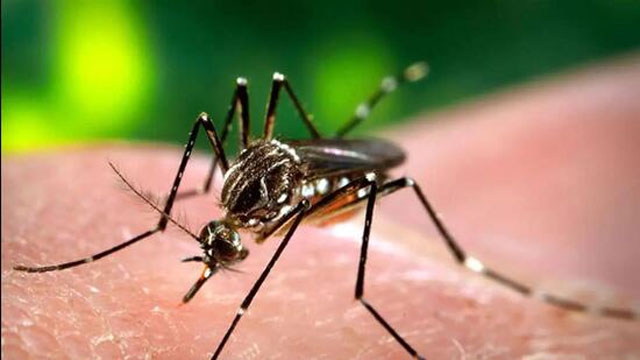
Residents were informed that the Aedes mosquito, which spreads dengue, breeds in clean stagnant water and bites during the daytime. Pamphlets carrying information on dengue prevention were also distributed.
Civil Surgeon Ramandeep said the Health Department was working to prevent dengue through continuous surveillance, anti-larval activities and awareness campaigns across the district.
She appealed to the public to cooperate with Health Department teams and observe a weekly "dry day" by emptying and cleaning all water-holding containers to prevent mosquito breeding.
She also urged citizens to participate in the department's campaign, "Har Shukarvaar – Dengue te Vaar", by spending a few minutes every Friday inspecting, emptying and cleaning all water containers in and around their homes.
Ramandeep further advised people experiencing symptoms such as high fever, severe headache, body aches, pain behind the eyes or skin rashes to immediately consult the nearest government health facility or a qualified doctor and avoid self-medication.