Daijiworld Media Network - New Delhi
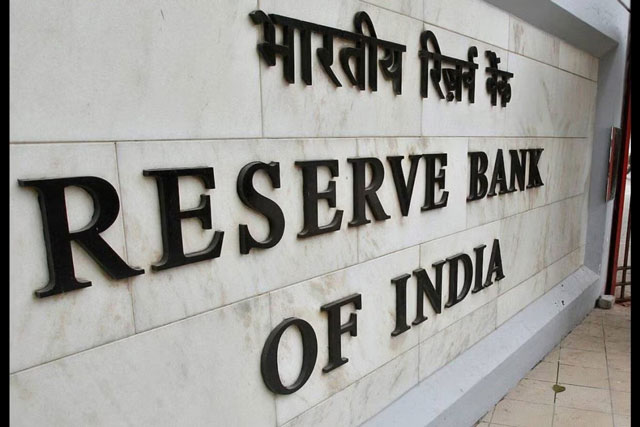
New Delhi, Jun 30: India’s proprietary trading firms and stock brokers are preparing for a major shift in their funding models as new Reserve Bank of India (RBI) rules on bank guarantees come into effect from July 1.
Under the new framework, bank guarantees issued to firms engaged in capital market trading will have to be fully backed by collateral, with at least 50 per cent of the backing maintained in cash. The move is aimed at reducing risks for banks but is expected to restrict leverage, increase funding costs and impact trading capacity of domestic firms.
The change comes amid efforts to control the rapid expansion of India’s derivatives market, which has made the country one of the world’s largest options trading hubs. Proprietary traders accounted for more than half of the options turnover on the National Stock Exchange (NSE) last year, and firms dependent on bank-backed funding are expected to face the biggest impact.
“This is a body blow to the entire domestic prop industry,” said Karthik P, partner at Karna Stock Broking LLP, adding that India’s margin requirements are already among the highest globally and the new rules could significantly reduce trading capacity.
Earlier, firms used bank guarantees to increase their trading exposure against pledged collateral. With guarantees now requiring full collateral support, more capital will remain locked, reducing the funds available for market activities.
Karthik said the effective trading capacity of firms could decline from around 1.7 times to nearly 0.85 times under the new system.
The higher funding costs come after the government’s February 1 increase in securities transaction taxes on equity derivatives, which could further affect returns from activities such as cash-futures arbitrage, options market making and index arbitrage.
Smaller trading firms with limited capital are expected to face greater pressure, while firms with stronger balance sheets or diversified funding sources may be better positioned to adjust.
Brokerages are also likely to revise their funding strategies, with some firms expected to rely more on internal capital or explore alternative sources of finance.
However, foreign high-frequency trading firms operating through the foreign portfolio investor route or Gujarat’s GIFT IFSC are unlikely to be affected by the new rules, according to Tanmay Kurkoti, founder of QCAlpha Advisors.
International trading firms such as Jane Street Group, Citadel Securities, Jump Trading Holdings and Optiver Holding have expanded their operations in India, attracted by the country’s growing options market.
“This norm hits Indian prop desks at brokers far harder than it hits foreign HFTs. The market is underpricing how lopsided that asymmetry is,” Kurkoti said.
He added that foreign firms with Indian operations can also access standby letters of credit from parent companies, giving them an advantage in funding costs compared to domestic proprietary trading firms.
Kurkoti said single-stock trading could be among the biggest casualties as the cost of maintaining inventory may become uneconomical under the new framework.
“As a market maker and a trader, I expect the visible damage to show up by the September quarter,” he said.