Daijiworld Media Network - New Delhi
New Delhi, Jun 13: India’s ethanol blending initiative has entered a new phase of development after successfully achieving nationwide implementation of E20 fuel, with industry experts now calling for greater emphasis on efficiency, diversification and infrastructure expansion to sustain future growth.
According to a report released by KPMG in India, the country’s biofuel sector has reached a significant milestone with the operationalisation of 20 per cent ethanol blending across the nation. The report examines the opportunities and challenges that lie ahead as India seeks to strengthen its ethanol ecosystem beyond the E20 target.
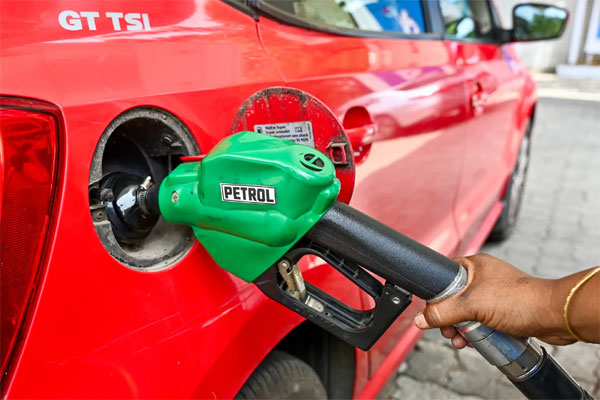
The study notes that while the rapid scale-up of ethanol blending has been a major achievement, the next stage of progress will depend on optimising the entire value chain rather than merely expanding production volumes.
Anish De, Global Head of Energy, Natural Resources and Chemicals (ENRC) at KPMG International, said India has successfully moved beyond the phase of building scale and must now focus on creating a more intelligent and resilient fuel ecosystem. He emphasised that ethanol should evolve from being a policy-driven blending requirement into a core component of the country's long-term transport energy strategy.
The report highlights the need to accelerate the development of second-generation (2G) ethanol, which is produced from agricultural residues and other non-food biomass sources. It also advocates greater use of alternative feedstocks such as maize and crop waste to reduce dependence on conventional raw materials and improve supply security.
Experts caution that maintaining a stable ethanol supply will require addressing several structural challenges, including feedstock availability, balancing food and fuel requirements, pricing mechanisms and logistical constraints across the supply chain.
The report further stresses the importance of coordinated ecosystem development. This includes expanding the adoption of flex-fuel vehicles, strengthening blending and distribution networks, increasing storage capacity and ensuring policy consistency across stakeholders.
Improved transparency, coordination and real-time visibility throughout the supply chain are also identified as critical factors for enhancing operational efficiency and ensuring smoother movement of ethanol from producers to end-users.
Vivek Rahi, Partner and National Head of Oil and Gas at KPMG in India, said the ethanol programme has evolved from a targeted blending initiative into an important pillar of India's transport energy framework. He noted that future priorities should focus on feedstock diversification, flexible fuel demand and large-scale infrastructure alignment.
The report concludes that second-generation ethanol and other non-food feedstocks will play an increasingly important role in meeting future demand while reducing pressure on first-generation ethanol sources. It also underlines the need for modernised storage, transportation and distribution systems capable of supporting multiple fuel grades and higher blending levels.
As India seeks to enhance energy security, reduce crude oil imports and lower carbon emissions, the ethanol sector is expected to remain a key component of the country’s broader clean energy and sustainable mobility strategy.