Daijiworld Media Network - New Delhi
New Delhi, Apr 1: Indian pharmaceutical companies aiming to tap into the booming global biologics market are facing tougher challenges as China strengthens its dominance over biotech supply chains.
Recent trends indicate that Chinese firms have secured more than half of several new project deals from US-based biotech companies, highlighting the growing competitive pressure on Indian players attempting to enter the complex biologics segment.
Unlike the generics sector, where India gained a global foothold through cost efficiency and large-scale production, biologics require advanced research capabilities, high-end manufacturing infrastructure, and specialised talent, significantly raising entry barriers and financial risks.
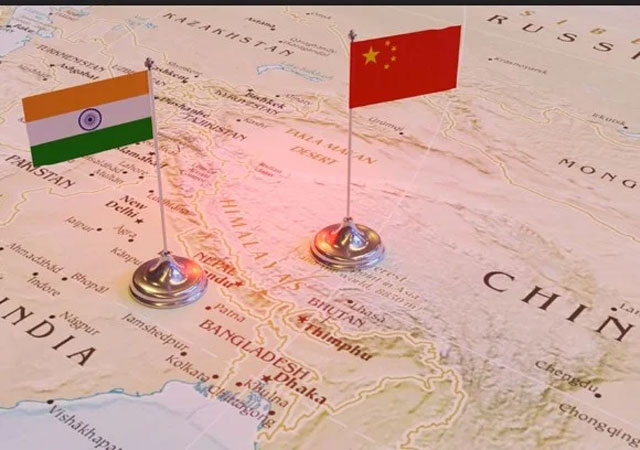
China has rapidly expanded its footprint in the biotech space in recent years. Biologics accounted for nearly 42% of its new drug approvals in 2023, a sharp rise from just 9% in 2015, reinforcing its position in global supply chains for niche and complex therapies.
K V Subramaniam, president of Reliance Life Sciences, noted that China has surged ahead of India in biopharmaceuticals over the past seven years, driven by strong government support, faster regulatory approvals, and clearance of a large backlog of drug applications.
Echoing similar concerns, Tausif Shaikh, India analyst for pharma and healthcare at BNP Paribas, said Chinese firms continue to demonstrate unmatched operational scale, cost competitiveness, and established capabilities, enabling them to win a majority of new US biotech project orders.
According to market research firm IQVIA, around 118 biologics are expected to lose patent protection in the US between 2025 and 2034, creating a global biosimilars opportunity worth approximately $232 billion.
India’s biosimilar exports, currently valued at about $0.8 billion, are projected to grow to $4.2 billion by 2030 and could potentially reach $30–35 billion by 2047, indicating strong long-term potential despite current challenges.
Shreehas Tambe, CEO and MD of Biocon, said India’s biosimilars industry is at a critical juncture, transitioning from cost-driven growth to capability-driven leadership.
However, experts point out that India must address key gaps, including deeper expertise in cell line engineering, stronger intellectual property and legal capabilities, improved market access in the US, and the ability to scale manufacturing for emerging therapies such as cell and gene treatments.
Suresh Subramanian, national lifesciences leader at EY-Parthenon, emphasised that while India has broad capabilities, bridging these gaps will be crucial to securing a meaningful share in the evolving biologics landscape.