Daijiworld Media Network - Washington
Washington, Mar 3: The joint military strike by the United States and Israel on Iran followed Tehran’s assertion that it had the “inalienable right” to enrich uranium, escalating tensions into open confrontation.
US Special Envoy Steve Witkoff told Fox News that Iran had secretly stockpiled 460 kg of uranium enriched to 60 per cent — enough, he claimed, to produce around 11 nuclear bombs.
“The Iranians told us directly… they could make 11 nuclear bombs,” Witkoff said, alleging that talks in Geneva collapsed because Tehran was determined to continue its nuclear and ballistic missile programmes while backing armed groups such as Hezbollah.
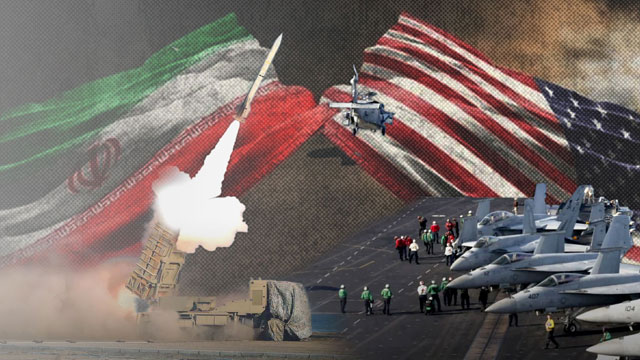
According to Witkoff, Washington had placed three key demands during negotiations: shutting down Iran’s nuclear and missile programmes, ending support to proxy forces like Hezbollah, and removing Iran’s naval threat to ensure freedom of navigation in the region. Iranian negotiators, however, reportedly rejected these conditions, maintaining that their nuclear activities were solely for enrichment purposes.
On Saturday, US and Israeli forces launched missiles and attack drones targeting multiple locations in Tehran, including a compound linked to Supreme Leader Ali Khamenei, who was later confirmed killed.
Iran retaliated with strikes on Tel Aviv and other Israeli cities, along with attacks on US military bases and embassies across West Asia. The escalation also affected civilian and energy infrastructure, including an oil refinery in Saudi Arabia and a luxury hotel in Dubai.
The conflict has raised fears of a broader regional war. Iran’s reported closure of the Strait of Hormuz — a vital route through which nearly 20 million barrels of oil pass daily — has intensified concerns over global energy supplies.
Israel’s Foreign Minister Gideon Sa'ar accused Iran of using negotiations as a cover to transfer nuclear and missile assets to underground facilities, making them harder to target.
US officials, including Witkoff and Vice President JD Vance, questioned Iran’s claim that its enrichment was meant for peaceful medical purposes. “It doesn’t pass the smell test,” Vance said, arguing that heavily fortified underground facilities indicate weapons capability rather than civilian use.