Daijiworld Media Network – New Delhi
New Delhi , Feb 24: For decades, scrub typhus — a potentially fatal bacterial infection — has been considered a “farmer’s disease,” confined to the tall grasses of remote paddy fields or dense forests. But a groundbreaking study from South India has overturned this long-held notion. According to recent research, the infection is increasingly being contracted within human settlements — from backyards to kitchen gardens and even living rooms.
The population-based cohort study, published in PLOS Neglected Tropical Diseases (2026), was led by researchers from Christian Medical College (CMC) Vellore in collaboration with international partners. It monitored over 32,000 individuals in Tamil Nadu and found that the majority of scrub typhus cases now occur in domestic settings rather than in agricultural fields.
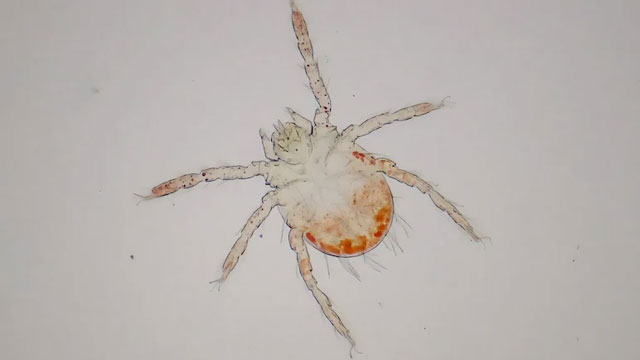
Scrub typhus is caused by the bacterium Orientia tsutsugamushi and transmitted through the bite of larval mites, commonly known as “chiggers.” While these mites were previously believed to inhabit only scrub vegetation, the CMC Vellore study revealed that living in densely packed homes or houses with fewer rooms significantly increases the risk of infection. Unmaintained garden patches, woodpiles, and damp corners around residences have become new breeding grounds for chiggers and the rodents that carry them.
The study also highlighted an unexpected demographic trend. Contrary to the notion of scrub typhus as an occupational disease affecting working-age men, women and elderly individuals (over 60) are now disproportionately affected. Activities around the home, like tending to a kitchen garden, cleaning storage areas, or spending time in shaded outdoor spaces, are emerging as the primary points of contact with infected chiggers.
Scrub typhus carries a heavy economic burden. While early treatment with antibiotics such as doxycycline is effective, delayed diagnosis can lead to severe complications like ARDS, kidney failure, or meningoencephalitis. Nearly 10% of affected households in the study experienced catastrophic health expenditures exceeding 25% of their annual income. For severe cases, treatment costs can soar above INR 110,000 — a significant sum for rural and peri-urban families.
One critical diagnostic clue is the “eschar,” a small, dark scab at the site of the mite bite. Since the bite is painless, it often goes unnoticed. Early detection is crucial: the study reported a case fatality rate of 1.5%, though hospital-based studies in South India have recorded mortality rates as high as 9–30% when treatment is delayed.
The CMC Vellore study emphasises preventive measures that Indian households can adopt:
• Maintain your surroundings: Keep grass short, maintain kitchen gardens, and remove woodpiles or debris that can harbour rodents.
• Avoid ground-level exposure: Chiggers are found close to the ground. Use chairs or mats when sitting outdoors, and ensure children wear socks and full-length trousers.
• Check for eschar: Inspect the skin carefully if anyone develops high fever, especially in warm, moist areas like armpits, groin, or behind the knees.
• Early intervention: Any fever lasting more than two days warrants consulting a qualified doctor and considering scrub typhus testing. Early doxycycline treatment is life-saving.
Scrub typhus is no longer just a rural hazard; it has become a domestic health challenge. As the CMC Vellore study concludes, controlling this infection now depends on vigilance within the home environment. Awareness, they stress, remains the most effective “vaccine” against this silent killer.