Daijiworld Media Network - Dubai
Dubai, Feb 4: Iran has demanded that scheduled talks with the United States later this week be shifted from Turkey to Oman, and insisted that discussions be restricted to bilateral negotiations on nuclear issues only, according to a regional source.
The move adds fresh uncertainty to the diplomatic effort, which was expected to take place on Friday in Istanbul, even as tensions in the Middle East remain high amid a US military buildup in the region.
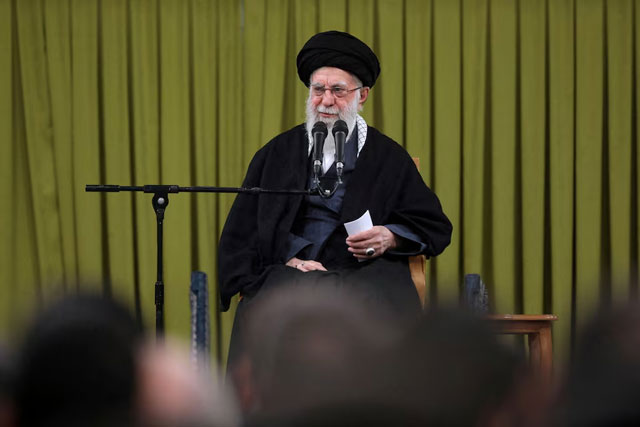
The regional source said Tehran is seeking to narrow both the venue and scope of the talks, arguing that negotiations should focus strictly on the nuclear file. The US, however, has been pushing to include additional issues such as Iran’s ballistic missile programme and its support for proxy forces across the region.
White House press secretary Karoline Leavitt said talks were still expected to go ahead later this week, despite the latest developments.
Iran’s foreign ministry spokesperson, meanwhile, said consultations on the venue were still underway, adding that countries including Turkey and Oman had expressed readiness to host the meeting.
The diplomatic push comes amid heightened friction at sea. The US military said an Iranian drone flying toward the USS Abraham Lincoln aircraft carrier in the Arabian Sea was shot down after it “aggressively approached” the warship.
In a separate incident, US Central Command said Iran’s Islamic Revolutionary Guard Corps (IRGC) harassed a US-flagged tanker in the Strait of Hormuz, with Iranian boats and a drone allegedly threatening to board and seize the vessel. A US Navy warship later escorted the tanker to safety, the military said.
With the possibility of a wider conflict looming, regional powers have urged restraint, warning that the Middle East cannot afford another war. Gulf states, in particular, remain concerned that Iran could target US bases in the region if tensions spiral further.
Reports said Tehran’s insistence on an Oman venue and a nuclear-only agenda reflects its attempt to keep talks tightly focused, even as Washington continues to press for broader concessions.