Daijiworld Media Network – Pathanamthitta
Pathanamthitta, Nov 23: Devotees visiting Kerala's famous Sabarimala Lord Ayyappa temple will face fines of up to Rs 5,000 for dumping clothes, plastic and other waste into the sacred Pamba River, as authorities have introduced strict measures to prevent pollution during the ongoing Mandala-Makaravilakku pilgrimage season.
Sabarimala Additional District Magistrate Dileep K Kainikkara issued a prohibitory order on November 22, banning the disposal of used clothes, garments, fabrics and other personal belongings in the river, its tributaries and bathing ghats. Dumping solid, plastic and biodegradable waste into the river, littering its banks and leaving waste in public places have also been prohibited.
The order, which came into immediate effect, will remain in force for two months. Violators will be liable to pay an on-the-spot fine of up to Rs 5,000. Those who fail to pay the penalty within 15 days will face prosecution and further legal action under the relevant provisions of the law.
The restrictions have been imposed under Section 163 of the Bharatiya Nagarik Suraksha Sanhita (BNSS), 2023, along with provisions of the Kerala Panchayat Raj Act, 1994. The order also provides for action under Section 279 of the Bharatiya Nyaya Sanhita and relevant provisions of the Water (Prevention and Control of Pollution) Act, 1974.
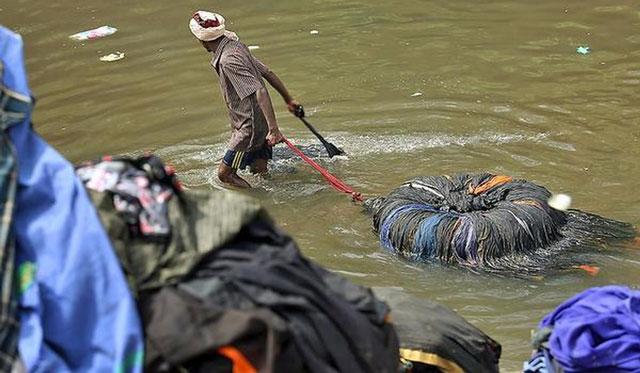
According to officials, inspections revealed large quantities of discarded clothes, plastic and other waste accumulating in the river and along its banks. The practice of devotees leaving behind wet clothes after taking a ritual bath has emerged as a major source of pollution during the pilgrimage season.
The Pamba River is not only considered sacred by Ayyappa devotees but also serves as a major source of drinking water for lakhs of pilgrims and residents in Pamba, Nilakkal and Sannidhanam, besides communities living downstream. Authorities have warned that dumping waste could contaminate drinking water, obstruct the river's natural flow and increase the risk of water-borne diseases.
The Pamba Duty Magistrate, Police Special Officer at Pamba and the Secretary of Ranni-Perunad Grama Panchayat have been authorised to enforce the restrictions, conduct inspections and collect fines from violators.
The administration has also directed that the order be publicised among pilgrims through announcements, display boards and public address systems in different languages to ensure that devotees are aware of the restrictions.
Meanwhile, Kerala Chief Minister V D Satheesan has appealed to devotees to maintain the cleanliness and sanctity of Sabarimala and the Pamba River. In a message posted on X, he urged pilgrims not to throw clothes, plastic or any other waste into the river.
Describing the Pamba as an integral part of the Sabarimala pilgrimage, Satheesan called upon devotees to protect its purity for future generations. His appeal was issued in several languages, including English, Hindi, Tamil, Telugu, Kannada and Malayalam, considering the large number of pilgrims arriving from different parts of the country.
The issue assumes significance during the annual Mandala-Makaravilakku pilgrimage, when millions of devotees visit the hill shrine during the months of November, December and January. The 41-day Mandala pilgrimage season began on November 17 this year.
As part of the traditional pilgrimage, devotees take a ritual bath in the Pamba River before proceeding towards the temple. However, the practice of abandoning used clothes after bathing has contributed to the growing waste problem, prompting authorities to introduce stricter enforcement measures.
Makaravilakku is one of the most important annual festivals at Sabarimala. On Makar Sankranti, devotees gather to witness the Makara Jyothi, a celestial light visible from the hilltop at Ponnambalamedu. The Makaravilakku celebrations attract large numbers of pilgrims from across India, placing considerable pressure on sanitation and waste-management facilities in the region.
Authorities have appealed to devotees to respect the religious significance of the river while ensuring that traditional practices do not contribute to environmental pollution.