Daijiworld Media Network - New Delhi
New Delhi, Nov 9: Extended wearable heart monitoring detected previously undiagnosed heart rhythm abnormalities in half of patients recovering from hospitalisation for an acute exacerbation of chronic obstructive pulmonary disease (COPD), according to a small pilot study.
The findings from the PRECURSOR study suggest that potentially serious cardiac rhythm disturbances may go unnoticed during routine follow-up after a COPD-related hospital admission. However, researchers cautioned that the study does not establish whether patients face an increased risk of arrhythmias after an exacerbation or whether prolonged monitoring simply improves the chances of detecting them.
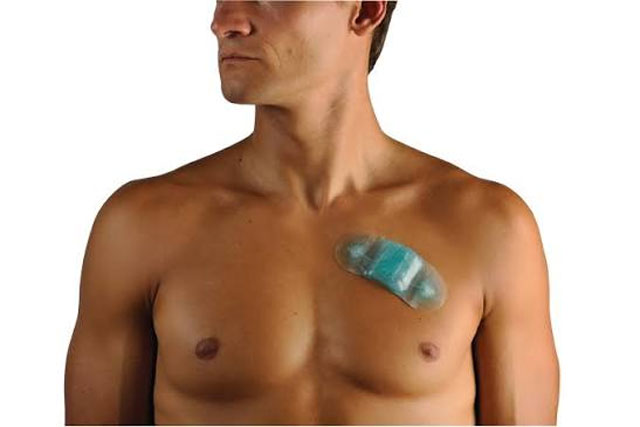
The prospective study, conducted at a single centre, involved 18 adults who had been hospitalised following an acute COPD exacerbation. Participants were monitored remotely using a three-lead wearable electrocardiographic device for a planned period of 21 days. The device continuously recorded heart rhythm, heart rate and respiratory rate and transmitted data and predefined alerts for clinical assessment.
The participants had a mean age of 73 years, and 15 were men. Several had advanced respiratory disease or existing cardiovascular conditions, making the group clinically complex and not necessarily representative of all people living with COPD.
A cardiologist confirmed previously unrecognised arrhythmias requiring therapeutic evaluation or intervention in nine participants, accounting for 50 per cent of the study group. The confidence interval was wide, at 26 to 74 per cent, reflecting the small sample size.
The abnormalities included slow heart rate, third-degree atrioventricular block, newly diagnosed atrial fibrillation and supraventricular tachycardia. Some participants had more than one rhythm disturbance.
Sixteen participants reported being satisfied with the monitoring, indicating that the approach was acceptable to most of those involved. However, researchers noted that patient satisfaction alone does not establish the clinical effectiveness or large-scale feasibility of such monitoring.
The study primarily demonstrates the potential of extended monitoring to detect otherwise overlooked abnormalities. It does not show that wearable devices reduce hospital readmissions, prevent cardiovascular complications or improve survival.
The absence of a comparison group receiving an equivalent period of monitoring also limits conclusions about the specific relationship between recent COPD exacerbations and the detection of arrhythmias.
Researchers said larger studies are needed to obtain more precise estimates, identify patients most likely to benefit and determine whether detecting additional rhythm abnormalities leads to better treatment decisions and improved health outcomes.
The findings provide a basis for further research into targeted heart rhythm monitoring during recovery from COPD-related hospitalisation, rather than supporting routine wearable monitoring for every patient.