Daijiworld Media Network - New Delhi
New Delhi, Nov 7: Women who experience a longer reproductive lifespan or use menopausal hormone therapy may have healthier brain blood vessels in later life, according to a new study published in the medical journal Neurology. The findings highlight a possible link between lifetime exposure to oestrogen and brain ageing, although researchers caution that hormone therapy has not been proven to prevent Alzheimer's disease or dementia.
The study, titled 'Reproductive Lifespan and Hormonal Therapy in Relation to Later-Life Neurovascular Health in Community-Dwelling Older Women', examined 352 women from Gothenburg, Sweden. All participants were around 70 years old and showed no signs of cognitive impairment. Researchers used magnetic resonance imaging (MRI) scans to assess their brain health at age 70 and again five years later, while also examining their reproductive histories and use of hormonal medication.
A woman's reproductive lifespan was calculated from the age at which she experienced her first menstruation to the onset of menopause. Researchers found that a longer reproductive period was associated with a lower burden of cerebral small-vessel disease, which involves damage to the tiny blood vessels supplying the brain.
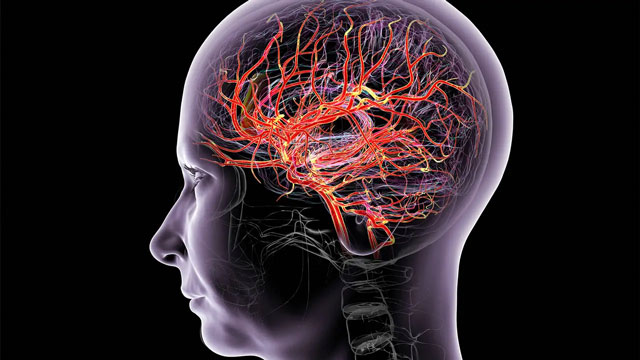
Women who had used menopausal hormone therapy (MHT) also showed fewer signs of certain small-vessel abnormalities, including cerebral microbleeds and perivascular spaces. Hormone therapy use was additionally associated with better white matter integrity. White matter consists of nerve fibres that connect different parts of the brain and enable communication between them.
The study also examined the use of oral contraceptive pills during reproductive years. Women who had used both oral contraceptives and hormone therapy during menopause showed the highest levels of white matter integrity compared with women who had used neither. Researchers suggested that longer or more sustained exposure to oestrogen could be associated with better cerebrovascular health.
Anna Marseglia, senior author of the study and assistant professor at Karolinska Institutet, said the findings raised the possibility that hormonal medication could extend oestrogen exposure beyond natural menopause. However, she emphasised that the research established an association rather than proving that oestrogen directly caused the differences in brain health.
Oestrogen plays several roles in the body that may be relevant to brain health, including regulating inflammation, blood flow and blood vessel function. Researchers are increasingly examining the contribution of vascular damage to cognitive decline, alongside the better-known Alzheimer's-related proteins amyloid and tau.
Neurologist Caroline Just of the Cleveland Clinic told The Washington Post that women with less interrupted oestrogen exposure tended to show better outcomes, adding that changes in oestrogen levels could be relevant to several processes affecting cognitive health.
The findings add to a growing body of observational research examining whether menopausal hormone therapy is associated with a lower risk of dementia and fewer Alzheimer's-related changes in the brain. However, evidence remains mixed, with outcomes potentially influenced by the timing of treatment, the type of hormones used and a woman's overall health.
The researchers acknowledged several limitations. Information about hormone use was partly based on participants' recollections, and detailed records of treatment doses, formulations and the age at which therapy began were not available. Although the study included MRI assessments over five years, researchers did not find significant differences in the rate of change in certain brain measurements during that period.
The findings therefore do not establish that hormone therapy prevents Alzheimer's disease or dementia. Medical organisations do not recommend menopausal hormone therapy solely for brain protection. Its primary use remains the management of menopausal symptoms, with treatment decisions based on individual health circumstances and a discussion of potential benefits and risks.
Marseglia said further research was needed to establish whether the observed associations apply to all women, under what conditions hormone therapy may have an effect and whether the timing of treatment is important.