Daijiworld Media Network – Mumbai
Mumbai, Oct 16: International specialists have developed new clinical recommendations to improve the management of cholangiocarcinoma, a cancer that develops in the bile ducts, with a focus on early treatment decisions, genetic testing and advanced therapies to improve patient outcomes.
Cholangiocarcinoma is an increasingly prevalent malignancy worldwide and is often detected at an advanced stage, contributing to poor survival rates. An international expert panel has outlined evidence-based recommendations covering disease classification, biomarker testing and treatment strategies to address key challenges in patient care.
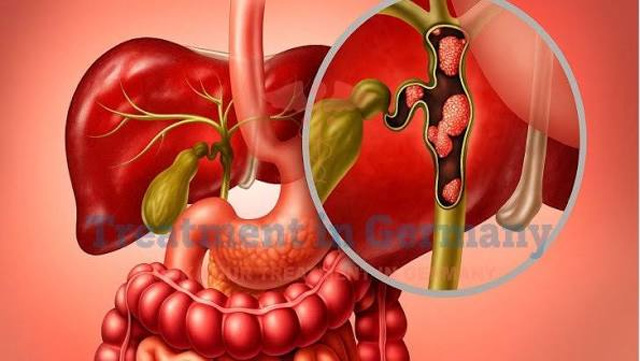
The experts stressed the importance of accurate anatomical classification under ICD-11, distinguishing intrahepatic, perihilar and distal cholangiocarcinoma to guide treatment decisions.
Surgical removal of the tumour remains the only treatment offering curative intent, but only around 20 to 30 per cent of newly diagnosed patients are eligible for surgery. Six months of adjuvant capecitabine is recommended following surgery to reduce the risk of recurrence.
For patients with inoperable disease, early assessment for liver transplantation or locoregional therapies may provide additional treatment opportunities. The panel also recommended multidisciplinary tumour boards for every patient to support coordinated decisions on diagnosis and treatment.
Comprehensive molecular profiling through next-generation sequencing is now considered standard practice for advanced cases, helping identify genetic changes that may respond to targeted therapies. These include IDH1 mutations, FGFR2 fusions, HER2 amplifications and BRAF mutations.
For first-line treatment of advanced disease, combining cisplatin and gemcitabine chemotherapy with immune checkpoint inhibitors such as durvalumab or pembrolizumab has demonstrated improved survival compared with chemotherapy alone. For patients without actionable genetic alterations whose disease progresses, FOLFOX chemotherapy remains an evidence-based second-line option.
The experts highlighted the need for further research into liquid biopsy technologies, greater participation in clinical trials and a better understanding of the tumour immune microenvironment. Developing new drug combinations to overcome acquired resistance and strengthening supportive care were also identified as important priorities.
The consensus statement also recognises the contribution of co-author Dr Rachna Shroff, whose leadership helped advance clinical trials in biliary tract cancers. Her legacy continues through the Conquer Cancer Rachna Shroff, MD, MS, FASCO Endowed Young Investigator Award, which supports early-career researchers working to improve treatment for these cancers.