Daijiworld Media Network - Washington
Washington, Oct 13: A Democratic victory in one or both chambers of the US Congress would not necessarily halt the Trump administration’s efforts to ease regulations for Wall Street banks, cryptocurrency companies and prediction markets, but it could give the party significant powers to investigate these industries and the regulators overseeing them.
Polls suggest Democrats are well positioned to win the House of Representatives and have an advantage in the contest for the Senate. If they secure control of either chamber, Democrats would gain subpoena powers, larger investigative staffs and the authority to summon government agency heads and corporate chief executives to testify, potentially exposing businesses and officials to legal scrutiny.
“Everything that has gone on in the first two years of this administration is fair game for investigations,” Kevin Edgar, a partner at BakerHostetler and former chief counsel of the House Financial Services Committee, told Reuters.
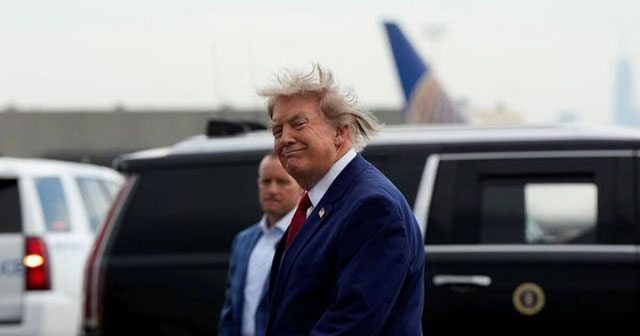
The Trump administration’s financial policy agenda includes reducing regulatory requirements and supervisory scrutiny that it considers burdensome to businesses and economic growth. It has also promoted cryptocurrency and prediction markets as emerging industries capable of encouraging innovation and keeping jobs and capital in the United States.
Democrats are preparing to investigate President Donald Trump’s and his family’s links to the cryptocurrency and prediction-market industries if they win the midterm elections, Reuters has reported. They have raised concerns about potential conflicts of interest arising from these business dealings.
The party has also called for stronger oversight of prediction markets, arguing that the platforms could create opportunities for misconduct and allow people with access to confidential government information to profit from sensitive developments. Prediction-market companies, however, say they maintain strict safeguards against wrongdoing.
Representative Ro Khanna, a Democrat on the House Oversight Committee, told Reuters in a September 30 phone interview that financial and cryptocurrency transactions should be examined to determine whether national security had been compromised.
The cryptocurrency industry is also closely watching the possibility of a leadership contest on the House Financial Services Committee if Democrats regain control of the chamber. Some executives are concerned that Representative Sean Casten could challenge Maxine Waters, the committee’s current top Democrat, for the chairmanship. Punchbowl News reported last month that Casten had considered such a move, although his spokesperson declined to comment.
Casten has advocated investigations into the administration’s cryptocurrency connections and called for stricter regulations. In 2024, he introduced legislation aimed at curbing cryptocurrency tools that he said could facilitate money laundering. He also voted against the industry-backed Clarity Act bill in 2025, arguing that it would expose Americans to risks.
“He is no friend of the industry,” Ron Hammond, head of policy and advocacy at cryptocurrency trading firm Wintermute, told Reuters.
The White House did not respond to a request for comment. A spokesperson had previously told Reuters that Democrats intended to obstruct and unfairly target the president’s agenda. The administration maintains that supporting cryptocurrency and prediction-market innovation will help retain American jobs and investment.
Other potential targets for Democratic investigations include financial regulators who have eased oversight of lenders and reduced enforcement activity. Lawmakers are also expected to examine Wall Street’s role in financing the artificial intelligence boom and the construction of data centres, as well as the financial sector’s influence on housing costs and other affordability concerns.
Senator Elizabeth Warren, the top Democrat on the Senate Banking Committee and a longtime critic of Wall Street, is considered a leading contender to chair the panel if her party takes control of the Senate. She has recently turned her attention to major artificial intelligence companies, arguing that the industry has secured privileged access to the administration and gained influence over policymaking.
Warren and Waters have repeatedly criticised the administration over affordability concerns, including housing, and accused it of weakening consumer financial protections. During her previous tenure as chair of the House Financial Services Committee, Waters summoned the chief executives of major US banks to testify on a range of issues. She is widely expected to renew such hearings if she regains the position.
A spokesperson for Warren declined to comment, while Waters’ spokesperson did not immediately respond to a request for comment.
Congressional investigations are already taking shape, according to Kevin Barstow, an attorney at O’Melveny who previously handled investigations while working in the Biden administration. He said some clients had received letters concerning various issues, including their interactions with the Trump administration, and that preparations were underway for inquiries that could become formal investigations.
Meanwhile, Trump’s financial regulators have been offering major capital relief to Wall Street banks, drawing criticism from Democrats during congressional hearings defending the administration’s policies.
Although agency heads, particularly those serving on bipartisan boards and commissions, may continue implementing the administration’s agenda, Democratic oversight could force them to proceed more cautiously on contentious issues. Responding to congressional inquiries and preparing officials for testimony can consume considerable time and divert attention from policy priorities.
For companies, congressional scrutiny can bring substantial legal and advisory costs, but reputational damage from unfavourable headlines may pose an even greater risk, lawyers and analysts said.
Last week, shares of online trading platform Webull fell to a nearly four-month low after a congressional panel released a report examining the company’s links to China. Corporate executives appearing before lawmakers can also face intense questioning that may lead to business changes or further consequences.
Major banks, for instance, have modified overdraft fees and fraud protections following previous congressional testimony. Former Wells Fargo chief executive John Stumpf resigned in 2016 after facing scrutiny during hearings into the bank’s fake accounts scandal.
“The biggest risks are headline risk and reputational,” Brian Gardner, chief Washington policy strategist at Stifel, told.