Daijiworld Media Network - Mumbai
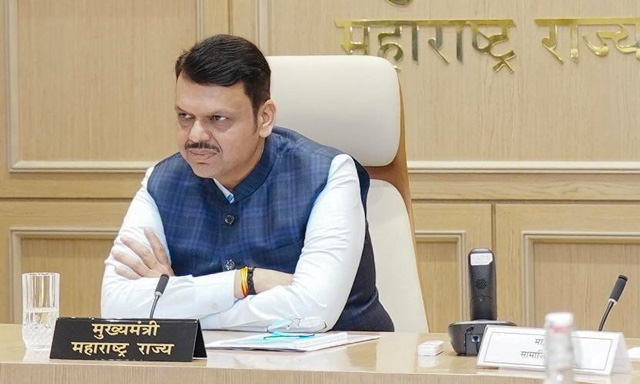
Mumbai, Oct 6: The Maharashtra Cabinet, chaired by Chief Minister Devendra Fadnavis, on Tuesday approved seven major decisions concerning police personnel, higher education, students, hostel employees and the Wadar community.
One of the key decisions was the introduction of the ‘Chief Minister’s Gallantry Medal’ for police officers and personnel who display exceptional courage while performing their duties. Those selected will receive a cash award of Rs 50,000, a medal and a certificate of appreciation. A three-tier committee system will be established to select the recipients based on their performance during the year. For the first awards, achievements from January 1, 2026, onwards will be considered. The medals will be announced annually on the eve of Maharashtra Day and presented by the Chief Minister.
The Cabinet also approved increased concessions in royalty on minor minerals for members of the Wadar community engaged in traditional stone breaking and excavation. The annual excavation limit has been increased from 200 brass to 500 brass. The Maharashtra Land Revenue Rules, 1968, will be amended to implement the decision.
In the higher and technical education sector, the Cabinet approved the CM SRISTHI (Scheme for Research, Innovations and Technological Hubs in Higher Education Institutions) initiative to promote innovative technologies and research. The scheme will be implemented through public universities, government higher and technical education institutions, government polytechnics, the Institute of Chemical Technology (ICT), Mumbai, the College of Engineering and Technology University, Pune, and Dr Babasaheb Ambedkar Technological University at Lonere in Raigad.
The Cabinet also approved a comprehensive compensation policy for unnatural deaths in police custody. The policy aims to ensure timely financial assistance to the legal heirs of people who die unnaturally while in police custody.
Another decision approved an increase in the honorarium of employees working in aided hostels run by voluntary organisations under the Social Justice Department. The increase will benefit employees working as superintendents, cooks, assistants and watchmen across around 2,388 aided hostels in the state.
The Cabinet also approved an increase in assistance under the Bharat Ratna Dr Babasaheb Ambedkar Swadhar Yojana. The scheme provides support to Scheduled Caste and neo-Buddhist students who are eligible for government hostels but do not secure admission. The revised assistance will cover food, accommodation and educational requirements of students studying in Classes 11 and 12 as well as professional and non-professional courses after Class 12.
In addition, the Cabinet approved changes to allowances under the Pandit Deendayal Upadhyay Swayam Yojana for Scheduled Tribe students. The changes are aimed at revising the financial assistance provided to eligible students under the scheme.
The seven decisions span the Home, Revenue and Registration, Higher and Technical Education, Social Justice and Tribal Development departments, among others.