Daijiworld Media Network - New Delhi
New Delhi, Oct 5: Chickenpox is a common and highly contagious viral infection that primarily affects children. While it is generally not as severe as smallpox, it can sometimes lead to complications, particularly in vulnerable individuals.
According to the World Health Organisation's 2025 report, around 8.67 crore cases of chickenpox were recorded worldwide in 2021, resulting in 13,931 deaths.
The risk of infection and complications can be reduced through vaccination, good hygiene and avoiding close contact with infected people.
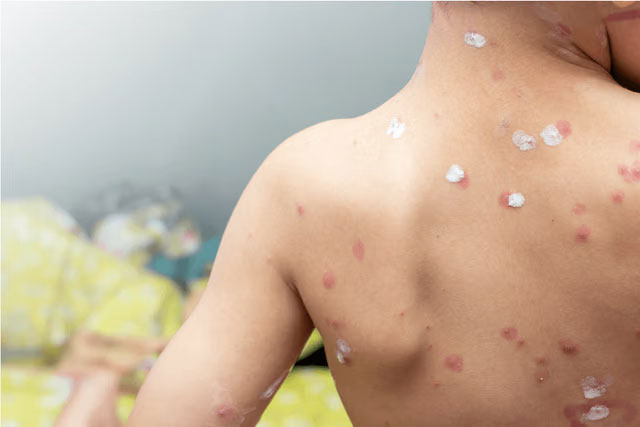
Senior Consultant in Internal Medicine at Apollo Spectra Hospital, Jaipur, Dr Rohit Sharma, explains the symptoms, risks, treatment and preventive measures associated with chickenpox.
What is chickenpox?
Chickenpox is a highly contagious viral infection caused by the varicella-zoster virus (VZV). It usually causes small red rashes and fluid-filled blisters on the body, accompanied by fever. The rashes can cause intense itching and a burning sensation.
The infection spreads through close contact with an infected person.
How common is chickenpox among children in India?
At the beginning of the year, Kerala alone recorded 8,851 chickenpox cases within nearly two months, with most of those affected being children.
While this indicates that chickenpox is common among children, there is no precise national figure available on the number of children who contract the infection in India every year.
Is there a vaccine for chickenpox?
Yes. The varicella vaccine is available to prevent chickenpox. It helps protect against the infection and its potentially serious complications. The number and timing of doses depend on the individual's age and medical circumstances and should be decided in consultation with a doctor.
Is the chickenpox vaccine part of India's National Immunisation Programme?
No. The varicella vaccine is not currently part of the National Immunisation Programme. However, it is available in the private market and children can be vaccinated on a doctor's advice.
Why is the chickenpox vaccine not part of the National Immunisation Programme?
The inclusion of a vaccine in the national immunisation programme is not determined solely by how common a disease is. The government also considers factors such as the overall public health burden and severity of the disease.
Chickenpox is generally not considered as serious or life-threatening as diseases such as polio, measles, tetanus and diphtheria. Therefore, the vaccine is not included in the national programme.
What are the symptoms of chickenpox?
Symptoms usually develop around 10 to 21 days after exposure to the virus. Early symptoms can include fever, tiredness and loss of appetite.
Red rashes then appear on the body and develop into itchy, fluid-filled blisters. The blisters eventually dry up and form scabs.
Does chickenpox go away on its own?
Chickenpox generally resolves within one to two weeks. However, medical advice should be sought if a child develops fever or rashes, particularly if the symptoms are severe or unusual.
The doctor's advice should be followed, and contact with other members of the household should be minimised to prevent the infection from spreading.
What precautions should be taken if a child develops chickenpox?
Maintaining good hygiene is important during the infection. The child should get adequate rest and sleep, drink plenty of fluids and avoid scratching the blisters, as scratching can increase the risk of skin infection and scarring.
Medication should not be given without consulting a doctor.
What should a child eat and drink during chickenpox?
The child should be given plenty of fluids along with light, nutritious and easily digestible food.
Suitable options include khichdi, dal and rice, porridge, milk, yoghurt, fruits such as bananas and papayas, and coconut water.
Spicy and sour foods, fried food, outside food and foods traditionally considered "hot" in nature may be avoided if they worsen discomfort or are poorly tolerated.
Can chickenpox become serious?
Chickenpox is usually mild in children, but complications can occur in some cases. Immediate medical attention should be sought if the child develops severe or worsening symptoms, breathing difficulty, persistent vomiting, confusion, unusual drowsiness, severe headache or other signs of serious illness.
Can other members of the household contract chickenpox?
Yes. People who have never had chickenpox or have not been vaccinated are at greater risk of infection.
An infected person can spread the virus from around one to two days before the rash appears until all the blisters have dried and formed scabs.
Who is at greater risk of chickenpox complications?
Although anyone can contract chickenpox, certain people are at greater risk of severe disease and complications. This includes adults, pregnant women, newborns and people with weakened immune systems.
Is it safe to take antibiotics without a doctor's advice?
No. Antibiotics should not be taken without a prescription. Chickenpox is caused by a virus, while antibiotics are used to treat bacterial infections.
Any medication for chickenpox or its complications should be taken only on a doctor's advice.
When should children receive the chickenpox vaccine?
According to the Indian Academy of Pediatrics, children should receive two doses of the varicella vaccine.
The first dose is generally recommended at 12 to 15 months of age, while the second dose is given at four to six years of age.
One dose provides substantial protection against chickenpox, while protection is higher after the second dose. If the first dose was administered late, a doctor can determine the appropriate catch-up schedule based on the child's age and vaccination history.
Can chickenpox occur even after vaccination?
Yes. Chickenpox can occasionally occur even after a person has received both recommended doses. This is known as a breakthrough infection.
In vaccinated individuals, the infection is generally milder, with fewer blisters and less severe symptoms.