Daijiworld Media Network – Mangaluru (NJC)
Mangaluru, Sep 7: NRI entrepreneur and philanthropist Dr Ronald Colaco has called for the formation of a ‘Coastal Development Task Force’ to accelerate the development of the undivided Dakshina Kannada district, comprising Dakshina Kannada and Udupi districts.
He was delivering the keynote address at the silver jubilee celebrations of the Jayashree Krishna Parisara Premi Samiti held at the Town Hall in Mangaluru.
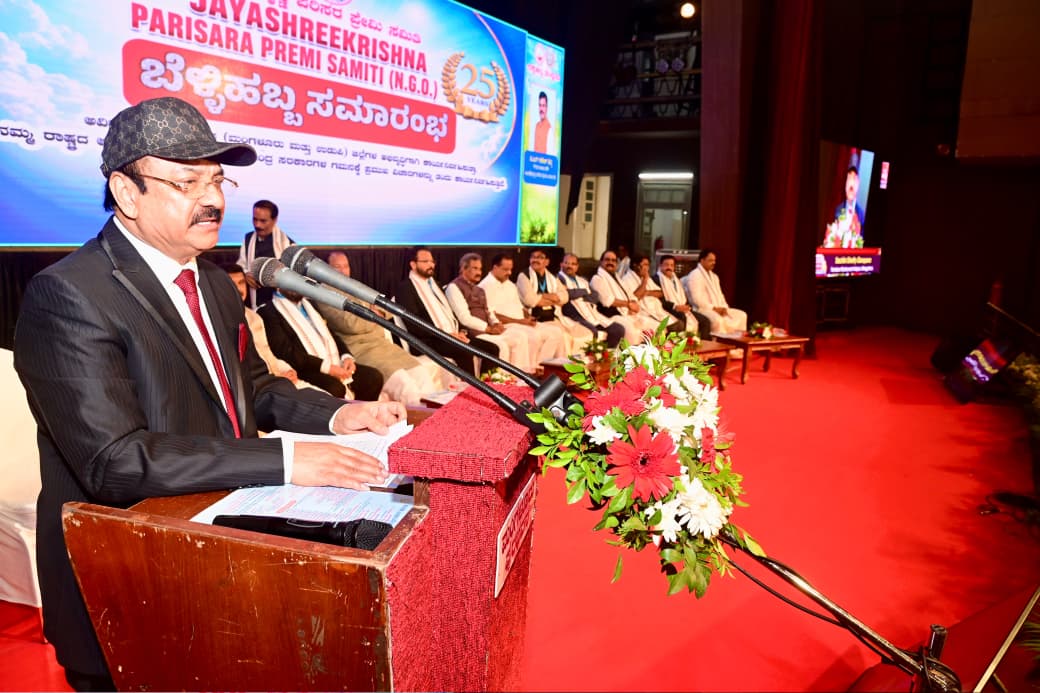
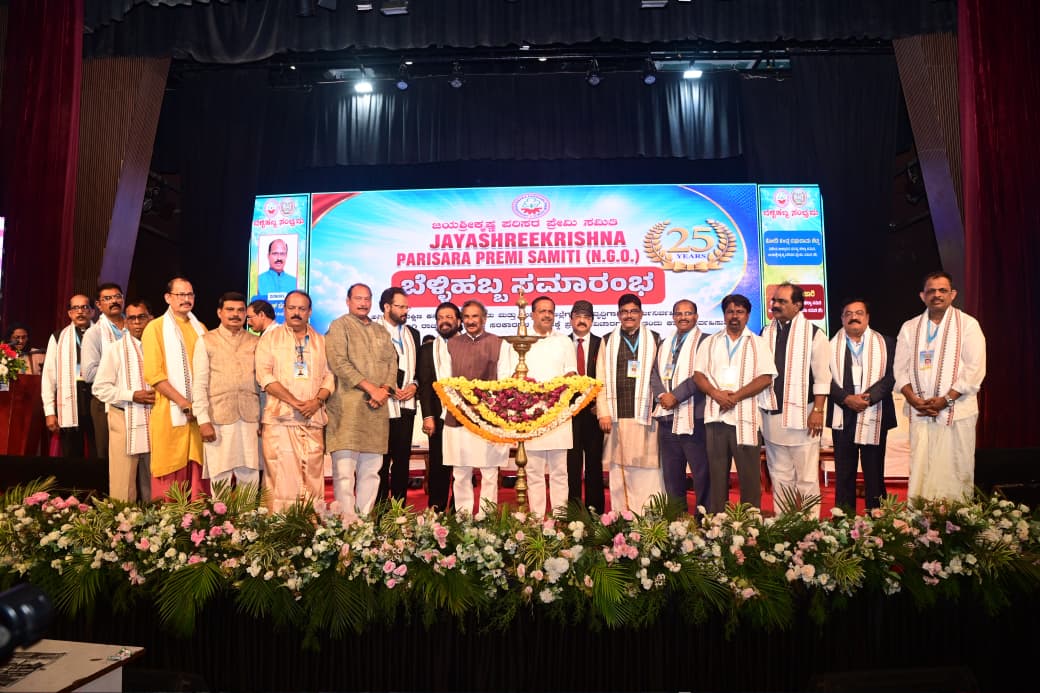
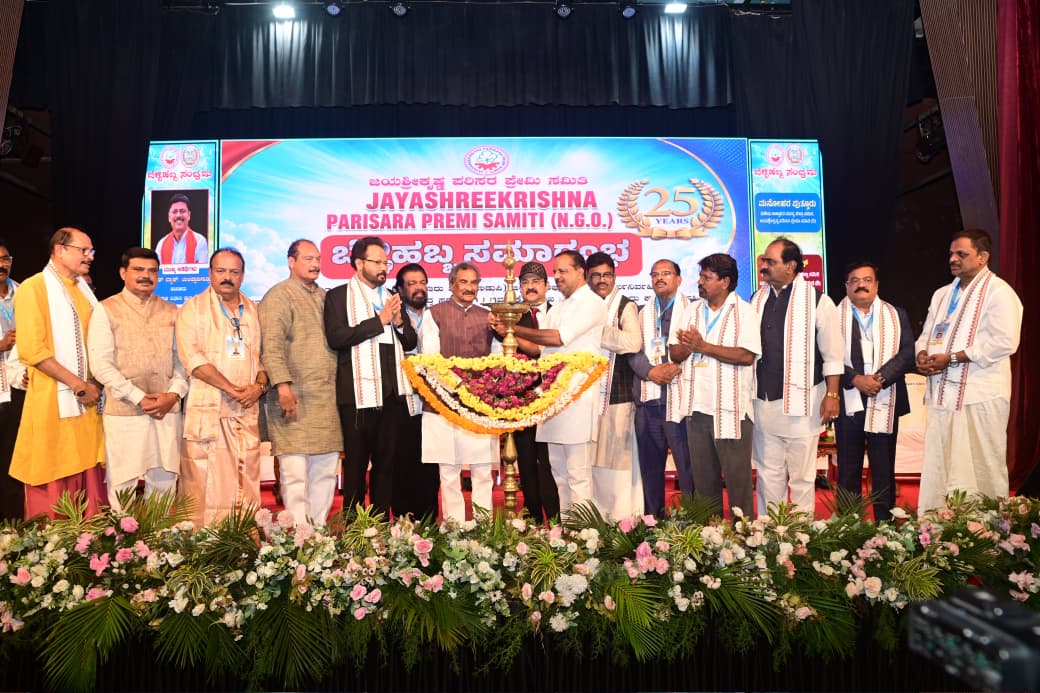
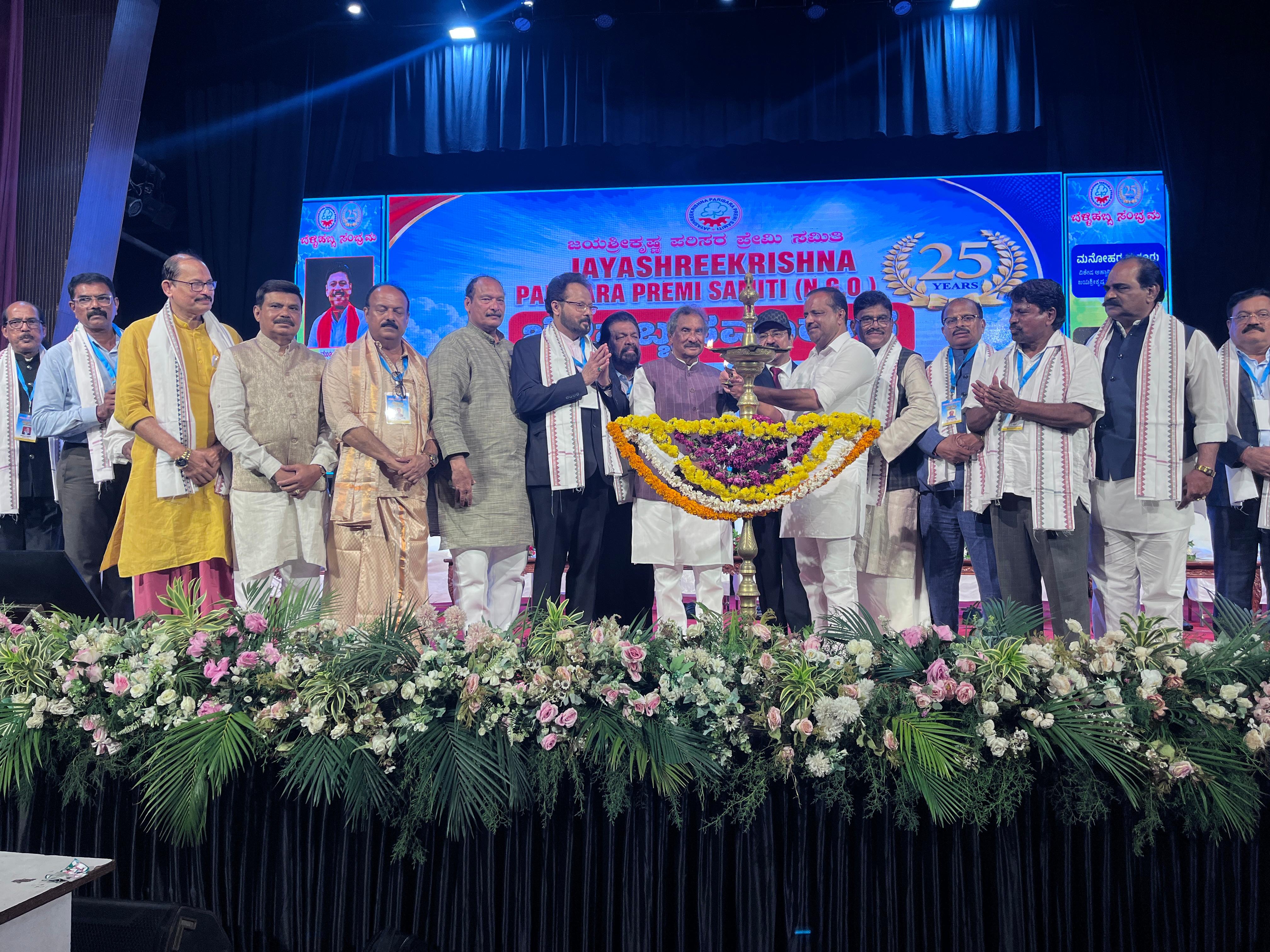
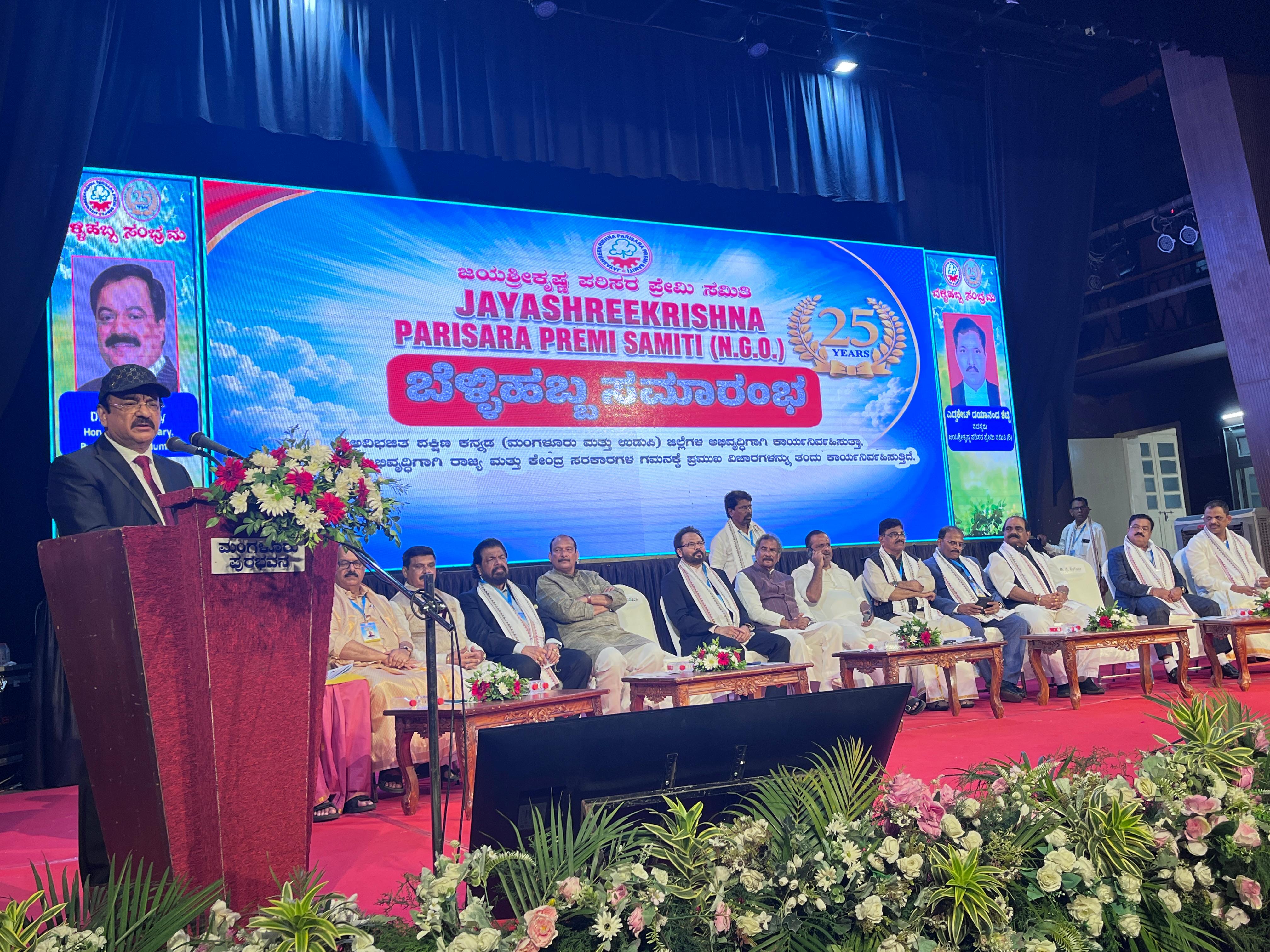
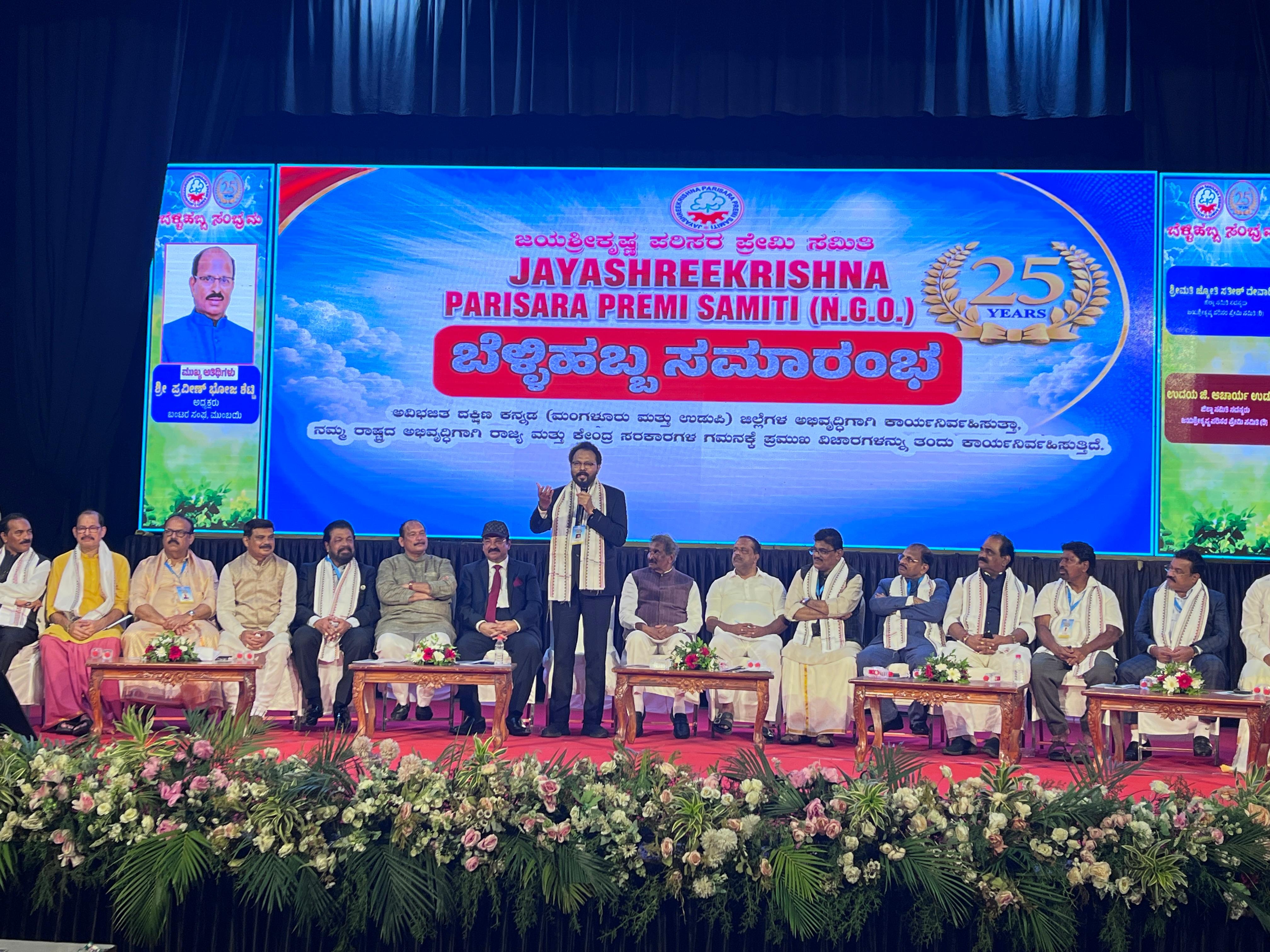
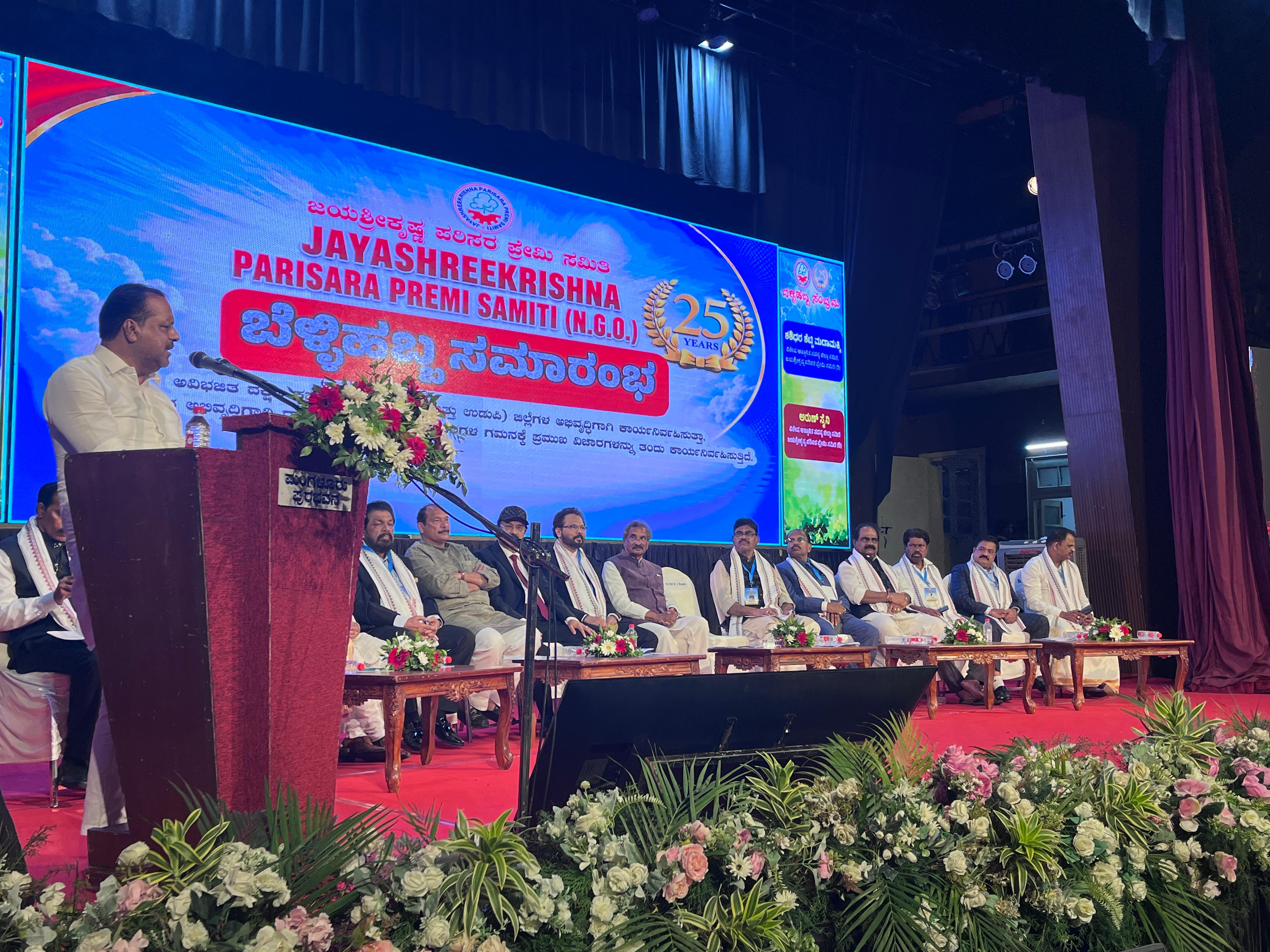
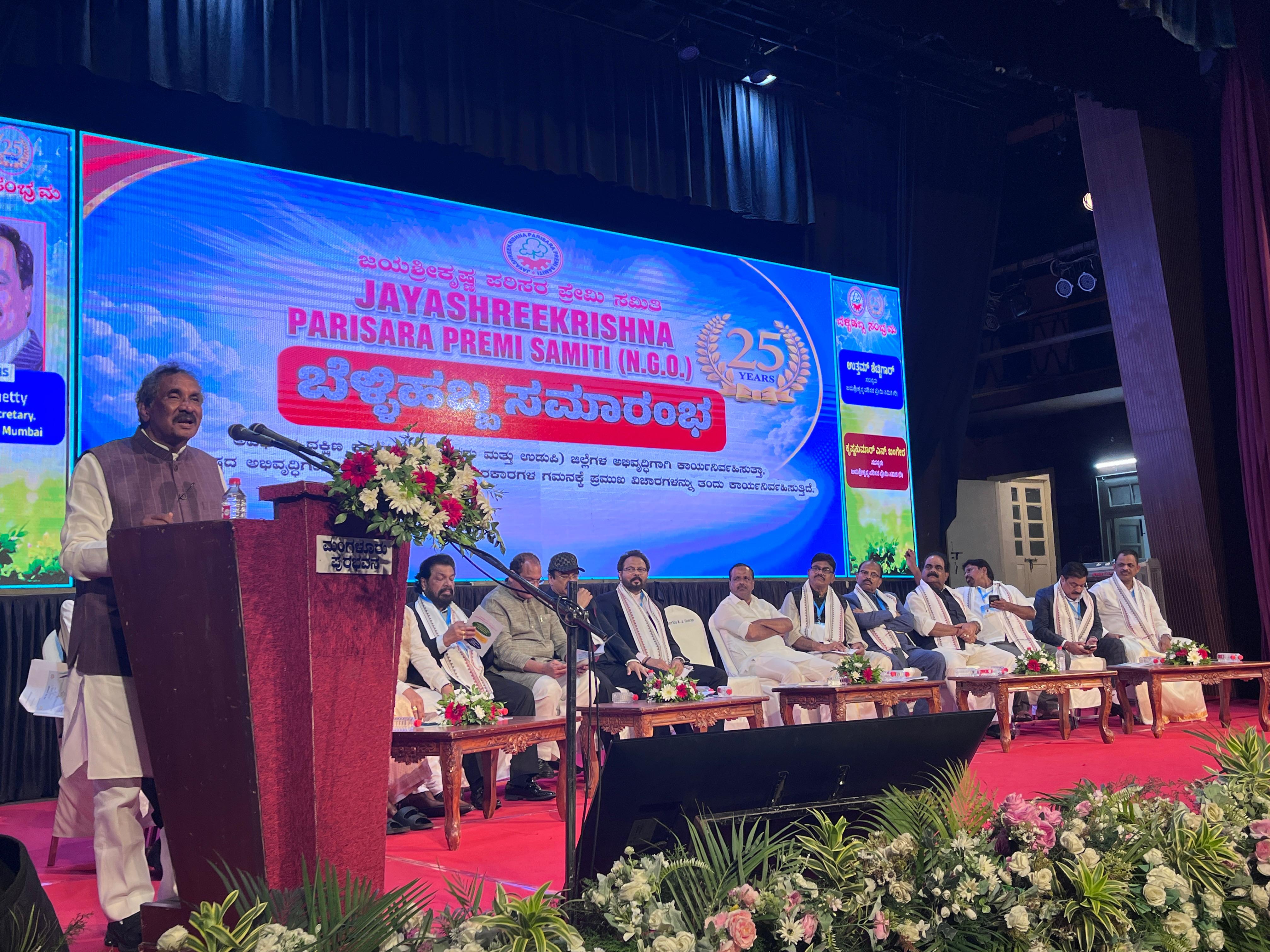
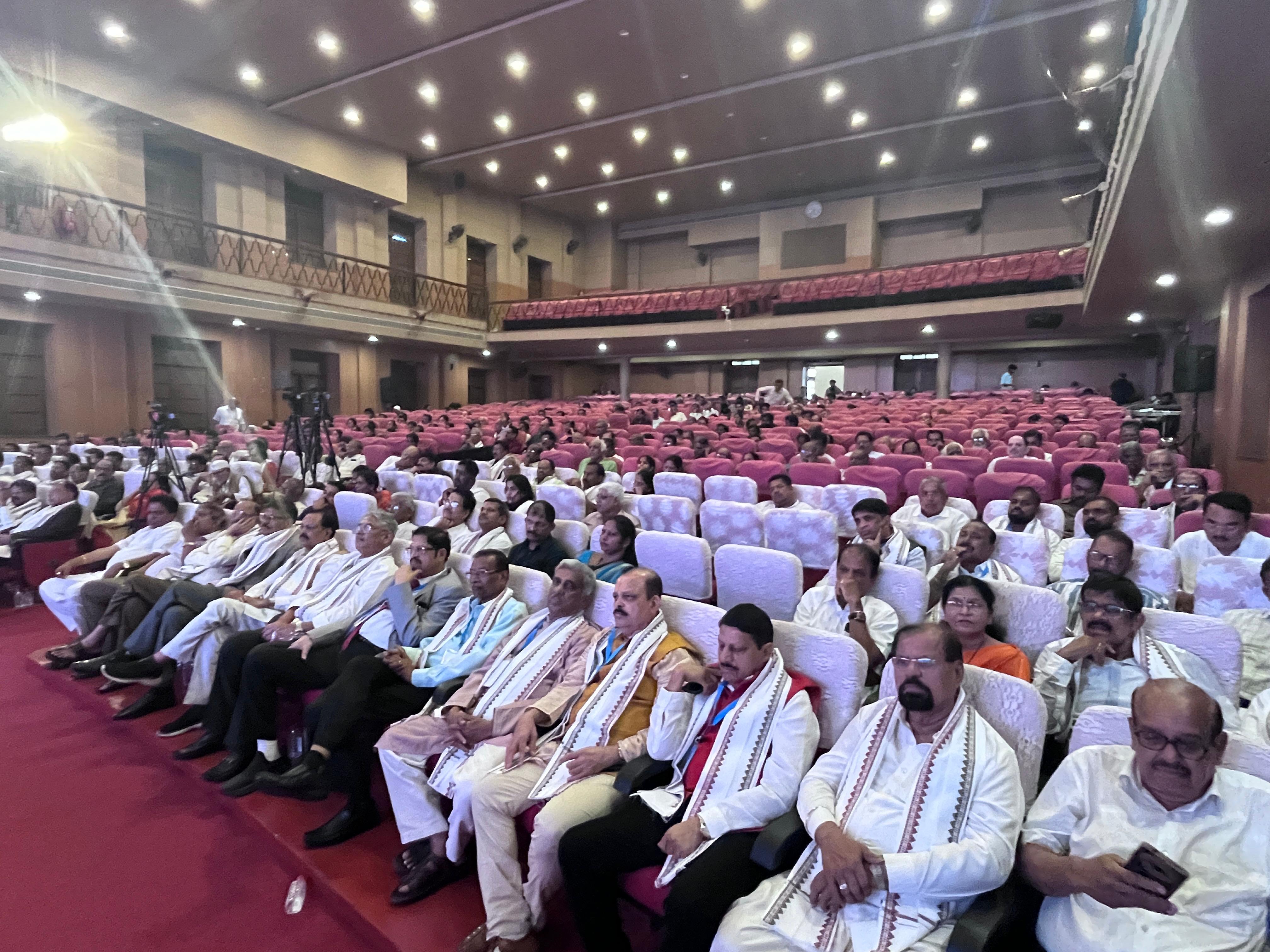
He said that the Samiti was established on the principle that development and environmental protection are not contradictory; both must go hand in hand. Recalling the circumstances that led to the organisation’s formation, he referred to the opposition faced by industrial projects in the coastal region several years ago. The Samiti, he said, adopted a balanced approach that supported development while insisting on appropriate environmental safeguards.
Dr Colaco particularly appreciated Jaya Krishna Shetty for supporting industrial development without seeking personal or commercial benefits. He recalled the proposed Nagarjuna power project, involving an investment of around Rs 5,000 crore, and said the Samiti extended its support while emphasising pollution control and environmental protection.
He noted that Shetty had even pledged that he would not seek contracts or other personal benefits from the project. This, he said, demonstrated that his objective was the development and prosperity of the region rather than personal gain.
The Samiti had also played a role in advocating infrastructure development, including improved railway connectivity and airport expansion. The Dr Colaco described these efforts as significant contributions towards the region’s long-term development.
A vision for Coastal Karnataka
Looking towards the future, the Dr Colaco said the coastal region comprising Dakshina Kannada, Udupi and Uttara Kannada districts should be developed as a strong and integrated economic and tourism destination.
“Coastal Karnataka has everything needed to become a major international destination,” he said, pointing to the Arabian Sea, the Western Ghats, rivers, beaches, islands, forests and other natural attractions.
He also highlighted the region’s rich cultural and religious heritage, including ancient temples, churches, mosques and Jain monuments, as well as its distinctive customs, traditions, festivals and cuisine.
The region, he said, already possesses strong connectivity through airports, seaports, railways and highways. It also has reputed educational institutions, professional and medical colleges and advanced healthcare facilities.
According to him, coastal Karnataka can develop a wide range of tourism and commercial activities, including beach resorts, international hotels, convention and wedding destinations, marinas, waterfront developments, eco-tourism and wellness resorts, medical tourism, water sports, cruise tourism and coastal and river transport.
He also proposed the development of high-quality restaurants, shopping and entertainment districts, logistics and warehousing hubs, food-processing and fisheries industries, export-oriented businesses, IT and technology companies, healthcare and education services, financial services and international trading businesses.
Need for a Coastal Development Task Force
Calling for a comprehensive long-term vision, the Dr Colaco proposed the creation of a Karnataka Coastal Tourism and Commercial Development Task Force.
The task force, he suggested, should bring together experienced bureaucrats from the state and national levels, town planners, architects, tourism experts, industrialists, entrepreneurs and other specialists. International experts and professionals could also be consulted to study successful development models from other countries.
He stressed that the task force should not become unnecessarily large, but should consist of people with the expertise and experience required to make effective decisions.
Faster approvals and less bureaucratic delay
The Dr Colaco expressed concern over delays in obtaining government approvals for development projects.
He said that while other destinations were able to process applications and provide approvals within a short period, projects in the coastal region often faced prolonged bureaucratic procedures.
“If development has to happen, it has to happen quickly,” he said, arguing that unnecessary delays discourage investment and prevent the region from reaching its economic potential.
He said the government should establish clear zoning regulations and transparent approval procedures so that investors and developers know exactly what is permitted and what environmental conditions must be followed.
At the same time, he clarified that he was not advocating uncontrolled development.
“I am not against environmental protection, and I will not support irresponsible development. Development and environmental protection must go together,” he said.
Development with environmental responsibility
The Dr Colaco argued that environmental concerns should be addressed through proper planning rather than by automatically opposing every development proposal.
He said suitable land could be identified and planned for hotels, apartments and tourism facilities while maintaining adequate green spaces, forests, parks and tree cover.
He also emphasised the importance of basic infrastructure, particularly uninterrupted electricity and reliable water supply, for attracting investment.
If these facilities and systems were developed properly, he said, coastal Karnataka could attract investment from across India and around the world.
Benefits for local communities
The Dr Colaco stressed that development should ultimately improve the lives of local people.
Investment and industrial growth, he said, would create employment, increase government revenue, generate opportunities for entrepreneurs and strengthen both the regional and national economy.
He said development should not be viewed merely as construction of buildings or creation of commercial projects. It should improve the standard of living of local communities and create better opportunities for future generations.
Addressing concerns raised by environmental activists, he said the impact of planned development should be assessed in terms of how it could improve the future of local people and their children while maintaining environmental safeguards.
Tourism as an economic engine
The Dr Colaco said coastal Karnataka should not be viewed merely as a narrow geographical belt. Instead, Dakshina Kannada, Udupi and Uttara Kannada should be developed as an integrated economic region.
He envisioned a coastal belt capable of attracting international tourists, global investors, entrepreneurs and businesses.
With its beaches, forests, rivers, cultural heritage, religious sites, educational institutions, healthcare facilities, ports, airports and road and rail connectivity, the region, he said, has the foundations required to become a globally recognised destination.
He also called for greater opportunities in homestays, hotels, tourism infrastructure, search-and-rescue facilities, water sports and other visitor-oriented services, particularly in areas of religious, cultural and ecological importance.
Development beyond caste and community
Concluding his remarks, the Dr Colaco emphasised the importance of social harmony.
He said that caste, class, religion and other divisions were created by human beings and that all people are fundamentally equal.
Economic development, he said, should therefore benefit people across communities without discrimination.
The larger objective should be to create a prosperous, environmentally responsible and inclusive coastal Karnataka where tourism, industry, infrastructure and local communities can grow together.
The Dr Colaco expressed hope that the government would take stronger and more decisive initiatives to unlock the enormous potential of Karnataka’s coastal region and transform it into a major national and international economic and tourism destination.
Watch video: