Daijiworld Media Network - Mumbai
Mumbai, Aug 30: The Maharashtra government has issued two Government Resolutions (GRs) aimed at addressing key demands of tribal students, including concerns over deaths in government and aided ashram schools and the food system in government hostels.
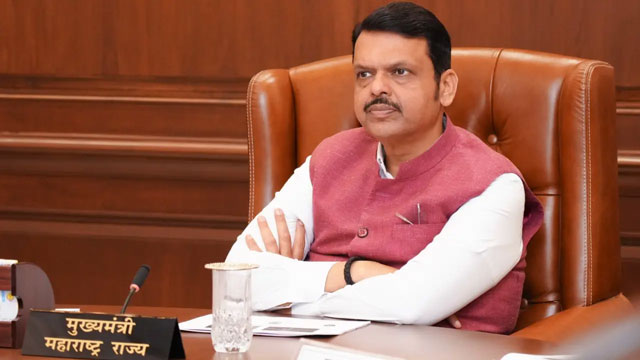
The two GRs were issued on August 29 following a meeting chaired by Chief Minister Devendra Fadnavis with representatives of Scheduled Tribe organisations and students. The decisions came after tribal students had been protesting for 17 days over various demands concerning education, hostels, infrastructure, recruitment and welfare.
Under the first GR, the Tribal Development Commissioner, Nashik, has been directed to examine recommendations made by committees and other reports concerning deaths of students in government and aided ashram schools and prepare a time-bound action plan for implementing the recommendations.
The decision followed concerns raised by representatives of Scheduled Tribe organisations and students during the August 29 meeting regarding the deaths of students in ashram schools over the past two years.
The representatives also sought time-bound implementation of recommendations made by the committee headed by retired Director General of Health Services Dr Subhash Salunkhe and other relevant committees.
Maharashtra has 500 government and 556 aided ashram schools functioning under the Tribal Development Department. Students in these institutions have died from various causes, including snakebites, illnesses and accidents.
A technical committee headed by Dr Subhash Salunkhe was constituted in 2016 to examine the causes of student deaths and recommend measures to prevent such incidents. The committee submitted its report in October 2016.
As per the latest GR, the Tribal Development Commissioner will examine the Salunkhe committee report, other relevant reports and significant court judgments concerning the issue.
The commissioner will identify recommendations that require action and prepare a time-bound implementation plan for approval by the state government.
Once the plan receives government approval, the concerned authorities will have to implement it within three months. An Action Taken Report (ATR) will subsequently have to be submitted to the government.
The second GR concerns the food arrangements for Scheduled Tribe students staying in government hostels.
The state government has approved the replacement of the existing Direct Benefit Transfer (DBT) system for food with mess facilities in government hostels located in “A”, “B” and “C” class municipal corporations, divisional cities and district-level areas.
The Tribal Development Department operates around 490 government hostels across Maharashtra for Scheduled Tribe students pursuing secondary, higher secondary and higher education.
Since 2018, students in these hostels have been receiving food assistance through the DBT system, under which money is transferred directly to their Aadhaar-linked bank accounts.
Tribal students had repeatedly demanded that the DBT arrangement be replaced with mess facilities, similar to the system followed in hostels at taluka and rural levels.
The demand was again raised during the August 29 meeting with Chief Minister Fadnavis, following which the government approved the change.
Under the new arrangement, the respective Additional Commissioners of Tribal Development have been directed to complete the process of awarding contracts for providing food in the hostels within three months.
The process will follow the procedure already adopted for mess facilities in taluka and rural-level hostels.
The government has also specifically directed officials to ensure a smooth transition from DBT to the mess system.
There should be no gap between the withdrawal of the DBT food assistance and the commencement of mess services, so that students do not face any disruption in access to food.
The decisions were among the key assurances given to protesting tribal students after the government intervened in their prolonged agitation.
The students had raised several demands relating to the functioning of tribal hostels and ashram schools, including better infrastructure, food facilities, recruitment to vacant posts and stronger safety measures for students.
Reports said the students ended their 17-day hunger strike after the government issued written assurances and the two GRs. Tribal students, however, indicated that they would monitor implementation of the assurances and could resume their agitation if the promised measures were not carried out within the stipulated timelines.
The government’s decision on the mess system addresses one of the major grievances of students, who had argued that the DBT arrangement did not adequately address their food requirements. The move brings the concerned urban and district-level hostels closer to the mess-based system already followed in taluka-level facilities.
The two GRs are expected to provide a structured timeline for addressing concerns over student safety in ashram schools and improving food arrangements for tribal students across Maharashtra.