Typhoid fever continues to be a common concern across India, particularly during and after the monsoon months. When prolonged fever, headache and abdominal discomfort suggest typhoid, doctors often order a blood test that has been used for decades to detect the antibodies produced against the bacteria responsible. While the test itself is straightforward, a few sensible steps in the hours before sample collection can help ensure the result is reliable and easier to interpret. The Widal test is affordable, widely available and used across primary care settings, but its interpretation depends on the timing of testing, local baseline antibody titres, clinical findings and other investigations. Understanding what to do and what to avoid before testing supports a smoother experience and more useful results.
What Is the Widal Test?
The Widal test is a serological blood test that detects antibodies against Salmonella typhi and Salmonella paratyphi, the bacteria that cause typhoid and paratyphoid fevers. It looks specifically for two types of antibodies, O antibodies against the bacterial body and H antibodies against the bacterial flagella.
The Widal test does not detect the bacteria themselves. It measures the body's immune response, which usually becomes visible about a week after symptoms begin. This is why timing plays such an important role in the reliability of the result.
Do's Before the Test
A few positive steps before the test can improve accuracy and comfort.
1. Confirm the Timing With Your Doctor
The test is most useful when performed after the first week of fever. Testing earlier may miss the antibody response and return a false negative.
2. Share Your Full Medical History
Let the doctor or laboratory know about any recent typhoid infection, past typhoid or typhoid vaccination. All these can affect antibody levels and change how the result is read.
3. List All Current Medications
Antibiotics started before the sample is collected can lower antibody levels and produce misleading results. Share all recent prescriptions and over-the-counter medications.
4. Stay Well Hydrated
Drinking enough water before the blood draw makes veins easier to access and the sample easier to collect. Comfortable hydration also reduces dizziness during the procedure.
5. Consider Paired Testing
Where possible, doctors may order a second Widal test 7 to 10 days after the first to look for a rising antibody titre. A fourfold rise is a much stronger sign of active infection than a single positive value.
Don'ts Before the Test
Certain habits and decisions can make interpretation less reliable.
1. Do Not Start Antibiotics on Your Own
Beginning antibiotics before the test can suppress antibody production and cause a false negative. Do not start antibiotics without medical advice, as they may affect the interpretation of test results
2. Do Not Rely on a Test Done in the First Few Days of Fever
Testing too early often produces unreliable results. If the fever has only just begun, wait for the recommended timing or discuss earlier alternatives such as blood culture.
3. Do Not Interpret Results on Your Own
A single positive Widal reading does not confirm typhoid. Previous infection, vaccination or cross-reactivity with other infections can raise antibody levels. Always let a qualified medical professional interpret the result.
4. Do Not Skip Sharing Vaccination History
Recent typhoid vaccination can raise antibody titres for weeks or months. Failing to mention this can lead to misdiagnosis and unnecessary treatment.
5. Do Not Assume a Negative Result Rules Out Typhoid
A negative Widal result during the first week of illness does not exclude typhoid. Timing matters and further tests or repeat sampling may be needed.
How the Test Is Performed
The test itself is quick and straightforward:
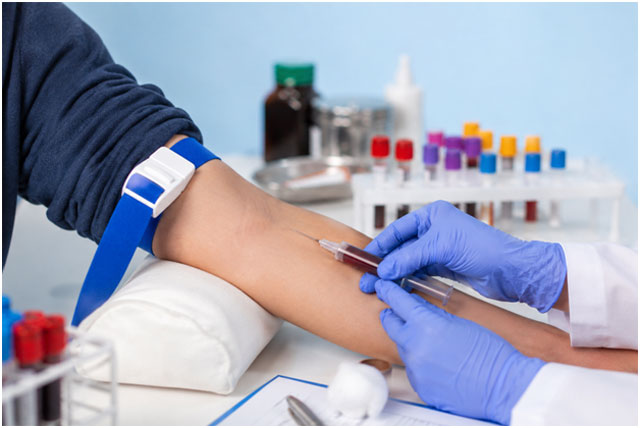
- A trained phlebotomist draws a blood sample from a vein in the arm
- The sample is transported to the laboratory under controlled conditions
- Antibody levels are measured using slide or tube agglutination methods
- Results are usually reported within a day, as antibody titres such as 1:80, 1:160 or 1:320
No specific preparation is generally needed, apart from sharing the information above.
Understanding the Results
Interpretation depends on the antibody titres and the timing of the infection. General guidelines include:
- O antibody titre of 1:160 or higher: Suggests active typhoid infection
- H antibody titre of 1:160 or higher: May reflect past infection, vaccination or active infection
- Fourfold rise between paired samples: Strongly supports active infection
A single result should always be read alongside clinical symptoms and, where possible, blood culture, which remains the gold standard for confirming typhoid.
Choosing a Reliable Diagnostic Partner
Accurate typhoid testing depends on careful sample handling, laboratory technique and clear reporting. Many NABL-accredited diagnostic laboratories offer Widal testing, blood culture and other fever-related investigations. Among them, Lupin Diagnostics offers Widal, blood culture and broader fever-workup tests across India through its National Accreditation Board for Testing and Calibration Laboratories (NABL) accredited labs, with free home sample collection available in major cities.
Final Thoughts
The Widal test remains a widely used tool in the evaluation of possible typhoid fever, particularly in primary care settings across India. Sensible preparation, correct timing and truthful sharing of medications and vaccinations help ensure the results are interpreted appropriately in the context of symptoms and other investigations. Anyone with prolonged fever or suspected typhoid should consult a physician about appropriate testing, follow the guidance offered and avoid self-treatment while awaiting results.