Daijiworld Media Network - Islamabad
Islamabad, Aug 10: Unsafe injections, inadequately screened blood, poor sterilisation practices and weak regulation are contributing to rising HIV cases and a high prevalence of Hepatitis C in Pakistan, exposing deep deficiencies in the country's healthcare system, according to a media report.
The Pakistan Economic Survey 2025-26 puts public health expenditure at just 0.8 per cent of GDP in the country of more than 250 million people, indicating the priority given to healthcare by the state, Dr Naazir Mahmood, Dean of the Faculty of Liberal Arts at a private university in Karachi, wrote in The News International.
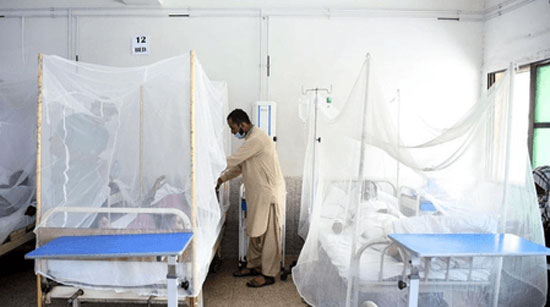
She noted that while new HIV infections have fallen substantially worldwide since 2010, Pakistan has one of the fastest-growing HIV epidemics in the WHO Eastern Mediterranean region.
Pakistan also carries what she described as the "world's highest HCV burden", with unsafe injections, poorly screened blood, inadequate sterilisation and weak regulation linking the spread of blood-borne infections.
Dr Mahmood said Pakistan had previously introduced regulations, programmes, committees and crackdowns, but the bigger challenge was implementation.
"The difficulty lies less in discovering what ought to be done than in ensuring that somebody actually does it," she wrote.
She said the situation was particularly visible in Sindh, where medical excellence and public-health failures coexist.
"I have spent much of my life in Karachi and what strikes me is the extraordinary coexistence of medical excellence and public-health failure," she wrote.
According to Dr Mahmood, Karachi has highly qualified doctors, sophisticated private hospitals and specialists capable of providing treatment comparable to international standards. However, she said conditions were markedly different outside the areas accessible to affluent sections of society.
In poorer districts, people face overcrowded healthcare facilities, shortages, unregulated practitioners, unsafe water and sanitation problems, she said, adding that these conditions can turn ordinary illnesses into recurring health hazards.
"This is why health inequality cannot be understood merely by counting hospitals," she wrote.
Dr Mahmood also identified food insecurity, poor sanitation, inadequate breastfeeding, deficient diets, frequent infections, poverty and limited access to primary healthcare as major factors behind the country's deteriorating health indicators.
"A malnourished child is therefore not simply evidence of an empty kitchen. The child may also be evidence of a broken water system, an absent health worker, an undereducated mother and a dysfunctional local government," she wrote.
She said some infrastructure needed to improve healthcare already exists, citing Pakistan's Lady Health Worker programme as an example.
However, she stressed that effective implementation would require safe syringes and properly screened blood, functional primary healthcare facilities, adequately funded Lady Health Workers, clean drinking water, sewerage systems and nutrition programmes.
She also called for stronger vaccination, family planning and breastfeeding support.
"Above all, it needs data that cannot be hidden, regulators who actually regulate and officials who face consequences when systems fail," Dr Mahmood wrote.