Rons Bantwal
Daijiworld Media Network – Bantwal
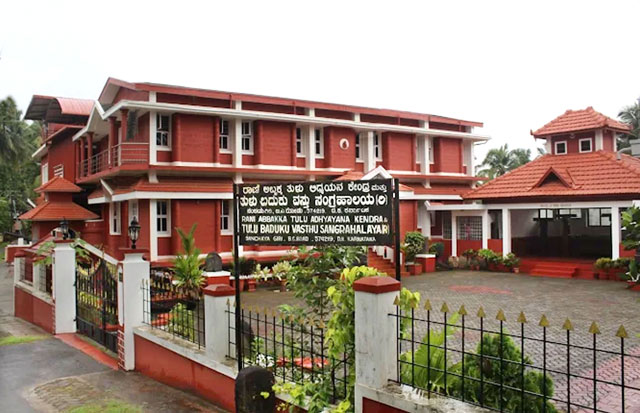
Bantwal, Aug 5: A special seminar on the theme ‘The Vanishing Food Culture of Tulu Nadu’ will be held at the Rani Abbakka Tulu Museum and Study Centre, Sanchayagiri, B C Road, on Sunday, August 9, from 9.30 am to 5.30 pm. The event is being organised jointly by the Rani Abbakka Tulu Museum and Study Centre and the India Foundation for the Arts (IFA), with support from Tata Trusts.
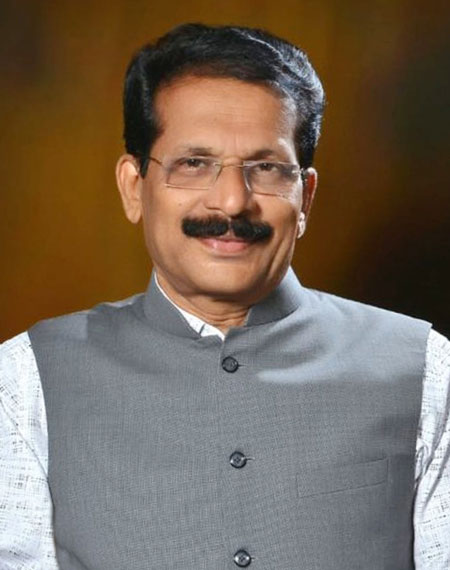
Announcing the programme, Prof Dr Tukaram Poojary, founder and chief innovation thinker of the Rani Abbakka Tulu Museum and Study Centre, said the seminar aims to document and preserve Tulu Nadu's rapidly disappearing food traditions and cultural practices.
Food has been an integral part of human life since the earliest stages of civilisation. According to researchers who have studied human evolution, the search for food transformed humans from hunter-gatherers into settled agricultural societies. As civilisations evolved, food production, trade and cultural exchanges led to the development of diverse culinary traditions. India is home to a rich variety of food cultures, with every region possessing its own unique cuisine. Blessed with the Western Ghats, the Arabian Sea, six months of monsoon and numerous rivers, Tulu Nadu has traditionally cultivated paddy three times a year, making rice its staple food.
Over time, however, the region's traditional food habits have undergone significant changes due to migration by various communities, the influence of the Portuguese and the British, land reforms, and the growth of modern bakeries, hotels and packaged food culture.
To overcome food shortages during the Tulu month of Karkataka (Aati), local communities developed the practice of preserving fruits and vegetables during summer and preparing nutritious dishes using local greens and wild plants. The organisers said the seminar is not merely a food festival but an effort to present the history of food, its relationship with the environment and culture, traditional cooking utensils and indigenous health knowledge in a comprehensive manner.
The programme forms part of the archives and museums project being implemented by the India Foundation for the Arts under the concept developed by Aravind K. The project seeks to document the agricultural practices, food culture and traditional cooking utensils of the Tulu community through the everyday artefacts preserved at the Rani Abbakka Tulu Museum.
For the past three decades, the Rani Abbakka Tulu Museum and Study Centre has been documenting and preserving the history, culture and lifestyle of Tulu Nadu through everyday objects. The institution is the dream project of its founder, Dr Tukaram Poojary.
The inaugural session will begin at 9.30 am and will be attended by Menaka Rodrigues, executive director of the India Foundation for the Arts, and Dr Tukaram Poojary, founder of the Rani Abbakka Tulu Museum and Study Centre. At 10 am, Prof B Shivarama Shetty, retired professor of the Kannada Study Centre at Mangalore University, will deliver the keynote address.
The first session, beginning at 11 am, will focus on ‘Tulu society and food culture’. It will discuss the uniqueness of Tulu Nadu's food traditions, local food preservation methods, agriculture and conservation practices. Rajashree T Rai Perla, writer and researcher from the Kasargod border region, will speak on Tulu food traditions, while Sudarshan Bhat Bedradi, a food expert who runs a popular YouTube cooking channel, will introduce participants to traditional cooking methods and regional culinary diversity.
The second session, scheduled for 2 pm, will explore 'The importance of cooking utensils in Tulu Culture.' The discussion will cover traditional clay pots, metal utensils and ceramic jars used for storing pickles, along with their cultural significance. Visual artist, culinary expert and antique collector Purushothama Adve will deliver the lecture.
The third session, beginning at 3.30 pm, will focus on ‘Food and health in the modern era’. It will examine the relationship between changing lifestyles, nutrition, seasonal and locally available food, and the health benefits of traditional dietary practices. Dr Supreeth J Lobo, professor in the department of Shalya Tantra at Prasanna Ayurvedic Medical College, Beltangady, and a noted Ayurveda physician, will deliver the lecture.
The Rani Abbakka Tulu Museum and Study Centre, known for its Rani Abbakka Art Gallery and Tulu Heritage Museum, is the country's only ethnographic museum dedicated exclusively to Tulu culture. What began as the personal collection of Dr Tukaram Poojary has grown into a major research centre housing thousands of rare artefacts reflecting the history, culture and lifestyle of the Tulu people.
The India Foundation for the Arts is an independent, non-profit organisation established in 1993 that implements projects across the fields of art, culture, research, education, archives and museums. The organisation also promotes research and cultural documentation in Indian languages.
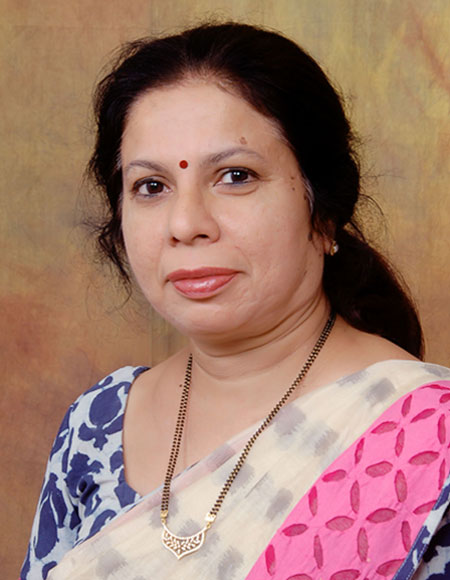
Dr Ashalatha Suvarna, secretary and chief innovation leader of the Rani Abbakka Tulu Museum and Study Centre, said the project, conceptualised by Aravind K and implemented jointly by the India Foundation for the Arts and the Rani Abbakka Tulu Museum and Study Centre with financial support from Tata Trusts, is a significant cultural initiative aimed at preserving the rich heritage of Tulu Nadu.