Daijiworld Media Network – New Delhi
New Delhi, Jul 30: While stress is often blamed for delayed or irregular menstrual cycles, health experts caution that it may not always be the underlying cause. Persistent changes in menstrual patterns could indicate hormonal, metabolic or reproductive disorders that require medical attention.
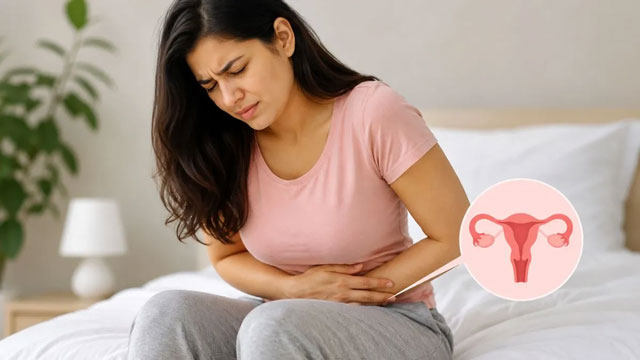
Doctors say irregular, unusually heavy or painful periods should not be ignored, as they may be linked to conditions such as polycystic ovary syndrome (PCOS), thyroid disorders, fibroids, adenomyosis or other uterine abnormalities.
Dr Priya Darshni, Obstetrician and Gynaecologist at Plush Chennai, said menstrual irregularities can result from a variety of factors, including hormonal imbalances, metabolic conditions and reproductive health issues. She noted that while stress can affect hormone regulation and influence the menstrual cycle, it should not automatically be considered the sole reason for irregular periods.
According to experts, doctors first assess a woman's age and menstrual history while evaluating irregular cycles. Women below 18 years and those above 45 years may experience menstrual changes due to different physiological reasons, including hormonal fluctuations associated with menopause.
Medical experts advise women to seek evaluation if they experience excessive bleeding, severe menstrual pain or sudden changes in their menstrual cycle. Heavy bleeding that requires changing sanitary protection every one or two hours, especially when accompanied by large blood clots, may lead to anaemia if left untreated.
Doctors also look for symptoms associated with PCOS, including excessive facial or body hair, acne, rapid weight gain and missed or irregular periods. Pelvic pain or the presence of abdominal lumps may indicate fibroids, adenomyosis or ovarian disorders.
Apart from stress, lifestyle and hormonal factors such as thyroid disorders, obesity, rapid weight changes, poor sleep, smoking, alcohol consumption and uncontrolled blood sugar levels can also affect menstrual health.
For women of reproductive age, pregnancy, recent childbirth and breastfeeding history are also considered during diagnosis, as these factors can temporarily influence menstrual cycles.
Experts said diagnosis usually involves a detailed medical history, physical examination and investigations such as haemoglobin, thyroid function, blood sugar and pregnancy tests, along with pelvic ultrasound. Additional imaging such as MRI may be recommended if structural abnormalities are detected.
Doctors emphasised that while occasional menstrual changes are common, persistent irregularity, heavy bleeding, severe pain or symptoms such as unexplained weight changes, excessive hair growth, acne or pelvic discomfort warrant consultation with a gynaecologist for timely diagnosis and treatment.