Daijiworld Media Network - Tehran
Tehran, May 27: Iran’s deputy secretary of the Supreme National Security Council, Ali Baqeri, has stated that discussions regarding the country’s enriched uranium reserves are not part of the ongoing negotiations with the United States.
Speaking to reporters on the sidelines of the First International Security Forum in Moscow, Baqeri said the issue of Iran’s uranium stockpile “is not on the agenda of the talks” currently taking place between Tehran and Washington.
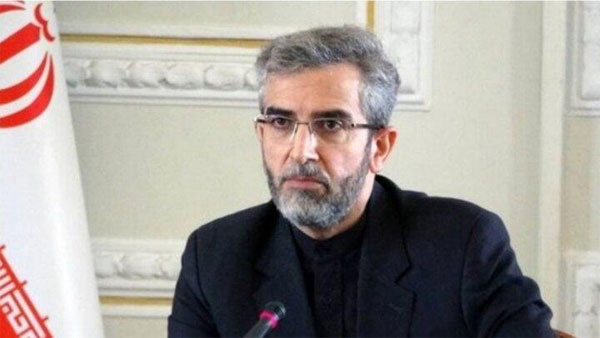
According to reports carried by Iran’s Tasnim News Agency citing Russian media outlet RIA Novosti, Baqeri also confirmed that Iran and the US have not yet reached any final understanding regarding the reopening and security arrangements surrounding the strategically important Strait of Hormuz.
Commenting on negotiations related to maritime transit in the Gulf region, he said, “Until we agree on all issues, we consider that we have not agreed on anything.”
Baqeri added that indirect communication channels between Iran and the United States remain active, although he did not disclose details about the format, location, or mediators involved in the talks.
His remarks come amid heightened diplomatic activity following months of rising tensions involving Iran, the United States, and Israel, particularly around the Persian Gulf and the Strait of Hormuz — one of the world’s most critical oil shipping routes.
Earlier this week, Iranian Foreign Ministry spokesperson Esmaeil Baqaei said that progress had been made on several issues under discussion with the US, though no fixed timeline has been established for reaching a final agreement.
Addressing a press conference on Monday, Baqaei noted that while substantial discussions had taken place, the political environment in Washington remained inconsistent and complicated the negotiation process.
He pointed to internal divisions within the United States, including political disagreements, congressional opposition, resignations, and shifting public opinion, which he said were affecting decision-making in Washington.
Baqaei also criticised what he described as contradictory US positions within short periods of time, arguing that such inconsistencies create uncertainty during diplomatic engagements.
Regarding reports suggesting a 60-day framework for discussions, he clarified that the period was intended for examining details related to a proposed memorandum and broader issues linked to ending the ongoing conflict. He stressed that Iran is not currently engaged in detailed negotiations over its nuclear programme.
According to Baqaei, the proposed 14-article memorandum under discussion is primarily focused on de-escalation and ending hostilities rather than addressing technical nuclear matters at this stage.
The ongoing indirect talks are being closely watched internationally as regional tensions continue to impact global energy markets and maritime security in the Gulf region.