Daijiworld Media Network - Washington
Washington, Apr 5: The United States is overhauling its global medical aid delivery system for diseases such as HIV and malaria, a move that experts warn could disrupt life-saving supplies in several low-income countries.
The shift affects the long-running Global Health Supply Chain Program, which has delivered over $5 billion worth of medicines and health products to nearly 90 countries since 2016, largely across sub-Saharan Africa and Asia. The programme has been operated by contractor Chemonics.
The system had already faced disruption when former US President Donald Trump froze international aid at the start of his term, leaving critical supplies stranded. Though some deliveries resumed later under waivers, uncertainty has persisted.
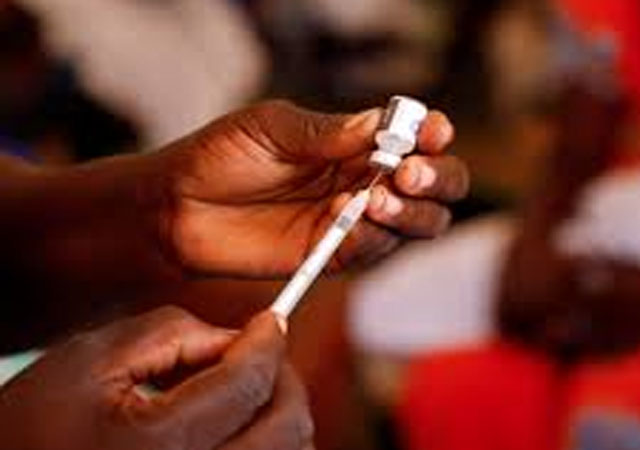
Now, the US administration is restructuring foreign aid by moving away from contractor-led operations and towards direct agreements with individual countries, while also dismantling the USAID and reducing budgets.
According to sources, US officials have been asked to wind down the existing supply programme in several countries by May-end, raising concerns about shortages of essential medicines, including HIV drugs and malaria prevention tools.
Discussions are reportedly underway with the Global Fund to Fight AIDS, Tuberculosis and Malaria to potentially take over procurement and distribution. However, experts warn that the accelerated timeline could create gaps, as delivering medical supplies to remote regions often takes months.
Officials acknowledged that a rushed transition could pose “immediate risks to service continuity,” though no detailed transition plan has been outlined so far.
Under its “America First” health strategy, the US aims to prioritise direct funding to countries and reduce reliance on contractors, citing inefficiencies in the existing system. Agreements have already been signed with multiple nations, including Kenya, Rwanda and Uganda.
However, recent disruptions have already led to reported shortages of malaria medicines and gaps in HIV prevention programmes in some regions, highlighting the risks associated with the transition.