Daijiworld Media Network - Riyadh
Riyadh, Mar 2: Saudi Arabia has formally summoned Iran’s ambassador Alireza Enayati in Riyadh over what it described as a series of Iranian attacks targeting its territory and neighbouring Gulf states, signalling a sharp escalation in regional tensions linked to the ongoing US–Israel war on Iran.
The Kingdom’s Ministry of Foreign Affairs condemned the assaults as blatant violations of national sovereignty and warned it would take all necessary measures to safeguard its security and territorial integrity.
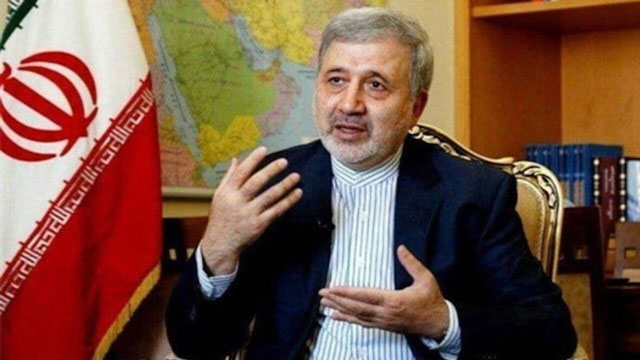
In a strong diplomatic rebuke, Deputy Foreign Minister Waleed Al-Khuraiji conveyed Riyadh’s firm rejection of Tehran’s actions, which Saudi Arabia said targeted the Riyadh and Eastern Province regions but were successfully repelled.
In an official statement, the ministry said the Kingdom “expressed its strongest condemnation of the blatant and cowardly Iranian attacks” and affirmed that it reserves the right to respond to what it termed unjustified aggression.
The crisis follows Iranian retaliatory drone and missile strikes across parts of the Gulf after high-intensity military operations by the United States and Israel inside Iran, including reported attacks on senior Iranian leaders and strategic installations. Iranian counter-strikes have extended beyond Israel and US bases to Gulf Arab states, prompting heightened alerts in Bahrain, Kuwait, the UAE and Saudi Arabia.
Saudi Arabia reiterated that it “categorically rejects any violation of state sovereignty that undermines regional security and stability” and expressed solidarity with fellow Gulf states that have also protested Iranian actions.
Several members of the Gulf Cooperation Council, including Kuwait and Qatar, have summoned Iranian diplomats to lodge formal protests, reflecting growing coordination among Gulf nations in response to perceived Iranian aggression.
Reports indicate that GCC foreign ministers are preparing for an emergency meeting amid the intensifying US–Iran confrontation, underscoring collective diplomatic efforts to address escalating threats.
The developments come against the backdrop of rapidly widening hostilities triggered by coordinated US and Israeli strikes on Iranian military and leadership targets, followed by Tehran’s missile and drone retaliation across the Arabian Peninsula. The exchanges have led to civilian casualties, airspace disruptions and temporary closures of critical infrastructure across the region.
Saudi Arabia’s latest move highlights mounting alarm over the spill-over of the conflict and fears of a broader regional war engulfing Gulf states.