Daijiworld Media Network – New Delhi
New Delhi, Jan 18: Vaccination against the Human Papillomavirus (HPV) along with improved access to DNA-based screening is crucial to eliminate cervical cancer in India, senior officials from the Union Health Ministry said on Saturday.
The remarks were made at India’s first national summit organised by the All India Institute of Medical Sciences (AIIMS) to accelerate the country’s cervical cancer elimination agenda.
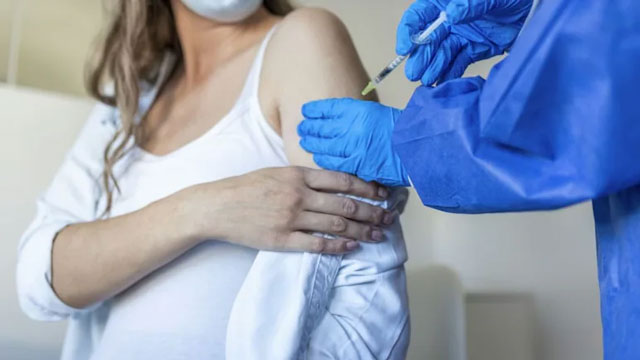
Addressing the gathering, Aradhana Patnaik, Additional Secretary and Managing Director, National Health Mission (NHM), Ministry of Health and Family Welfare, reaffirmed the government’s firm commitment to eliminating cervical cancer as a public health concern. She said cervical cancer elimination is an achievable goal for India, provided prevention, screening and treatment efforts are accelerated in a coordinated manner.
Patnaik said the government is focused on rapidly expanding HPV vaccination and strengthening screening mechanisms at all levels, especially through high-performance methods such as HPV DNA testing, to ensure timely diagnosis and treatment for every woman. With stronger systems, clear operational protocols and sustained partnerships across states and stakeholders, she said India can safeguard the health of millions of women.
NITI Aayog Member (Health) Prof Dr V.K. Paul said India has a historic opportunity to eliminate cervical cancer, but stressed that it would require speed, scale and system-wide alignment. Emphasising evidence-based implementation, he said pilot projects must be initiated to demonstrate how HPV DNA-based screening and self-sampling can be scaled up, particularly at the primary healthcare level, to help build a robust national model.
Organised by the Departments of Radiation Oncology, Surgical Oncology, and Onco-Anaesthesia and Palliative Medicine at DRBRAIRCH, AIIMS, the summit focused on three key pillars — scaling up HPV vaccination, strengthening screening through HPV DNA testing, and ensuring effective cancer care and follow-up. Discussions also covered self-sampling methods, uniform national standard operating procedures, hub-and-spoke care models, and streamlined treatment pathways to ensure equitable care across the country.
Dr Abhishek Shankar, Assistant Professor, Department of Radiation Oncology at AIIMS, said cervical cancer can no longer be addressed in isolation and that collaboration between government bodies, clinicians, innovators and patient advocates is essential to accelerate prevention, early detection and treatment.
The summit brought together more than 500 participants, including representatives from AIIMS campuses, state health departments, cancer institutes, the WHO, UNICEF, ICMR, civil society organisations and industry partners. It concluded with a National Call to Action outlining priority steps to fast-track India’s roadmap towards eliminating cervical cancer.