Daijiworld Media Network – New Delhi
New Delhi, Jan 13: Coal-based power generation declined simultaneously in both China and India in 2025 for the first time in over five decades, following record additions of clean energy capacity in the world’s two most populous nations, a new analysis by Carbon Brief has revealed.
According to the report, electricity generation from coal fell by 3.0 per cent in India, amounting to a reduction of 57 terawatt hours (TWh), while China recorded a 1.6 per cent drop, or 58 TWh, year-on-year. The last time both countries witnessed a decline in coal power output in the same year was in 1973, during the global oil crisis.
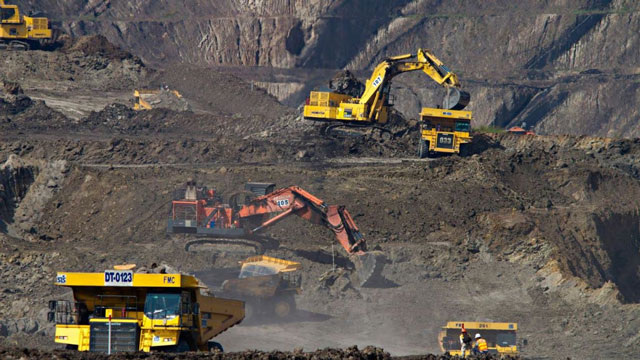
The analysis noted that the decline in 2025 signals a potential turning point, as both countries added record levels of clean power capacity last year—enough to meet rising electricity demand without increasing coal use. Together, China and India have been responsible for 93 per cent of the growth in global carbon dioxide emissions from 2015 to 2024, making the shift particularly significant for global climate goals.
In China, coal power fell despite electricity demand growing by around five per cent, driven by massive expansion in renewable and nuclear energy. The country is estimated to have added more than 300 gigawatts (GW) of solar power and over 100 GW of wind power in 2025, setting global records. Solar and wind generation rose by 450 TWh in the first 11 months of the year, while nuclear power added another 35 TWh, surpassing overall demand growth.
India’s decline in coal-fired power generation was attributed to a combination of accelerated clean-energy growth, slower demand growth due to milder weather, and a longer-term slowdown in electricity consumption. Clean energy growth accounted for 44 per cent of the reduction in coal and gas use, while milder weather and weaker demand growth contributed 36 per cent and 20 per cent, respectively.
India added around 35 GW of solar, 6 GW of wind and 3.5 GW of hydropower capacity in the first 11 months of 2025, with renewable capacity additions rising 44 per cent year-on-year. Power generation from non-fossil sources increased by 71 TWh, while total power generation rose by only 21 TWh, leading to a reduction in coal and gas-based output.
However, the report cautioned that clean-energy growth in India remains below the average annual demand growth seen between 2019 and 2024, indicating that faster expansion is needed for a sustained decline in coal power. Achieving the government’s target of 500 GW of non-fossil fuel capacity by 2030, announced by Prime Minister Narendra Modi in 2021, would be crucial in this regard.
While the trends mark a historic moment, analysts warned of challenges ahead. Both countries continue to add new coal-fired power capacity to meet peak demand, leading to lower utilisation rates and potential financial stress for power producers. If all under-construction and approved coal projects are completed, coal capacity would rise by 28 per cent in China and 23 per cent in India.
Despite these hurdles, the report said the twin decline in coal power and record clean-energy growth in China and India could help bring global emissions closer to a peak, given the outsized role of their power sectors in driving worldwide carbon output.